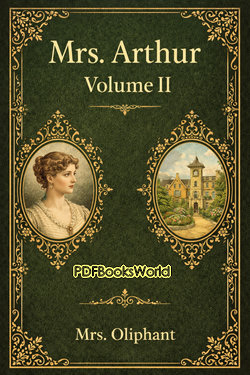
Mrs. Arthur (Vol. 2 of 3)
by Mrs. Oliphant
A Victorian Continuation of Love, Reputation, and Social Conflict
Mrs. Arthur (Vol. 2) by Mrs. Oliphant continues the emotionally nuanced Victorian story introduced in the first volume, further exploring the complex relationships, class tensions, and personal struggles shaping the lives of Arthur Curtis, Nancy Bates, and those around them. Margaret Oliphant deepens the psychological and social conflicts while maintaining her characteristic realism and careful observation of domestic life.
The second volume develops the emotional consequences of earlier choices and misunderstandings, examining how love and social expectation collide within the restrictive structures of Victorian society. Family pressure, reputation, and emotional uncertainty continue to influence the characters’ futures.
The work blends domestic realism with emotional and social drama.
Relationships Tested by Society and Circumstance
Arthur Curtis continues to struggle between personal affection and the expectations attached to his social position. His relationship with Nancy Bates faces increasing scrutiny as differences in class and social standing become more difficult to ignore.
Nancy Bates: A sympathetic and emotionally intelligent figure whose warmth and sincerity contrast with the rigid judgments of fashionable society.
The narrative likely introduces new emotional complications, shifting loyalties, and family interventions that intensify uncertainty surrounding marriage, status, and personal happiness.
The atmosphere balances emotional restraint with growing dramatic tension.
The Psychological Realism of Mrs. Oliphant
Mrs. Oliphant writes with subtle psychological insight and remarkable sensitivity toward ordinary domestic experience. Her storytelling emphasizes realistic dialogue, emotional hesitation, and the quiet influence of social convention upon private life.
The prose reflects Victorian realism while maintaining warmth, intelligence, and understated humor.
Oliphant’s ability to portray emotional conflict through everyday interaction gives the novel authenticity and literary depth.
Main Themes and Emotional Reflection
The novel explores themes of class distinction, reputation, emotional sacrifice, family influence, marriage, social pressure, personal dignity, and the conflict between love and convention.
Through conversations, misunderstandings, and emotional tension, the narrative examines how Victorian social structures shape individual freedom and emotional fulfillment.
Why the Novel Still Holds Appeal
Mrs. Arthur (Vol. 2) remains engaging because readers continue to appreciate Victorian fiction grounded in emotional realism and social observation. Oliphant’s nuanced treatment of family dynamics and class relationships gives the novel lasting literary value.
Readers interested in domestic fiction often admire her ability to create emotional complexity through subtle interaction rather than dramatic spectacle.
Its thoughtful characterization and social realism continue to make the story rewarding.
The Lasting Importance of Margaret Oliphant
Margaret Oliphant became one of the most respected women writers of Victorian Britain through her novels, literary criticism, biographies, and historical works. Her fiction frequently explored middle-class domestic life, women’s experiences, and the emotional pressures created by social convention.
Although sometimes overshadowed by other Victorian novelists, modern readers increasingly recognize her skill in portraying psychological and social complexity.
The continuing interest in Victorian women’s writing helps preserve appreciation for works like this.
Final Thoughts
Mrs. Arthur (Vol. 2) by Mrs. Oliphant is a thoughtful continuation of a richly observed Victorian story about love, class, family, and emotional conflict. Through realistic characterization and subtle social insight, Oliphant creates a compelling portrait of individuals struggling to reconcile personal feeling with the demands of society.
For readers interested in Victorian domestic fiction, social realism, and psychologically nuanced storytelling, this work remains both engaging and historically significant.
Similar Genres
About the Author
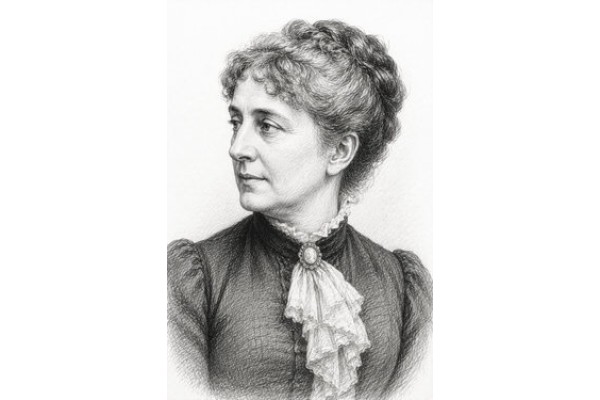
Mrs. Oliphant, the literary name of Margaret Oliphant Wilson Oliphant, was one of the Victorian era's most accomplished and prolific authors. Born in Scotland in 1828, she produced an extraordinary body of work that included novels, biographies, historical studies, literary criticism, and short stories. Explore Mrs. Oliphant books to discover the author's life, literary career, and access notable works, including Merkland or Self Sacrifice, He that will not when he may - Vol. I, He that will not when he may - Vol. II, He that will not when he may - Vol. III , and more.