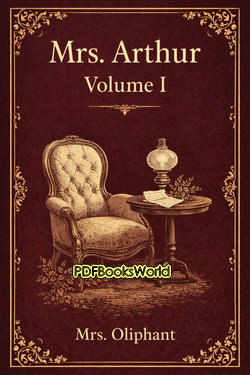
Mrs. Arthur (Vol. 1 of 3)
by Mrs. Oliphant
A Victorian Novel of Love, Class, and Social Expectation
Mrs. Arthur (Vol. 1) by Mrs. Oliphant, the literary name of Margaret Oliphant, is a thoughtful Victorian novel exploring romance, family dynamics, class distinctions, and the emotional pressures created by social expectation. First published in 1877, the story reflects many of the themes that made Oliphant one of the most respected and prolific novelists of nineteenth-century Britain.
The novel introduces readers to a world where affection and personal choice are often complicated by differences in social position, family opinion, and public reputation. Through domestic conversation and carefully observed relationships, Oliphant examines how individuals struggle between emotional sincerity and societal pressure.
The work blends domestic realism with psychological and social observation.
Arthur Curtis, Nancy Bates, and Social Tension
The story centers on Arthur Curtis, the son of a baronet, and Nancy Bates, the daughter of a modest tax collector. Their relationship immediately raises questions about class compatibility and the expectations imposed by Victorian society.
The opening scenes introduce the lively Bates household, where warmth, humor, and ordinary domestic life contrast sharply with Arthur’s more refined and socially privileged background. This contrast creates emotional tension as Arthur attempts to reconcile personal affection with the attitudes of his social class.
The arrival of Arthur’s friend, Lewis Durant, further intensifies uncertainty about the future of the relationship and the reactions of those around them.
The Literary Style of Mrs. Oliphant
Mrs. Oliphant writes in an intelligent and observant style marked by subtle humor, realistic dialogue, and careful psychological insight. Her fiction frequently focused on domestic life, middle-class society, and the emotional pressures surrounding marriage and social reputation.
The prose combines warmth and realism while quietly revealing deeper emotional conflicts beneath ordinary social interaction.
Oliphant’s skill in portraying family life and social nuance gives the novel emotional authenticity and literary depth.
Main Themes and Social Reflection
The novel explores themes of love, class division, family loyalty, marriage, social ambition, emotional restraint, reputation, and personal independence. It also reflects Victorian concerns about status and the difficulties faced by relationships crossing social boundaries.
Through domestic situations and emotional conflict, the narrative examines how social systems shape personal happiness and individual choice.
Why the Novel Still Holds Appeal
Mrs. Arthur remains engaging because readers continue to appreciate Victorian fiction that combines emotional realism with detailed social observation. Oliphant’s nuanced portrayal of family relationships and class tension gives the story enduring literary interest.
Readers interested in nineteenth-century domestic fiction often admire Oliphant’s ability to present serious emotional questions through natural conversation and everyday life.
Its combination of realism, emotional complexity, and social insight continues to make the novel rewarding.
The Lasting Importance of Mrs. Oliphant
Margaret Oliphant became one of the most important and productive British novelists of the Victorian era, publishing dozens of novels along with biographies, essays, and historical works. Her fiction frequently explored middle-class domestic life, women’s experiences, and social change within Victorian society.
Works such as Miss Marjoribanks and Phoebe Junior helped establish her reputation for social realism and psychological insight.
The continuing interest in Victorian women writers and domestic realism helps preserve appreciation for works like this.
Final Thoughts
Mrs. Arthur (Vol. 1) by Mrs. Oliphant is a perceptive and emotionally engaging Victorian novel exploring class, love, family, and the pressures of social expectation. Through realistic dialogue and thoughtful characterization, Oliphant creates a rich portrait of personal relationships shaped by the complexities of nineteenth-century society.
For readers interested in Victorian literature, domestic realism, and psychologically observant social fiction, this work remains both historically valuable and emotionally compelling.
Similar Genres
About the Author
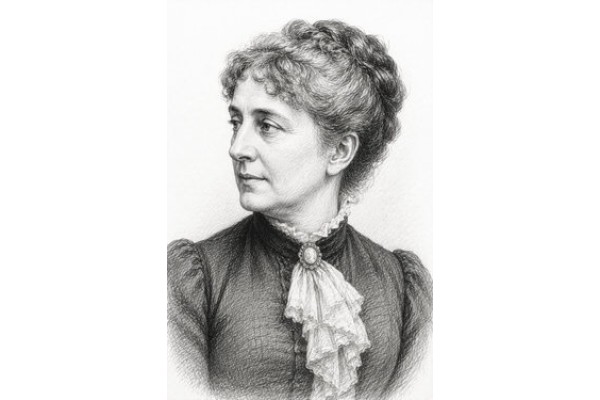
Mrs. Oliphant, the literary name of Margaret Oliphant Wilson Oliphant, was one of the Victorian era's most accomplished and prolific authors. Born in Scotland in 1828, she produced an extraordinary body of work that included novels, biographies, historical studies, literary criticism, and short stories. Explore Mrs. Oliphant books to discover the author's life, literary career, and access notable works, including Merkland or Self Sacrifice, He that will not when he may - Vol. I, He that will not when he may - Vol. II, He that will not when he may - Vol. III , and more.