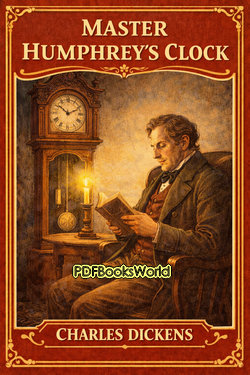
Master Humphrey's Clock
by Charles Dickens
A Storytelling Club Built Around Memory, Mystery, and the Passing of Time
Master Humphrey's Clock by Charles Dickens is unlike a traditional novel with one clear plot and a single central conflict. Instead, it works as a collection of connected stories, reflections, and serialized narratives shared through the figure of Master Humphrey, an elderly storyteller surrounded by books, papers, and memories.
The work blends fiction, conversation, sketch writing, and emotional observation into a literary framework that allowed Dickens to experiment with different styles and characters. It also became the original publication home for famous works such as The Old Curiosity Shop and Barnaby Rudge.
Because of this unusual structure, the book feels part storytelling circle, part literary magazine, and part reflection on human life itself.
Master Humphrey Serves as Guide and Observer
The central figure, Master Humphrey, is less an action-driven hero and more a thoughtful narrator who introduces stories, observations, and conversations. Through him, Dickens creates the feeling of readers gathering together to hear tales shared beside a fire during quiet evenings.
Humphrey’s old clock becomes an important symbol throughout the work. It quietly represents memory, aging, reflection, and the passage of time.
The atmosphere surrounding the character often feels:
- Reflective and nostalgic
- Quietly emotional
- Curious about ordinary lives
- Interested in hidden human stories
This tone gives the collection a personal and intimate quality.
Stories and Characters Constantly Shift
Unlike a single continuous narrative, Master Humphrey's Clock moves between different episodes, voices, and emotional moods. Some sections focus on mystery or suspense, while others explore humor, tragedy, or social observation.
The collection introduces:
Lonely and Unusual Individuals
Dickens fills the pages with eccentric personalities carrying emotional histories and private struggles.
Scenes of Victorian Life
Urban streets, quiet homes, marketplaces, and public spaces all appear throughout the narratives.
Stories Within Stories
Characters often become storytellers themselves, adding layers to the overall structure.
This shifting style keeps the reading experience unpredictable and varied.
The Work Reveals Dickens Experimenting as a Writer
The book captures Dickens during a period of creative experimentation. Rather than relying only on tightly structured novels, he explores serialized storytelling and interconnected narrative forms.
Readers can observe him testing:
- Different narrative voices
- Serialized suspense techniques
- Emotional storytelling styles
- Comic and tragic contrasts
- Direct engagement with readers
These experiments later influenced the structure and pacing of many Victorian serialized novels.
The Themes Often Focus on Time and Human Experience
Even though the stories vary greatly, several emotional ideas appear repeatedly throughout the collection.
Memory and Reflection
Many characters look backward at lost opportunities, forgotten relationships, or earlier stages of life.
The Passage of Time
The clock itself quietly reminds readers that human lives constantly change and move forward.
Loneliness and Connection
Characters frequently seek companionship, understanding, or emotional comfort.
These recurring themes help unite the otherwise diverse collection.
The Writing Balances Warmth, Humor, and Melancholy
Dickens moves naturally between comic scenes and emotional reflection. One moment may involve lively conversation or eccentric humor, while the next introduces sadness, regret, or loneliness.
This emotional flexibility became one of Dickens’ greatest literary strengths. Even short sketches and conversations often feel emotionally vivid because of his attention to personality and atmosphere.
The storytelling voice also creates the sense that readers are listening directly to an experienced narrator sharing memories late into the evening.
A Fascinating Window Into Dickens’ Creative World
Master Humphrey's Clock remains valuable because it reveals Charles Dickens experimenting with storytelling in a freer and more flexible way than many of his standalone novels. The collection combines reflection, serialized fiction, social observation, and emotional storytelling into a literary world shaped by memory and imagination.
Readers interested in Victorian literature, narrative experimentation, and Dickens’ development as a writer may find the work especially rewarding. Beneath its shifting stories and quiet atmosphere lies a thoughtful exploration of time, storytelling, and human experience.
About the Author
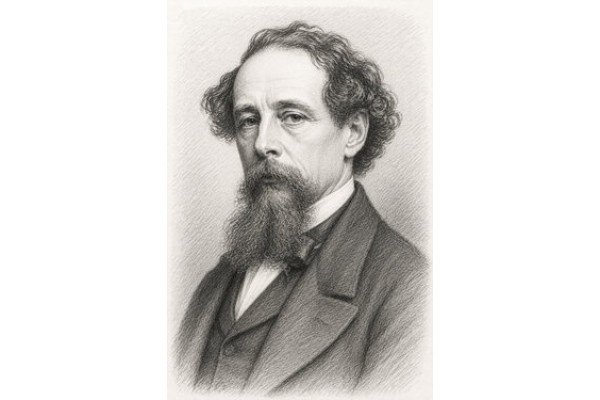
Charles Dickens transformed the Victorian novel into a powerful reflection of everyday life, giving a voice to the poor, the forgotten, and the disadvantaged. Born in Portsmouth, England, in 1812, he experienced financial hardship during his childhood, an experience that deeply influenced his writing. Explore Charles Dickens books to discover the author's life, literary career, and access notable works, including A Tale of Two Cities, Great Expectations, A Christmas Carol, Oliver Twist , and more.