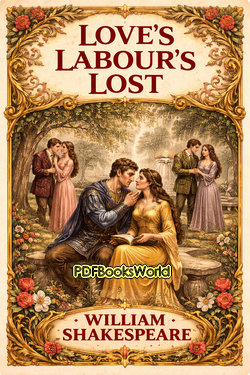
Love's Labour's Lost
by William Shakespeare
A Clever Comedy of Romance, Wit, and Broken Promises
Love's Labour's Lost by William Shakespeare is one of Shakespeare’s most intellectual and playful comedies, filled with witty dialogue, romantic confusion, wordplay, and satire. The play explores the conflict between serious ambition and human desire as a group of noblemen attempt to reject love and pleasure in favor of study and self-discipline.
Through lively conversations and comic misunderstandings, Shakespeare examines how easily pride, idealism, and carefully made plans can collapse when confronted by attraction and emotional reality.
A Promise to Reject Romance
The story begins when the King of Navarre and his three companions swear an oath to devote themselves entirely to scholarship and intellectual life for three years. They promise to avoid distractions, luxury, and especially the company of women.
Almost immediately, however, their plan becomes impossible when the Princess of France arrives with her intelligent and charming companions on a diplomatic mission.
The men quickly fall in love, creating comic conflict between their public promises and private emotions.
Love Creates Comic Confusion
As the noblemen attempt to hide or deny their feelings, misunderstandings, secret letters, disguises, and humorous embarrassment follow. Shakespeare satirizes romantic behavior while also celebrating the emotional power of attraction and companionship.
The women, equally intelligent and witty, often outmatch the men in conversation and emotional awareness.
Characters
- The King of Navarre – A nobleman attempting to balance intellectual ambition with romantic desire
- Berowne – A witty and skeptical lord whose intelligence cannot protect him from love
- The Princess of France – A clever and confident royal visitor
- Rosaline – A sharp and intelligent woman engaging in witty exchanges with Berowne
- Don Armado – A comically dramatic nobleman contributing humor and exaggerated romance
The lively interactions among these characters create the play’s sparkling humor and emotional charm.
Themes
- The conflict between intellect and emotion
- The unpredictability and power of love
- The limitations of pride and unrealistic ambition
- The performance of courtship and romantic behavior
- The relationship between language, wit, and human connection
These themes give the comedy both intellectual playfulness and emotional depth.
William Shakespeare’s Brilliant Wordplay
The play is famous for its sophisticated language, puns, poetic speeches, and rapid exchanges of wit. Shakespeare uses language itself as a source of comedy, creating humor through exaggeration, misunderstanding, and verbal competition.
The dialogue rewards careful reading because of its cleverness and linguistic creativity.
A Comedy With an Unusual Ending
Unlike many of Shakespeare’s romantic comedies, Love's Labour's Lost does not end with immediate marriages or joyful celebration. Unexpected events interrupt the romantic plans, forcing the characters to confront reality and emotional maturity.
This bittersweet ending gives the play unusual emotional complexity and distinguishes it from lighter comedies.
Why Love's Labour's Lost Continues to Fascinate Audiences
Love's Labour's Lost remains admired because of its wit, intellectual humor, and playful examination of romance and human behavior. Shakespeare combines comedy with thoughtful reflection on ambition, language, and emotional sincerity.
For readers and audiences interested in sophisticated comedy, poetic dialogue, and classic romantic drama, the play offers a lively and intelligent exploration of love, pride, and the limits of human self-control.
Similar Genres
About the Author
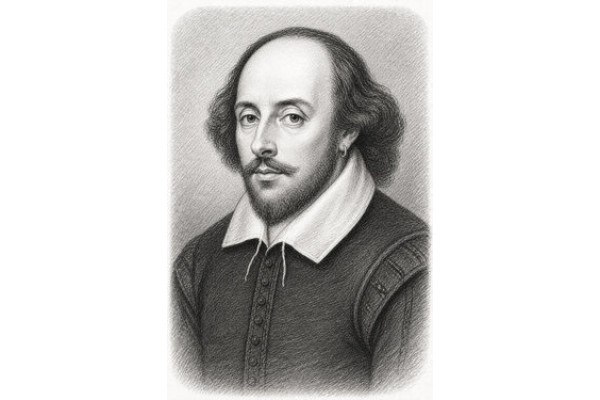
William Shakespeare is widely regarded as the greatest playwright in the English language and one of the most influential writers in world literature. Born in Stratford-upon-Avon in 1564, he transformed the stage with works that explored love, ambition, jealousy, power, revenge, and the enduring complexities of human nature. Explore William Shakespeare books to discover the author's life, literary career, and access notable works, including Romeo and Juliet, Hamlet, Macbeth, The Tempest , and more.