In colonial days
by Nathaniel Hawthorne
A Simple Look at Life in Early America
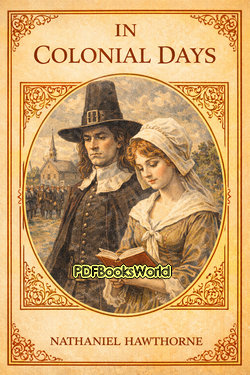
In Colonial Days by Nathaniel Hawthorne gives readers a glimpse into life during America’s colonial period. Through historical storytelling and descriptive writing, the book explores the customs, beliefs, and daily experiences of people living before the United States became an independent nation.
Hawthorne presents colonial America as a world shaped by strict traditions, religious influence, hard work, and strong community life. The book mixes history with storytelling, helping readers imagine what everyday life was like during this important period.
Life During the Colonial Period
The book explores the social and cultural atmosphere of early American settlements. Readers learn about simple living conditions, public behavior, family life, and the rules that shaped colonial society.
Hawthorne also pays attention to the emotional side of history. Instead of only discussing events and dates, he focuses on how people thought, feared, hoped, and interacted with one another.
The colonial world described in the book often feels serious and disciplined, but it also contains moments of curiosity, human warmth, and quiet reflection.
The Storytelling Style of Nathaniel Hawthorne
Nathaniel Hawthorne writes in a calm and descriptive style that combines history with literary storytelling. His language creates a strong sense of atmosphere, helping readers picture old towns, homes, streets, and public gatherings.
The writing feels thoughtful and reflective, with attention given to both historical detail and human emotion. Hawthorne often explores moral questions and the influence of society on individual lives.
Even though the subject is historical, the storytelling remains engaging and easy to follow for modern readers.
Main Ideas Found in the Book
- Daily life in colonial America
- The influence of religion and tradition
- Community values and social rules
- Human emotions and moral struggles
Why the Book Still Interests Readers
In Colonial Days remains valuable because it helps readers better understand early American history through storytelling instead of dry historical facts alone. Readers interested in colonial America often enjoy the book’s detailed atmosphere and human perspective.
The work also reflects Hawthorne’s interest in the past and his ability to connect history with emotional and moral themes. His writing helps make the colonial period feel alive and personal.
Its blend of history and literature continues to make the book enjoyable for readers interested in America’s early years.
Final Thoughts
In Colonial Days by Nathaniel Hawthorne is a thoughtful and engaging look at life in early America. Through descriptive storytelling and historical reflection, the book captures the traditions, struggles, and values that shaped colonial society.
For readers interested in American history and classic historical writing, this work remains both informative and enjoyable.
Similar Genres
About the Author
Nathaniel Hawthorne occupies a distinguished place in American literature for his masterful exploration of morality, guilt, and the complexities of human nature. Born in Salem, Massachusetts, in 1804, he drew inspiration from New England's colonial history and Puritan heritage, transforming historical settings into timeless works of fiction. Explore Nathaniel Hawthorne books to discover the author's life, literary career, and access notable works, including The Scarlet Letter, Mosses from an Old Manse and Other Stories, The House of the Seven Gables, The New Adam and Eve (From "Mosses from an Old Manse") , and more.