Icarus:The Future of Science
by Bertrand Russell
Can Scientific Progress Create a Better Future?
Icarus: The Future of Science by Bertrand Russell is a thought-provoking examination of the opportunities and dangers created by scientific advancement. Written in response to growing optimism about technology and modern research, the book explores how scientific discoveries can transform society. Russell argues that while science has the power to improve human life, it also presents risks when technological progress outpaces wisdom, ethics, and social responsibility.
A Philosophical Look at Scientific Advancement
During the early twentieth century, scientific breakthroughs were rapidly changing the world. Advances in medicine, industry, transportation, and communication created widespread confidence in humanity's ability to solve problems through science. Russell recognized these achievements but questioned whether technological progress alone could guarantee a better future.
Through clear and logical analysis, he encourages readers to think critically about how scientific knowledge is applied and who controls its use.
The Meaning Behind the Title
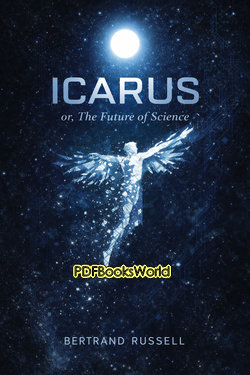
The title references Icarus, the figure from Greek mythology who flew too close to the sun despite warnings about the dangers of overconfidence. Russell uses this symbol to suggest that humanity must be careful not to become blinded by its own technological achievements.
The comparison highlights a central message of the book: knowledge is powerful, but it must be guided by wisdom and responsibility if it is to benefit society.
Key Ideas Discussed in the Book
- Scientific Progress: The remarkable ability of science to improve living conditions.
- Ethical Responsibility: The need to consider the consequences of technological developments.
- Political Power: How governments and institutions may use scientific discoveries.
- Social Change: The impact of innovation on everyday life and human relationships.
- The Future: Questions about the direction of civilization in an age of rapid advancement.
Bertrand Russell's Perspective
As one of the twentieth century's most influential philosophers, Bertrand Russell combined intellectual rigor with a deep concern for humanity's future. He believed that scientific knowledge should serve human welfare rather than merely increase power or efficiency.
In this work, Russell examines both the benefits and potential dangers of modern science, presenting a balanced discussion that remains relevant to contemporary debates about technology and society.
A Warning Against Blind Optimism
One of the book's most important themes is the idea that scientific advancement does not automatically lead to moral progress. While technology can provide new capabilities, it cannot by itself determine how those capabilities will be used.
Russell warns that societies must develop ethical frameworks and responsible institutions to ensure that scientific discoveries contribute positively to human life rather than creating new forms of conflict or inequality.
Why the Book Remains Relevant Today
Many of the questions Russell raised continue to resonate in the modern world. Developments in artificial intelligence, biotechnology, energy, and communication have renewed discussions about the relationship between innovation and responsibility. Readers may be surprised by how many of his concerns remain applicable nearly a century after the book was written.
The work encourages thoughtful consideration of how humanity can benefit from scientific progress while avoiding its potential dangers.
A Timeless Reflection on Science and Human Responsibility
Icarus: The Future of Science is more than a discussion of technology; it is a philosophical exploration of how knowledge shapes civilization. Through careful analysis and insightful argument, Bertrand Russell challenges readers to think about the ethical dimensions of progress and the responsibilities that accompany scientific power. The book remains an important and engaging contribution to discussions about the future of science and society.
Similar Genres
About the Author

Bertrand Russell was one of the twentieth century's most influential philosophers, mathematicians, and public intellectuals. Born in Wales in 1872, he devoted his life to the pursuit of knowledge, using clear reasoning and careful analysis to examine some of humanity's most important questions. Explore Bertrand Russell books to discover the author's life, literary career, and access notable works, including Mysticism and Logic and Other Essays, The Problems of Philosophy, The Analysis of Mind, Proposed Roads to Freedom , and more.