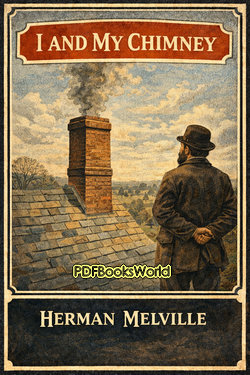
I and My Chimney
by Herman Melville
A Giant Chimney Becomes the Center of Domestic War and Personal Identity
I and My Chimney by Herman Melville is a strange, humorous, and symbolic short story about attachment, change, family conflict, and stubborn individuality. What begins as a seemingly simple tale about an enormous old chimney gradually transforms into a deeper meditation on tradition, personal identity, and resistance to modern progress.
Melville combines satire, domestic comedy, and symbolism in a story where architecture itself becomes emotionally alive and psychologically meaningful.
A Man Defends His Beloved Chimney
The narrator lives in an old country house dominated by a massive central chimney that he admires with almost obsessive devotion. To him, the chimney represents permanence, dignity, strength, and the character of the past itself.
His wife and daughter, however, view it very differently.
They see the giant structure as inconvenient, outdated, and wastefully oversized. Their desire to modernize the home and reduce the chimney’s importance creates an increasingly comic but emotionally revealing domestic conflict.
The narrator refuses to surrender, treating the chimney almost like a trusted companion under attack.
The Small Household at the Center of the Story
- The Narrator
A stubborn and eccentric man emotionally attached to the traditions represented by his chimney. - The Wife and Daughter
Practical and modern-minded figures seeking comfort, efficiency, and change. - The Chimney
More than a physical object, it becomes a symbol of memory, individuality, and resistance.
Melville transforms this domestic disagreement into a playful struggle between competing visions of life and progress.
A Symbol Larger Than a Building
The chimney quickly becomes the story’s symbolic heart. For the narrator, it represents continuity with the past and resistance against a world increasingly focused on convenience, modernization, and social conformity.
Its enormous size and immovable presence mirror the narrator’s own stubborn personality.
Melville humorously exaggerates the narrator’s devotion while also treating it sympathetically. Beneath the comedy lies genuine anxiety about cultural change and the disappearance of older ways of living.
Major Themes Running Through the Story
- Tradition Versus Modernization
The story explores resistance to social and domestic change. - Identity and Possession
The narrator’s emotional attachment to the chimney reflects his sense of self. - Domestic Conflict and Generational Difference
Family tensions emerge from competing values and priorities. - Humor and Satire
Melville uses exaggeration and irony to examine human stubbornness and emotional attachment.
One of Melville’s Most Eccentric Stories
I and My Chimney stands apart from Melville’s darker sea novels and philosophical epics because of its playful domestic setting and comic tone. Yet beneath the humor remain familiar Melville concerns involving individuality, resistance, and emotional obsession.
The story’s exaggerated style gives it almost the feeling of a tall tale or symbolic fable. The chimney itself grows larger and more mythic as the narrator describes it with increasing admiration.
This blend of comedy and symbolism makes the story uniquely memorable.
Why the Story Still Feels Fresh Today
Modern readers continue enjoying I and My Chimney because its themes remain surprisingly relatable. Many people understand emotional attachment to homes, traditions, objects, or ways of life threatened by modernization and practicality.
The story also feels modern in its humor and psychological insight. Melville recognizes how deeply personal identity can become connected to physical spaces and possessions.
For readers interested in literary satire, symbolic fiction, and unusual American classics, this story remains witty, eccentric, and delightfully original.
Similar Genres
About the Author

Herman Melville stands among the greatest voices in American literature, celebrated for novels that combine thrilling adventures with profound reflections on humanity, nature, and destiny. Born in New York City in 1819, Melville spent several years at sea, experiences that became the foundation of many of his most memorable works. Explore Herman Melville books to discover the author's life, literary career, and access notable works, including Moby Dick or The Whale, Israel Potter - His Fifty Years of Exile, John Marr and Other Sailors, Mardi - and A Voyage Thither, Vol. II , and more.