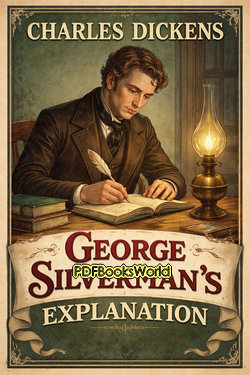
George Silverman's Explanation
by Charles Dickens
A Quiet Man Finally Tells the Story He Has Kept Hidden for Years
George Silverman’s Explanation by Charles Dickens is one of the author’s most reflective and emotionally restrained works. Told as a personal confession, the novella follows George Silverman as he explains the difficult experiences, emotional sacrifices, and painful misunderstandings that shaped his life.
Unlike Dickens’ louder comic stories or large social novels, this narrative feels deeply intimate and inward-looking. The emotional tension comes not from dramatic action, but from silence, loneliness, and the narrator’s struggle to explain himself honestly.
The story moves gently and thoughtfully, allowing emotion to build through memory and reflection.
A Childhood Shaped by Hardship and Isolation
George Silverman grows up under severe poverty and emotional hardship. From an early age, he experiences loneliness, strict control, and a lack of ordinary affection.
Despite these difficulties, he remains intelligent, sensitive, and eager for education. Opportunities eventually allow him to improve his circumstances, but the emotional effects of his childhood continue shaping his personality long afterward.
His quiet and self-sacrificing nature becomes both a strength and a source of future pain.
The Narrative Feels Personal and Confessional
The novella is written almost entirely as George speaking directly to the reader. This first-person style creates a strong sense of emotional closeness.
Gentle Self-Reflection
George examines his own decisions carefully and often with painful honesty.
Emotional Restraint
Rather than dramatic outbursts, the story relies on subtle sadness and quiet disappointment.
The Need to Be Understood
The “explanation” itself reflects George’s desire to clarify actions others may have misunderstood.
This reflective tone gives the novella unusual emotional depth.
Love and Sacrifice Become Central Themes
As George enters adulthood, relationships and emotional attachment begin playing a larger role in his life. However, his deeply selfless nature leads him to place the happiness of others above his own desires.
The story quietly explores:
- Unspoken emotional suffering
- The fear of causing harm to others
- Personal sacrifice in the name of love
- The loneliness created by emotional restraint
- The lasting influence of early hardship
These themes create emotional tension without relying on large external conflict.
Dickens Focuses on Inner Emotion Rather Than Social Spectacle
Many Dickens novels are filled with crowded cities, comic side characters, and energetic public scenes. In contrast, George Silverman’s Explanation remains small in scale and strongly psychological.
The emotional focus stays centered on:
Memory and Reflection
Past experiences continue influencing George’s present emotional life.
Personal Isolation
The narrator often feels emotionally separated even when surrounded by others.
Moral Sensitivity
George worries deeply about right and wrong, often at personal cost.
This quieter approach makes the novella feel especially intimate.
The Writing Style Is Calm but Emotionally Powerful
Dickens avoids exaggerated melodrama here and instead allows emotion to emerge gradually through thoughtful narration and understated scenes. The calm tone actually strengthens the sadness because readers sense how much feeling George keeps hidden beneath his controlled words.
The pacing remains measured and reflective, creating a mood shaped by memory, regret, and emotional sincerity.
This restrained style gives the novella a mature and contemplative atmosphere.
A Thoughtful Dickens Story About Loneliness and Human Goodness
George Silverman’s Explanation remains memorable because it explores emotional suffering with unusual gentleness and honesty. Charles Dickens creates a narrator whose kindness and sensitivity make his loneliness especially moving.
Readers interested in psychological Victorian fiction and character-driven storytelling may find the novella deeply affecting. Beneath its quiet surface lies a powerful meditation on sacrifice, misunderstanding, and the human need to be understood with compassion.
Similar Genres
About the Author
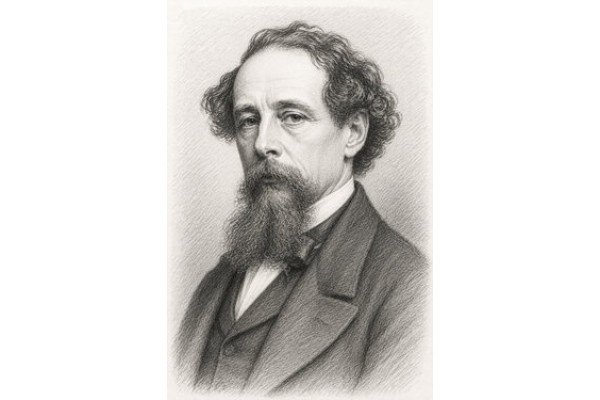
Charles Dickens transformed the Victorian novel into a powerful reflection of everyday life, giving a voice to the poor, the forgotten, and the disadvantaged. Born in Portsmouth, England, in 1812, he experienced financial hardship during his childhood, an experience that deeply influenced his writing. Explore Charles Dickens books to discover the author's life, literary career, and access notable works, including A Tale of Two Cities, Great Expectations, A Christmas Carol, Oliver Twist , and more.