Free Thought and Official Propaganda
by Bertrand Russell
Independent Thinking Versus Political and Social Control
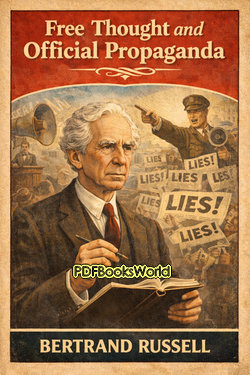
Free Thought and Official Propaganda by Bertrand Russell is a powerful philosophical and political essay defending intellectual freedom against the pressures of governments, institutions, nationalism, organized opinion, and social conformity. Written during a period of growing political tension and mass communication, the work examines how propaganda and authority shape public belief while discouraging independent reasoning.
Russell argues passionately that free inquiry and critical thought are essential for both individual dignity and healthy democratic society.
A Defense of Intellectual Independence
The essay explores how official institutions often attempt to influence or control public opinion through education, media, patriotism, religion, and political messaging.
Russell warns that societies encouraging unquestioning obedience become vulnerable to manipulation, intolerance, and authoritarian power.
He believes many people accept prevailing beliefs not because those ideas are true, but because social pressure discourages disagreement and rewards conformity.
The work repeatedly emphasizes the importance of skepticism, evidence, open debate, and the willingness to challenge accepted assumptions.
Russell presents free thought not as selfish rebellion, but as a moral and intellectual responsibility.
The Forces Examined Within the Essay
- Official Propaganda: Governments and institutions shape opinion through emotional influence, fear, and repetition.
- Free Thought: Independent reasoning and skepticism become necessary defenses against manipulation.
- Education and Public Opinion: Russell questions systems teaching obedience rather than critical inquiry.
- Nationalism and Social Conformity: Collective identity can suppress intellectual freedom and encourage intolerance.
Russell consistently evaluates political and cultural systems according to whether they encourage truth or mere obedience.
The Courage to Question Authority
One of the essay’s strongest ideas is that intellectual freedom requires personal courage because societies often punish dissent and reward conformity. Russell argues that genuine progress depends upon individuals willing to question dominant beliefs and examine evidence independently.
He views propaganda as especially dangerous because it appeals to emotion and tribal loyalty rather than rational thought.
The essay also reflects Russell’s broader humanistic philosophy emphasizing curiosity, honesty, and intellectual humility.
Without free inquiry, he believes democratic society becomes vulnerable to fear and manipulation.
Major Themes Running Through the Essay
- Freedom of Thought and Expression: Independent inquiry remains essential for truth and human dignity.
- Propaganda and Social Manipulation: Institutions often shape opinion through emotional pressure and repetition.
- Education and Critical Reasoning: Healthy societies encourage skepticism, evidence, and intellectual openness.
- Authority and Conformity: Russell warns against systems discouraging dissent and individuality.
Russell’s Clear and Fearless Intellectual Style
Free Thought and Official Propaganda demonstrates Bertrand Russell’s remarkable ability to communicate complex political and philosophical ideas with clarity and direct moral urgency. His writing remains logical, accessible, and deeply principled.
Russell avoids unnecessary abstraction and instead focuses on real social and political dangers threatening intellectual freedom.
The essay’s concise structure gives its arguments unusual force and readability.
Why the Essay Still Feels Strikingly Relevant
Modern readers continue finding Free Thought and Official Propaganda highly relevant because its concerns remain central in the age of mass media, political polarization, misinformation, and digital influence.
Russell’s warnings about manipulation through nationalism, institutional messaging, and emotional persuasion continue resonating across modern democracies and global politics.
For readers interested in political philosophy, media criticism, free speech, education, and the defense of intellectual independence, this work remains sharp, courageous, and profoundly thought-provoking.
Similar Genres
About the Author
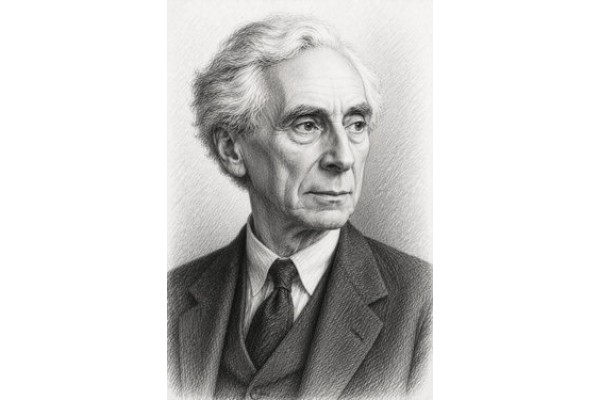
Bertrand Russell was one of the twentieth century's most influential philosophers, mathematicians, and public intellectuals. Born in Wales in 1872, he devoted his life to the pursuit of knowledge, using clear reasoning and careful analysis to examine some of humanity's most important questions. Explore Bertrand Russell books to discover the author's life, literary career, and access notable works, including Mysticism and Logic and Other Essays, The Problems of Philosophy, The Analysis of Mind, Proposed Roads to Freedom , and more.