Feeding the Mind
by Lewis Carroll
Lewis Carroll’s Reflections on Learning, Thought, and Intellectual Growth
Feeding the Mind by Lewis Carroll is a thoughtful and engaging essay exploring the importance of education, mental discipline, and the careful development of intellectual habits. Although brief, the work reveals Carroll’s deep interest in logic, learning, and the responsible use of knowledge.
Using clear examples and approachable language, Carroll compares the mind to the body, suggesting that just as physical health depends upon proper nourishment, intellectual health depends upon thoughtful and disciplined mental activity.
The Mind as Something That Requires Care
Carroll argues that people should not fill their minds carelessly with random or unhealthy material. Instead, intellectual development requires selection, balance, patience, and regular exercise.
He emphasizes the importance of reading attentively, thinking critically, and forming habits that strengthen understanding rather than weaken it.
The essay encourages readers to approach knowledge actively rather than passively.
For Carroll, education is not simply the accumulation of information, but the cultivation of clear reasoning and thoughtful judgment.
The Intellectual Habits Carroll Encourages
- Careful Reading
Readers should engage thoughtfully with ideas rather than absorbing information mechanically. - Logical Thinking
Clear reasoning helps protect the mind from confusion and error. - Mental Discipline
The mind grows stronger through regular intellectual effort and reflection. - Selective Learning
Not every idea deserves equal attention or acceptance.
Carroll treats intellectual life as something requiring both curiosity and responsibility.
Education Beyond Memorization
One of the essay’s most enduring ideas is that true education involves learning how to think rather than merely storing facts. Carroll warns against intellectual laziness and superficial understanding.
He encourages readers to test ideas carefully, examine assumptions, and remain mentally active. Knowledge without reflection, he suggests, can become shallow or misleading.
The essay therefore promotes education as a lifelong process of mental cultivation.
Major Themes Running Through the Essay
- The Importance of Intellectual Discipline
Mental growth requires attention, effort, and careful habits. - Critical Thinking and Logic
Reasoning helps individuals navigate complex ideas responsibly. - The Quality of Mental Nourishment
Ideas shape the mind much like food shapes the body. - Curiosity and Lifelong Learning
Education should remain active and continuous throughout life.
Lewis Carroll’s Educational Philosophy
Feeding the Mind reflects Carroll’s lifelong connection to mathematics, logic, and teaching. Beneath his playful literary imagination existed a serious commitment to intellectual clarity and disciplined thought.
The essay’s tone remains encouraging rather than severe. Carroll writes as someone genuinely interested in helping readers develop healthier and more thoughtful relationships with knowledge.
His ability to explain serious ideas simply gives the essay lasting accessibility.
Why the Essay Still Matters Today
Modern readers continue finding Feeding the Mind relevant because its concerns feel especially important in an age of constant information and distraction.
Questions involving critical thinking, attention, intellectual responsibility, and the quality of information people consume remain central to modern education and communication.
For readers interested in learning, logic, education, and reflective essays about intellectual life, this work remains insightful, practical, and surprisingly modern.
Similar Genres
About the Author
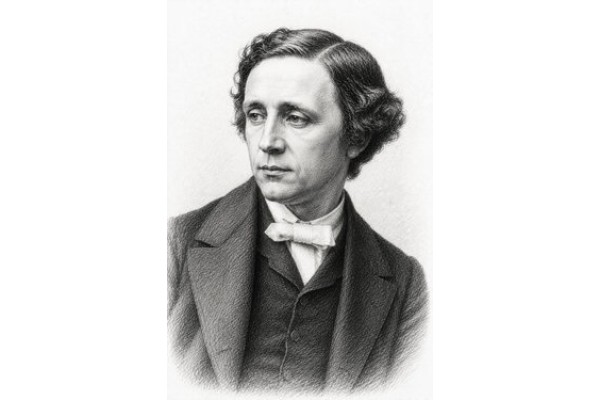
Lewis Carroll, the pen name of Charles Lutwidge Dodgson, created some of the most imaginative and enduring works in children's literature. Born in England in 1832, he was a mathematician, lecturer, photographer, and gifted storyteller whose boundless creativity continues to enchant readers of all ages. Explore Lewis Carroll books to discover the author's life, literary career, and access notable works, including Sylvie and Bruno, Alice Adventures in Wonderland, A Tangled Tale, Phantasmagoria and Other Poems , and more.