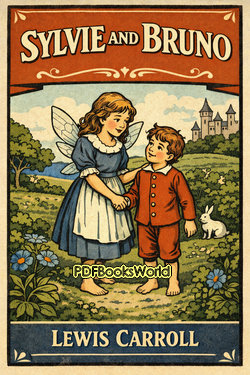
Sylvie and Bruno
by Lewis Carroll
A Dreamlike Blend of Fantasy, Philosophy, and Emotional Reflection
Sylvie and Bruno by Lewis Carroll is one of the author’s most unusual and ambitious works, combining fairy tale fantasy, social satire, philosophical reflection, romance, and dreamlike shifts between reality and imagination. Unlike the tightly playful structure of the Alice books, this novel moves through overlapping worlds where humor, emotion, and intellectual speculation exist side by side.
The result is a strange and richly imaginative narrative filled with innocence, absurdity, sentiment, and moments of surprising seriousness.
Two Worlds Intertwined
The novel alternates between an ordinary Victorian social world and a magical fairy realm inhabited by the childlike siblings Sylvie and Bruno. These two dimensions frequently overlap and merge, creating a fluid dreamlike atmosphere where transitions between reality and fantasy occur almost without warning.
In the realistic storyline, the narrator encounters romantic tensions, political satire, and social commentary involving aristocratic families and complicated emotional relationships.
Meanwhile, within the fairy world, Sylvie and Bruno experience whimsical adventures filled with strange creatures, comic misunderstandings, and playful logic.
Carroll gradually connects both worlds through themes of innocence, morality, affection, and imagination.
The Figures Guiding the Reader Through Fantasy and Reality
- Sylvie
A gentle and affectionate child embodying innocence, kindness, and emotional sincerity. - Bruno
A playful and mischievous young boy whose curiosity creates humor and wonder. - The Narrator
A reflective observer moving between ordinary life and dreamlike fantasy. - The Adults of the Realistic World
Characters involved in romance, politics, ambition, and emotional conflict.
The contrast between childlike innocence and adult complexity shapes much of the novel’s emotional atmosphere.
Fantasy Used for Reflection and Satire
Although filled with fairy-tale elements and nonsense humor, Sylvie and Bruno also explores serious ideas involving morality, religion, society, love, and the nature of reality itself.
Carroll frequently interrupts the narrative with philosophical discussions, satirical observations, and emotional reflections unusual for children’s fantasy literature.
The dreamlike structure allows him to move freely between comedy, tenderness, and intellectual speculation.
The novel often feels less like a traditional plot-driven story and more like a wandering exploration of imagination and human feeling.
Major Themes Running Through the Novel
- Innocence and Childhood
Sylvie and Bruno represent emotional purity and imaginative freedom. - Reality and Dream
The novel constantly blurs boundaries between ordinary life and fantasy. - Love and Emotional Longing
Adult relationships are portrayed with both sincerity and melancholy. - Social Satire and Moral Reflection
Carroll gently critiques vanity, ambition, and social convention.
Lewis Carroll’s Most Ambitious Fiction
Sylvie and Bruno differs greatly from Carroll’s more famous works because of its emotional seriousness and philosophical complexity. While still containing playful wordplay and absurd humor, the novel also reveals a deeply reflective and sentimental side of the author.
The shifting narrative style and dreamlike structure make the work challenging but uniquely imaginative. Carroll experiments freely with tone, symbolism, and emotional atmosphere.
The result feels strange, intimate, and unlike almost anything else in Victorian fantasy literature.
Why the Novel Continues to Intrigue Readers
Modern readers often find Sylvie and Bruno fascinating because of its unusual mixture of fantasy, philosophy, satire, and emotional introspection. The novel anticipates later literary experiments involving fragmented narrative and blurred reality.
It also remains compelling for its emotional contrast between childlike innocence and adult uncertainty.
For readers interested in dreamlike fantasy, Victorian imagination, philosophical fiction, and literary experimentation, this novel remains curious, ambitious, and deeply distinctive.
Similar Genres
About the Author
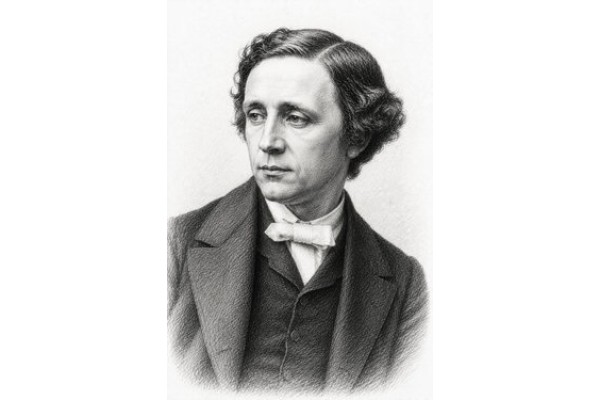
Lewis Carroll, the pen name of Charles Lutwidge Dodgson, created some of the most imaginative and enduring works in children's literature. Born in England in 1832, he was a mathematician, lecturer, photographer, and gifted storyteller whose boundless creativity continues to enchant readers of all ages. Explore Lewis Carroll books to discover the author's life, literary career, and access notable works, including Alice Adventures in Wonderland, A Tangled Tale, Phantasmagoria and Other Poems, Through the Looking Glass , and more.