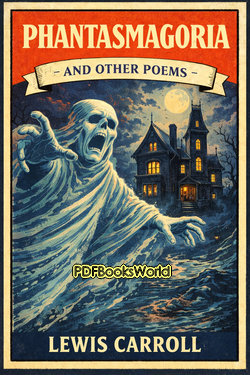
Phantasmagoria and Other Poems
by Lewis Carroll
Ghosts, Wordplay, and Imaginative Nonsense in Carroll’s Curious Poetry
Phantasmagoria and Other Poems by Lewis Carroll is a playful and imaginative collection blending humor, fantasy, parody, nonsense, and subtle satire. Best known for the long comic poem “Phantasmagoria,” the volume showcases Carroll’s remarkable talent for turning ordinary situations into strange and entertaining encounters filled with clever language and absurd logic.
The collection moves easily between lighthearted comedy and moments of dreamlike mystery, revealing the same inventive spirit that shaped the Alice books.
A Gentleman Meets a Ghost
The title poem, “Phantasmagoria”, centers on a humorous conversation between a narrator and a ghost who unexpectedly appears in his home. Rather than behaving like a terrifying supernatural creature, the ghost proves polite, anxious, talkative, and oddly concerned with proper ghostly etiquette.
As the conversation continues, Carroll transforms traditional ghost-story elements into comic misunderstandings and playful social satire.
The supernatural becomes less frightening than delightfully absurd.
Through witty dialogue and imaginative detail, the poem gently mocks social manners, fear, and conventional ideas about ghosts themselves.
The Curious Worlds Inside the Collection
- Ghosts and Supernatural Figures
Presented humorously rather than terrifyingly, often behaving with human awkwardness. - Playful Narrators
Voices reacting to bizarre situations with exaggerated seriousness and comic confusion. - Invented Situations and Absurd Encounters
Scenes where ordinary logic gives way to imaginative nonsense and verbal play. - Parodies and Comic Verses
Poems gently satirizing manners, education, literature, and social expectations.
Carroll repeatedly transforms familiar subjects into strange and entertaining experiences.
Humor Built Through Language and Logic
One of the collection’s greatest pleasures lies in Carroll’s mastery of language. He delights in puns, reversals, exaggerated logic, invented rules, and playful contradictions.
Many poems create comedy by treating ridiculous ideas with complete seriousness. This mock-formality allows absurd situations to feel strangely believable within the poem’s imaginative world.
Carroll’s humor often depends upon the tension between logical structure and irrational content.
Major Themes Running Through the Poems
- Imagination and Fantasy
The poems celebrate playful creativity and imaginative freedom. - Logic Turned Upside Down
Carroll uses formal reasoning to produce comic absurdity. - Social Satire
Many verses gently mock manners, customs, and intellectual pretensions. - The Comic Side of Fear
Ghosts and supernatural subjects become sources of amusement rather than terror.
Lewis Carroll’s Delight in Verbal Play
Phantasmagoria and Other Poems reveals Carroll’s extraordinary ability to combine precision with nonsense. His poems often follow strict rhythms and carefully organized structures even while describing impossible or ridiculous situations.
This contrast between order and absurdity gives the collection much of its charm.
The work also demonstrates Carroll’s broad range beyond children’s fantasy alone. Beneath the humor lies sophisticated linguistic creativity and subtle intellectual playfulness.
Why the Collection Still Entertains Readers
Modern readers continue enjoying Phantasmagoria and Other Poems because its humor remains inventive, imaginative, and delightfully unpredictable. Carroll’s playful treatment of language continues influencing fantasy, comedy, and nonsense literature today.
The collection also feels surprisingly modern in its surreal humor and self-aware absurdity.
For readers interested in comic poetry, literary nonsense, fantasy, and imaginative wordplay, this collection remains charming, witty, and endlessly enjoyable.
Similar Genres
About the Author
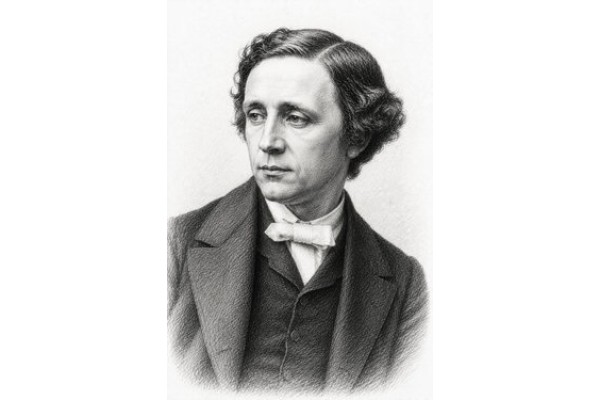
Lewis Carroll, the pen name of Charles Lutwidge Dodgson, created some of the most imaginative and enduring works in children's literature. Born in England in 1832, he was a mathematician, lecturer, photographer, and gifted storyteller whose boundless creativity continues to enchant readers of all ages. Explore Lewis Carroll books to discover the author's life, literary career, and access notable works, including Sylvie and Bruno, Alice Adventures in Wonderland, A Tangled Tale, Through the Looking Glass , and more.