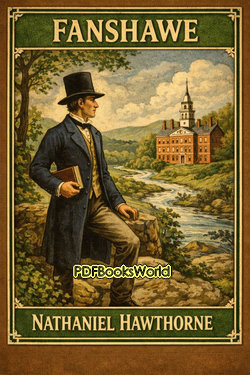
Fanshawe
by Nathaniel Hawthorne
A Dark Early Novel of Love, Isolation, and Emotional Conflict
Fanshawe by Nathaniel Hawthorne is the author’s first published novel, combining gothic atmosphere, romantic tension, intellectual isolation, and psychological reflection within an academic setting. Though written early in Hawthorne’s career, the novel already reveals many themes that would later define his major works, including emotional secrecy, loneliness, moral conflict, and the dangers of withdrawing from ordinary human life.
The story blends romance, suspense, and introspection in a way that feels both youthful and unmistakably Hawthornian.
An Isolated Scholar Becomes Drawn Into Emotional Turmoil
The novel centers on Fanshawe, a brilliant but physically frail young scholar living within a secluded college environment. Deeply intellectual and emotionally reserved, he has devoted himself almost entirely to study and contemplation rather than ordinary social life.
His quiet existence changes when Ellen Langton, a sensitive and intelligent young woman, arrives within the academic community.
Fanshawe develops strong feelings for her but struggles with emotional self-doubt, physical weakness, and his inability to participate naturally in ordinary human relationships.
Complications intensify through rivalry, secrecy, and moments of danger that gradually pull the characters toward emotional and moral crisis.
The Central Figures Within the Novel
- Fanshawe
A gifted but isolated scholar whose intellectual life separates him from emotional fulfillment. - Ellen Langton
A thoughtful young woman caught between affection, admiration, and emotional uncertainty. - The Rival Figures and Observers
Characters contributing to the novel’s atmosphere of tension, jealousy, and hidden feeling.
The emotional relationships remain shaped by restraint, secrecy, and inward conflict.
The Cost of Emotional Withdrawal
One of the novel’s central concerns is the danger of separating intellectual life from emotional connection. Fanshawe’s devotion to scholarship gives him depth and sensitivity, yet it also isolates him from ordinary happiness and human intimacy.
Hawthorne portrays emotional repression as both noble and destructive.
The academic setting itself becomes symbolic of separation from ordinary life, creating an atmosphere where thought and feeling remain uneasily divided.
Major Themes Running Through the Novel
- Isolation and Loneliness
Characters struggle with emotional distance and inward withdrawal. - Love and Self-Sacrifice
Affection becomes entangled with insecurity, restraint, and personal suffering. - Intellect Versus Human Connection
The novel questions whether intellectual devotion alone can satisfy emotional needs. - Gothic Atmosphere and Psychological Tension
Secrecy, emotional conflict, and suspense shape the narrative’s mood.
Hawthorne’s Earliest Exploration of Psychological Fiction
Fanshawe reveals Hawthorne beginning to develop the symbolic and psychological concerns that would later appear more fully in works such as The Scarlet Letter and The House of the Seven Gables.
Even in this early novel, he shows fascination with emotionally burdened individuals living apart from ordinary society.
The prose occasionally carries youthful intensity, yet the emotional and symbolic patterns already feel recognizably Hawthorne’s own.
Why the Novel Still Interests Readers
Modern readers continue finding Fanshawe fascinating because it offers insight into Hawthorne’s literary beginnings while also standing as an emotionally engaging gothic romance in its own right.
The themes of loneliness, emotional repression, intellectual isolation, and difficult love remain psychologically relevant today.
For readers interested in early American fiction, gothic literature, and the development of Hawthorne’s literary imagination, this novel remains thoughtful, atmospheric, and historically significant.
Similar Genres
About the Author
Nathaniel Hawthorne occupies a distinguished place in American literature for his masterful exploration of morality, guilt, and the complexities of human nature. Born in Salem, Massachusetts, in 1804, he drew inspiration from New England's colonial history and Puritan heritage, transforming historical settings into timeless works of fiction. Explore Nathaniel Hawthorne books to discover the author's life, literary career, and access notable works, including The Scarlet Letter, Mosses from an Old Manse and Other Stories, The House of the Seven Gables, The New Adam and Eve (From "Mosses from an Old Manse") , and more.