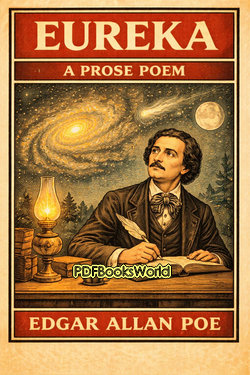
Eureka - A Prose Poem
by Edgar Allan Poe
Edgar Allan Poe’s Strange Vision of the Universe, Creation, and Human Existence
Part philosophy, part cosmology, part metaphysical speculation, and part poetic meditation, Eureka: A Prose Poem by Edgar Allan Poe stands among the most unusual works in nineteenth-century literature. Rather than writing fiction or conventional poetry, Poe attempts nothing less than an explanation of the universe itself, exploring the origins of matter, the structure of reality, gravity, infinity, and humanity’s place within creation.
The result is ambitious, imaginative, eccentric, and deeply personal.
A Work Poe Considered Extremely Important
Poe believed Eureka represented one of his greatest intellectual achievements. He described it not simply as literature, but as a serious attempt to explain cosmic truth through reason and intuition.
The book blends scientific ideas of Poe’s era with philosophical speculation and poetic imagination.
Rather than separating science from art, Poe combines them into a visionary exploration of existence itself.
The text therefore feels unlike almost anything else he wrote.
The Universe as a Unified System
One of Poe’s central arguments is that the universe began from a single original unity before expanding outward into countless forms of matter and existence.
He speculates about:
- The origin and expansion of the cosmos
- The relationship between matter and spirit
- Gravity as a universal force of return
- The eventual collapse or reunification of creation
Some readers have later noticed surprising similarities between certain ideas in Eureka and modern cosmological theories, though Poe approached the subject poetically rather than scientifically.
Science Mixed With Mysticism and Imagination
Although the work discusses astronomy and physical reality, it also moves deeply into metaphysical territory.
Poe treats intuition and imagination as essential tools for understanding truths beyond ordinary logic.
The prose often shifts between analytical argument and visionary language filled with emotional intensity and cosmic imagery.
The book therefore operates simultaneously as philosophy, speculative science, and poetic meditation.
A Reflection of Poe’s Intellectual Obsessions
Many themes found throughout Poe’s fiction and poetry reappear here in abstract form.
Readers encounter:
- The fascination with infinity and mystery
- The search for hidden order beneath apparent chaos
- The relationship between beauty and truth
- The tension between reason and imagination
Even without Gothic settings or horror plots, the work carries the same atmosphere of intellectual intensity associated with Poe’s fiction.
The Unusual Style of Eureka
Poe writes with dramatic confidence and philosophical ambition. The prose can feel grand, emotional, and highly rhetorical while moving rapidly between scientific discussion and poetic speculation.
At times the work reads like a lecture, while elsewhere it resembles visionary prose poetry filled with cosmic symbolism.
This unusual mixture makes the text both challenging and fascinating.
Why Eureka Still Intrigues Readers
Eureka: A Prose Poem remains compelling because it reveals a literary writer attempting to confront the largest possible questions about existence, creation, and the structure of reality.
For readers interested in philosophical literature, speculative cosmology, metaphysical writing, and the intellectual side of Edgar Allan Poe, the book offers a strange and imaginative journey into the mysteries of the universe and human thought.
Similar Genres
About the Author
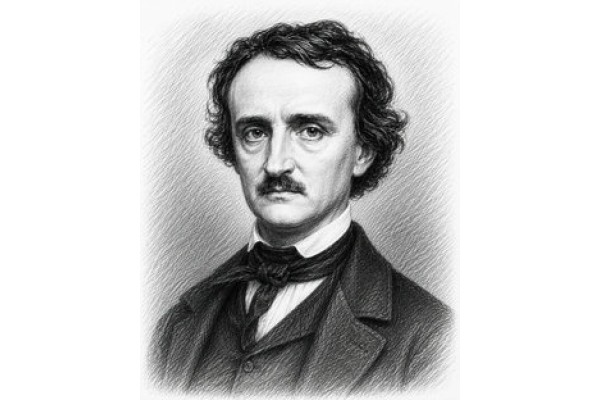
Edgar Allan Poe is regarded as one of the most influential figures in American literature, celebrated for his mastery of mystery, Gothic fiction, and psychological horror. Born in Boston in 1809, Poe transformed the short story into a powerful literary form through his vivid imagination, poetic language, and exploration of the darker aspects of the human mind. Explore Edgar Allan Poe books to discover the author's life, literary career, and access notable works, including The Fall of the House of Usher, The Raven, The Cask of Amontillado, The Masque of the Red Death , and more.