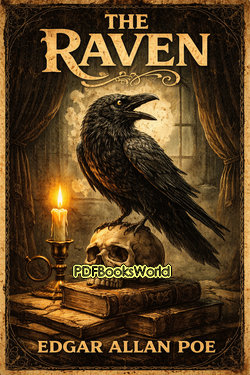
The Raven
by Edgar Allan Poe
A Dark and Haunting Poem About Grief, Memory, and Despair
The Raven by Edgar Allan Poe is one of the most famous poems in American literature. First published in 1845, the poem tells the story of a grieving man visited late at night by a mysterious raven whose repeated word, “Nevermore,” deepens the narrator’s sorrow and emotional torment.
The poem became celebrated for its musical language, gothic atmosphere, and psychological intensity. Through themes of loss, loneliness, memory, and madness, Poe created a masterpiece of Gothic literature and dark romantic poetry.
About the Author
Edgar Allan Poe was an American writer, poet, and literary critic known for his horror stories, detective fiction, and emotionally powerful poetry.
Poe’s works often explored fear, death, grief, and the darker sides of the human mind while shaping the development of modern horror and mystery literature.
Main Themes of the Poem
The poem focuses on a lonely narrator mourning the loss of a woman named Lenore while struggling with emotional despair and haunting memories.
Important Themes Discussed
- Grief and emotional suffering
- Death, memory, and loss
- Madness and psychological torment
- The supernatural and the unknown
The raven itself becomes a symbol of sorrow, hopelessness, and the inability to escape painful memories.
The Meaning of the Raven
When the mysterious bird enters the narrator’s room, its repeated answer of “Nevermore” gradually transforms from strange amusement into a terrifying reminder of permanent loss.
As the narrator continues questioning the raven, his emotional state worsens, creating a powerful atmosphere of fear, obsession, and despair.
What Makes the Poem Unique
- Musical rhythm and unforgettable repetition
- Dark gothic atmosphere and symbolism
- Deep psychological and emotional intensity
Writing Style
Poe’s writing style is dramatic, rhythmic, and highly atmospheric. The poem’s rhyme, repetition, and sound patterns create a hypnotic effect that strengthens its emotional impact.
The vivid imagery and carefully structured language help build suspense and emotional tension throughout the poem.
Historical Importance
The Raven became one of the defining works in the history of American poetry and Gothic literary tradition. The poem established Poe’s international reputation and strongly influenced horror, mystery, and symbolic poetry.
Historical Features
- Major influence on Gothic and horror literature
- Famous use of rhythm and poetic sound
- Enduring cultural and literary popularity
The poem also helped demonstrate how poetry could combine emotional depth with dramatic atmosphere and psychological exploration.
Lessons for Modern Readers
Modern readers continue to admire the poem because its themes of grief, loneliness, and emotional struggle remain deeply relatable.
The poem also encourages reflection on memory, loss, and the emotional power of language and imagination.
Conclusion
The Raven by Edgar Allan Poe remains one of the most memorable and haunting poems ever written. Through musical language, gothic imagery, and emotional intensity, Poe created a timeless masterpiece about sorrow, memory, and the mysteries of the human mind.
Similar Genres
About the Author
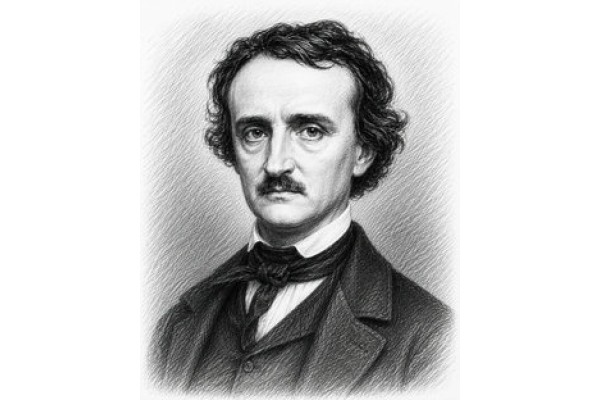
Edgar Allan Poe is regarded as one of the most influential figures in American literature, celebrated for his mastery of mystery, Gothic fiction, and psychological horror. Born in Boston in 1809, Poe transformed the short story into a powerful literary form through his vivid imagination, poetic language, and exploration of the darker aspects of the human mind. Explore Edgar Allan Poe books to discover the author's life, literary career, and access notable works, including The Fall of the House of Usher, The Cask of Amontillado, The Masque of the Red Death, The Complete Poetical Works of Edgar Allan Poe , and more.