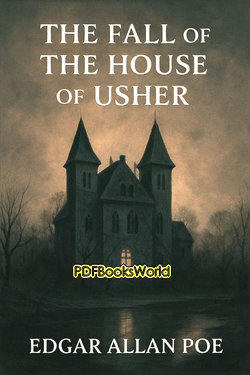
The Fall of the House of Usher
by Edgar Allan Poe
Madness, Fear, and Gothic Horror in The Fall of the House of Usher
The Fall of the House of Usher by Edgar Allan Poe is one of the most famous gothic horror stories ever written. First published in 1839, the tale combines psychological terror, mystery, and supernatural atmosphere to create a haunting exploration of fear and human decline.
The story follows an unnamed narrator who visits his childhood friend, Roderick Usher, at a dark and decaying mansion. As strange events unfold inside the isolated house, the narrator begins to experience growing fear and uncertainty. Poe slowly builds tension until the story reaches its unforgettable conclusion.
Why the Story Remains a Gothic Classic
Edgar Allan Poe masterfully creates suspense through atmosphere, symbolism, and psychological detail. The gloomy mansion, the mysterious illness of the Usher siblings, and the sense of approaching doom all contribute to the story’s lasting power.
Reasons Readers Still Admire the Story
- Dark and unforgettable gothic atmosphere
- Psychological horror and suspense
- Symbolic storytelling and hidden meanings
- Rich descriptive language
- Influence on modern horror fiction
Many literary scholars consider the story one of the greatest examples of gothic fiction in American literature.
The Symbolism of the House
The Usher mansion is more than just a setting. Poe presents the house as a symbol of the mental and emotional collapse of the Usher family itself. The crumbling walls, dark interior, and eerie silence reflect the fragile psychological condition of Roderick Usher.
The connection between the family and the house becomes stronger as the story progresses, creating a sense that both are doomed together.
Readers interested in gothic literary traditions can explore Britannica’s article on Gothic novels.
Psychological Horror and Madness
Unlike many horror stories that rely on monsters or violence, Poe creates fear through uncertainty and psychological tension. Roderick Usher’s nervous behavior and growing terror slowly affect the narrator as well.
The story explores how isolation, fear, and guilt can weaken the human mind. Poe leaves many details unexplained, allowing readers to question whether the horrors are supernatural or psychological.
Major Themes in the Story
- Madness and psychological collapse
- Fear of death and decay
- Isolation and loneliness
- The power of imagination
- The relationship between mind and environment
Edgar Allan Poe’s Writing Style
Poe’s writing is known for its emotional intensity and vivid imagery. In this story, he carefully controls mood and pacing to create constant tension. Every sound, shadow, and description adds to the growing feeling of dread.
His attention to atmosphere later influenced generations of horror and mystery writers.
Readers looking for deeper literary interpretation can visit SparkNotes analysis of The Fall of the House of Usher.
The Story’s Influence on Horror Literature
The Fall of the House of Usher helped shape modern horror fiction through its psychological depth and gothic imagery. Many later writers borrowed Poe’s techniques of suspense, unreliable perception, and symbolic settings.
The story has inspired numerous films, television adaptations, artworks, and modern gothic novels.
More about Edgar Allan Poe’s literary influence can be found through Poetry Foundation’s profile of Edgar Allan Poe.
Final Thoughts
The Fall of the House of Usher remains a timeless masterpiece of gothic horror because of its atmosphere, psychological complexity, and haunting imagery. Edgar Allan Poe transformed a simple tale of fear into a powerful exploration of madness, death, and human imagination.
Similar Genres
About the Author
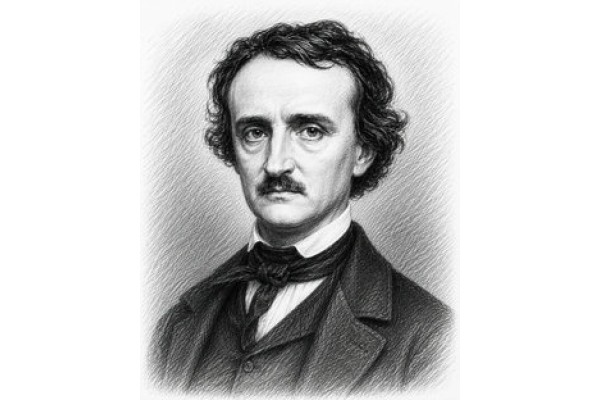
Edgar Allan Poe is regarded as one of the most influential figures in American literature, celebrated for his mastery of mystery, Gothic fiction, and psychological horror. Born in Boston in 1809, Poe transformed the short story into a powerful literary form through his vivid imagination, poetic language, and exploration of the darker aspects of the human mind. Explore Edgar Allan Poe books to discover the author's life, literary career, and access notable works, including The Raven, The Cask of Amontillado, The Masque of the Red Death, The Complete Poetical Works of Edgar Allan Poe , and more.