Doctor Marigold
by Charles Dickens
A Traveling Salesman With a Loud Voice and a Surprisingly Tender Heart
Doctor Marigold by Charles Dickens tells the story of a cheerful traveling salesman whose colorful public personality hides deep emotional pain and remarkable compassion. Unlike Dickens’ large social novels filled with complicated plots, this work feels intimate and personal, shaped almost entirely through the narrator’s lively voice.
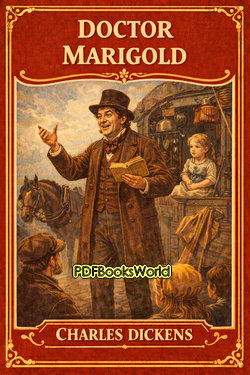
Doctor Marigold earns his living selling goods from a traveling cart, entertaining crowds with humor, fast speech, and dramatic salesmanship. Yet beneath the comedy and noise lies a deeply emotional story about loneliness, grief, fatherhood, and human connection.
The novella combines humor and sentiment in a way that became one of Dickens’ most recognizable literary strengths.
The Narrator Speaks Directly to the Reader
One of the story’s most distinctive features is its conversational style. Doctor Marigold narrates events himself, often sounding as though he is speaking directly to an audience gathered around his cart.
His storytelling voice feels:
- Warm and energetic
- Humorous and theatrical
- Emotionally honest
- Filled with colorful observation
This direct narration helps readers feel closely connected to both the character and his emotional experiences.
A Life Changed by Loss and Unexpected Responsibility
Although Doctor Marigold appears cheerful in public, his life has been marked by tragedy and hardship. After suffering painful personal loss, he later encounters a deaf and mute orphan girl whose future becomes deeply connected to his own.
Rather than treating the child with pity alone, he becomes determined to give her care, education, and opportunities she would otherwise never receive.
The relationship slowly transforms both their lives and becomes the emotional heart of the novella.
The Story Focuses on Human Kindness Rather Than Wealth
Dickens places emotional generosity above social status throughout the narrative. Doctor Marigold may not possess wealth or formal education, but he demonstrates deep compassion and emotional intelligence.
The novella quietly explores:
Found Family
Emotional bonds can become stronger than biological connection.
Dignity and Respect
The story treats disability and vulnerability with sympathy and humanity.
Personal Sacrifice
Love often requires patience, effort, and selflessness.
These themes give the novella warmth without becoming overly sentimental.
The Traveling World Creates Constant Movement
The setting moves through fairs, roads, marketplaces, and temporary stopping places connected to the life of a traveling salesman. This wandering lifestyle gives the story a feeling of motion and unpredictability.
Dickens captures details of:
- Street performance and public selling
- Crowded fairs and roadside gatherings
- The rough but lively atmosphere of travel
- Ordinary working-class life in Victorian England
The traveling environment also reflects Doctor Marigold’s restless and emotionally resilient personality.
The Writing Balances Comedy With Emotional Depth
Much of the novella’s charm comes from the contrast between the narrator’s comic public style and the sadness quietly present beneath it. Doctor Marigold jokes, exaggerates, and entertains, but Dickens gradually reveals his emotional vulnerability through personal reflection and memory.
The emotional moments feel effective because they emerge naturally from the character rather than through forced drama. Humor and sorrow remain closely connected throughout the story.
This balance helps make the novella both entertaining and emotionally sincere.
A Warm and Deeply Human Dickens Story
Doctor Marigold remains memorable because it turns an ordinary traveling salesman into one of Dickens’ most compassionate and emotionally engaging narrators. Through lively storytelling and heartfelt relationships, the novella explores love, resilience, and the quiet dignity found in everyday life.
Readers interested in character-driven Victorian fiction and emotionally reflective storytelling may especially appreciate the novella’s warmth and humanity. Beneath the colorful performances and comic voice lies a touching story about care, connection, and emotional healing.
Similar Genres
About the Author
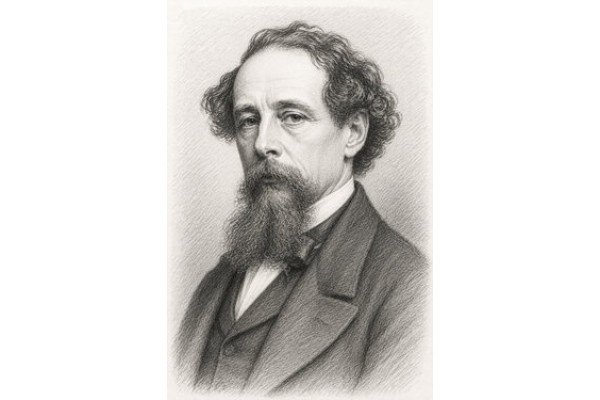
Charles Dickens transformed the Victorian novel into a powerful reflection of everyday life, giving a voice to the poor, the forgotten, and the disadvantaged. Born in Portsmouth, England, in 1812, he experienced financial hardship during his childhood, an experience that deeply influenced his writing. Explore Charles Dickens books to discover the author's life, literary career, and access notable works, including A Tale of Two Cities, Great Expectations, A Christmas Carol, Oliver Twist , and more.