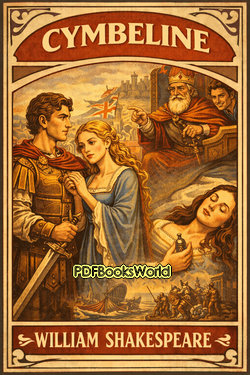
Cymbeline
by William Shakespeare
A Romantic Drama of Betrayal, Disguise, and Reconciliation
Cymbeline by William Shakespeare is one of Shakespeare’s late romantic plays, blending tragedy, adventure, political conflict, and fantasy into a sweeping story about loyalty, jealousy, identity, and forgiveness. Set in ancient Britain during the Roman era, the play combines royal intrigue, mistaken accusations, disguises, and surprising reunions in a dramatic journey filled with emotional intensity and theatrical wonder.
Like Shakespeare’s other late romances, the play moves through suffering and separation before arriving at reconciliation and emotional healing.
A Secret Marriage Creates Conflict
The story begins when Imogen, the daughter of King Cymbeline, secretly marries Posthumus Leonatus, a noble but lower-born gentleman. Cymbeline strongly disapproves of the marriage and banishes Posthumus from Britain.
Separated from Imogen and emotionally vulnerable, Posthumus becomes entangled in a dangerous wager involving his wife’s loyalty. False accusations and deception soon place Imogen in grave emotional and physical danger.
The play’s central conflict grows from jealousy, misunderstanding, and manipulation.
Disguise, Exile, and Adventure
As the story develops, characters travel through forests, mountains, royal courts, and battlefields. Imogen disguises herself as a young man in order to survive and search for truth, while hidden identities and long-lost family connections gradually begin to emerge.
Shakespeare combines emotional drama with adventurous storytelling and moments of near-mythical coincidence.
Characters
- Imogen – A loyal and courageous princess enduring betrayal and hardship
- Posthumus Leonatus – Imogen’s husband whose jealousy and insecurity create tragedy
- King Cymbeline – The ruler of Britain struggling with political and family conflict
- Iachimo – A manipulative and deceitful figure testing Imogen’s loyalty
- Pisanio – A faithful servant helping protect Imogen during her journey
The emotional and political relationships among these characters drive the play’s dramatic movement and eventual reconciliation.
Themes
- Loyalty, trust, and romantic devotion
- Jealousy, deception, and false accusation
- Identity, disguise, and self-discovery
- Forgiveness, reconciliation, and emotional renewal
- The relationship between personal conflict and political authority
These themes give the play emotional depth and symbolic richness.
William Shakespeare’s Blend of Romance and Fantasy
Shakespeare combines poetic language, emotional drama, adventurous travel, and theatrical surprise throughout the play. Scenes shift quickly between royal courts, wilderness landscapes, and military conflict, creating a grand and imaginative atmosphere.
The mixture of realism and fantasy gives the drama a dreamlike and emotionally expansive quality.
A Story Moving From Suffering Toward Healing
Like many of Shakespeare’s late romances, Cymbeline focuses less on permanent tragedy and more on recovery after emotional pain. Characters endure separation, betrayal, and misunderstanding before eventually reaching forgiveness and reconciliation.
The play suggests that patience, loyalty, and compassion can survive even deep emotional conflict.
Why Cymbeline Continues to Fascinate Audiences
Cymbeline remains admired because of its adventurous storytelling, emotionally resilient heroine, and remarkable blend of romance, tragedy, and fantasy. Shakespeare creates a rich theatrical world filled with danger, mystery, and emotional transformation.
For readers and audiences interested in Shakespearean romance, dramatic adventure, and stories of loyalty and redemption, the play offers a powerful and imaginative exploration of love, identity, and forgiveness.
Similar Genres
About the Author

William Shakespeare is widely regarded as the greatest playwright in the English language and one of the most influential writers in world literature. Born in Stratford-upon-Avon in 1564, he transformed the stage with works that explored love, ambition, jealousy, power, revenge, and the enduring complexities of human nature. Explore William Shakespeare books to discover the author's life, literary career, and access notable works, including Romeo and Juliet, Hamlet, Macbeth, The Tempest , and more.