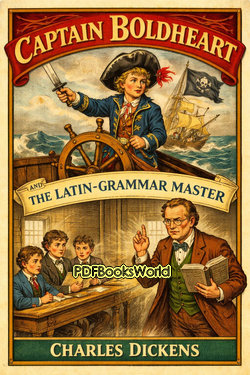
Captain Boldheart and the Latin-Grammar Master
by Charles Dickens
A Wildly Exaggerated Adventure Told With Complete Seriousness
Captain Boldheart and the Latin-Grammar Master by Charles Dickens is one of the author’s most playful and ridiculous comic pieces. Written as a parody of dramatic adventure stories, the tale follows the fearless Captain Boldheart through exaggerated dangers, heroic speeches, impossible situations, and absurdly overconfident behavior.
Rather than attempting realism, Dickens intentionally fills the story with nonsense, mock heroism, and exaggerated storytelling. The humor comes from the fact that every ridiculous event is described with complete seriousness, as though it were part of a grand epic adventure.
The result feels energetic, chaotic, and delightfully absurd.
The Hero Charges Into Adventure Without Fear or Logic
Captain Boldheart behaves exactly like an overdramatic fictional hero determined to conquer every obstacle through bravery alone. He speaks with total confidence even when situations become completely unreasonable.
The story constantly exaggerates traditional adventure fiction elements:
- Daring rescues and impossible missions
- Overly dramatic speeches
- Ridiculous villains and conflicts
- Wild action scenes described with mock seriousness
- Heroic confidence far beyond common sense
This exaggerated style turns the novella into a comic parody of popular adventure literature.
The Latin-Grammar Master Adds Comic Contrast
Part of the humor comes from the strange contrast between grand adventure and the ordinary figure of the Latin-grammar master. Dickens deliberately combines heroic storytelling with academic and everyday details that feel completely out of place in a dramatic adventure narrative.
Absurd Seriousness
Characters react to ridiculous situations as though they are part of an important heroic mission.
Comic Contradictions
The mixture of schoolroom references and epic adventure creates unexpected humor.
Mock Heroism
The story playfully exaggerates the style of romantic adventure fiction popular during the period.
This contrast keeps the comedy fast and unpredictable.
The Writing Style Is Intentionally Overdramatic
Dickens writes the story using exaggerated language and theatrical narration. Every danger feels enormous, every speech sounds heroic, and every event appears more dramatic than necessary.
The humor depends heavily on:
- Comic exaggeration
- Overly formal heroic language
- Rapid and chaotic storytelling
- Unexpected shifts between ordinary and ridiculous situations
- Parody of adventure-story clichés
This energetic style gives the novella a playful sense of movement and excitement.
The Story Reflects Dickens’ Love of Performance and Humor
Although Dickens is often remembered for emotional novels and social criticism, he also enjoyed theatrical comedy and comic performance. Captain Boldheart and the Latin-Grammar Master reveals his delight in playful storytelling and exaggerated entertainment.
The piece feels almost designed for dramatic reading aloud, with its energetic rhythm and intentionally ridiculous situations.
Readers can sense Dickens enjoying the freedom to create humor without worrying about realism or moral seriousness.
The Adventure Genre Becomes the Joke
Part of the novella’s comedy comes from how closely it imitates dramatic adventure fiction while constantly pushing it into absurdity.
Fearless Heroes Become Ridiculous
Captain Boldheart’s exaggerated bravery turns traditional heroism into comedy.
Danger Loses Realism
The increasingly outrageous situations become amusing precisely because they are impossible.
Epic Storytelling Is Mocked Affectionately
The novella laughs at adventure fiction while still enjoying its excitement and energy.
This playful parody gives the work lasting charm.
A Fast, Funny, and Delightfully Chaotic Dickens Comedy
Captain Boldheart and the Latin-Grammar Master remains entertaining because it embraces exaggeration, theatrical humor, and complete nonsense with joyful confidence. Charles Dickens transforms heroic adventure storytelling into comic parody without losing the excitement and imagination that make such stories fun.
Readers who enjoy humorous Victorian fiction, literary parody, and energetic storytelling may especially appreciate the novella’s playful absurdity. Beneath the exaggerated heroics lies a witty celebration of imagination and comic performance.
Similar Genres
About the Author
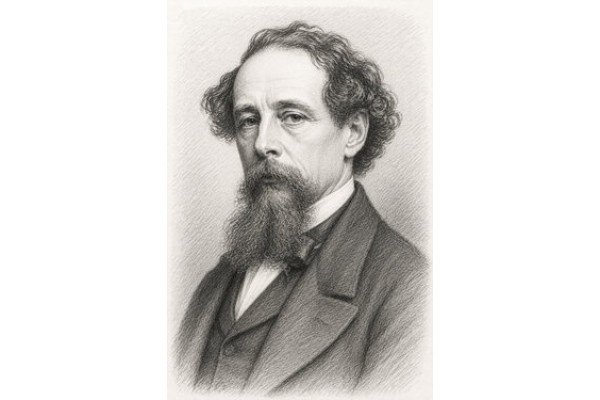
Charles Dickens transformed the Victorian novel into a powerful reflection of everyday life, giving a voice to the poor, the forgotten, and the disadvantaged. Born in Portsmouth, England, in 1812, he experienced financial hardship during his childhood, an experience that deeply influenced his writing. Explore Charles Dickens books to discover the author's life, literary career, and access notable works, including A Tale of Two Cities, Great Expectations, A Christmas Carol, Oliver Twist , and more.