Communism
The Communism catalog offers a comprehensive collection of books that explore the history, theory, development, and influence of communist thought and movements around the world. Covering topics such as class struggle, economic systems, social organization, labor movements, revolutionary politics, and state governance, the collection provides readers with valuable insights into one of the most influential political ideologies of the modern era. These works examine both the philosophical foundations of communism and its impact on societies throughout history.
Many titles focus on the theoretical principles of communism, examining ideas concerning collective ownership, economic equality, social justice, and the role of the working class in society. Readers can explore foundational texts and political writings that discuss the organization of economic resources, the relationship between labor and capital, and the pursuit of a classless social order. Through philosophical analysis and political debate, these books reveal how communist thinkers sought to address social and economic inequalities. The collection emphasizes the importance of understanding political and economic theory in evaluating ideological movements.
The catalog also explores the historical development of communist movements across different nations and periods. Readers can examine accounts of political revolutions, labor organizations, social reforms, and governmental systems influenced by communist principles. These works provide insight into how communist ideas were adapted to diverse cultural, economic, and political circumstances. By studying these historical experiences, readers gain a broader understanding of the successes, challenges, and controversies associated with communist movements.
Another notable feature of the collection is its examination of the global impact of communism on international relations, social policy, and political discourse. Many books investigate the role of communist parties, ideological conflicts, economic planning, and revolutionary movements in shaping twentieth-century history. Readers can explore how communism influenced debates about democracy, equality, industrial development, and social welfare across different regions of the world. The collection highlights the value of historical analysis and critical inquiry in understanding complex political ideologies.
The Communism catalog appeals to students, historians, political scientists, economists, educators, researchers, and lifelong learners interested in political theory and modern history. Its combination of ideological texts, historical studies, economic discussions, and political analyses makes it a valuable resource for examining one of the most significant political movements of the modern age.
Overall, the Communism catalog serves as a gateway to the study of communist ideas and their influence on world history. By bringing together works on political theory, economic systems, revolutionary movements, and historical developments, the collection encourages readers to explore the intellectual and practical dimensions of communism. It highlights the enduring importance of political understanding, historical perspective, and informed analysis in examining major ideological traditions.

The Soul of Man under Socialism
Oscar Wilde
The Soul of Man
Oscar Wilde
The Protocols and World Revolution
Sergei Aleksandrovich Nilus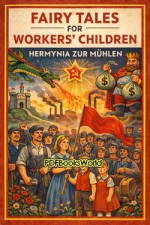
Fairy Tales for Workers' Children
Herminia zur Muhlen