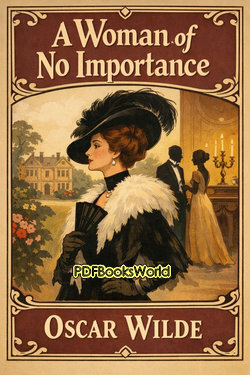
A Woman of No Importance
by Oscar Wilde
A Brilliant Social Comedy Exploring Reputation, Morality, and Victorian Society
A Woman of No Importance by Oscar Wilde is a sophisticated and witty stage play that combines sharp social satire, emotional conflict, romance, and moral criticism within the setting of upper-class Victorian society. Known for his clever dialogue and insightful observations about social behavior, Wilde uses the play to examine hypocrisy, gender expectations, public reputation, and personal responsibility.
First performed in the nineteenth century, the play remains admired for its intelligent humor, memorable characters, and thoughtful criticism of social values and double standards.
The Story and Social Setting
The play takes place within the world of wealthy English society, where appearances, reputation, and social status often matter more than honesty or morality. Beneath the elegant conversations and fashionable gatherings, Wilde reveals emotional tensions, hidden secrets, and personal conflicts.
The story centers around questions of respectability, personal history, and social judgment. Wilde carefully exposes the hypocrisy of a society that treats men and women differently while claiming to uphold moral values.
The combination of comedy and emotional seriousness gives the play both entertainment and deeper social meaning.
Main Characters in the Play
The strength of the play comes largely from its memorable characters and their complex relationships.
- Mrs. Arbuthnot, a strong and emotionally complex woman protecting her dignity and independence
- Lord Illingworth, a charming but morally questionable aristocrat
- Gerald Arbuthnot, an ambitious young man seeking social advancement
- Hester Worsley, an American visitor with strong moral principles
- Lady Hunstanton and other social figures representing fashionable society
The interactions between these characters create both humorous dialogue and emotional confrontation.
Main Themes Explored Throughout the Play
A Woman of No Importance explores several themes that continue to remain relevant for modern audiences.
- Social hypocrisy and moral double standards
- The unequal treatment of men and women
- Reputation, respectability, and public image
- Personal dignity and emotional independence
- The contrast between appearance and reality
These themes allow Wilde to criticize society while still entertaining audiences through wit and humor.
Why Readers and Audiences Continue to Enjoy the Play
The play remains popular because it combines intelligent comedy with serious emotional and social questions. Wilde's observations about hypocrisy, vanity, and public morality continue to feel surprisingly modern.
The play offers:
- Sharp and memorable dialogue filled with wit
- Social criticism presented through comedy and drama
- Complex emotional relationships and moral conflict
- A fascinating portrait of Victorian upper-class society
Readers often admire the balance between humor and emotional seriousness found throughout the play.
The Writing Style of Oscar Wilde
Oscar Wilde writes with elegance, irony, and remarkable verbal wit. His dialogue is filled with clever observations, paradoxes, and satirical comments about society, manners, and human behavior.
At the same time, Wilde gives the play emotional depth by exploring themes of shame, motherhood, social judgment, and personal integrity.
The combination of sparkling comedy and deeper emotional conflict helped establish Wilde as one of the greatest dramatists of his era.
A Timeless Social Comedy About Morality and Human Dignity
Classic drama continues to remain meaningful because it explores social behavior, emotional conflict, morality, and personal identity through memorable characters and engaging storytelling.
A Woman of No Importance by Oscar Wilde remains a brilliant and entertaining play that continues to captivate readers and audiences with its wit, emotional complexity, and powerful criticism of social hypocrisy and inequality.
Similar Genres
About the Author
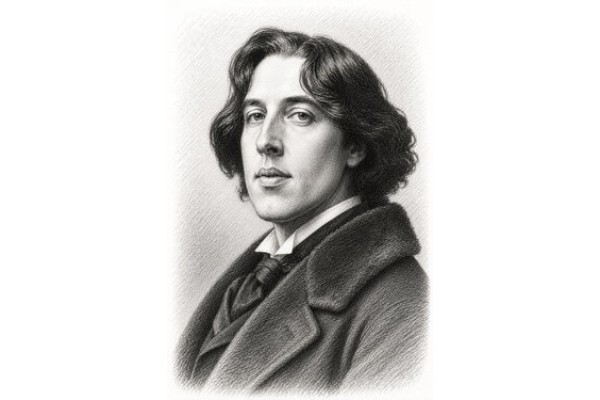
Oscar Wilde remains one of the most admired writers of the Victorian era, celebrated for his brilliant wit, elegant prose, and enduring literary imagination. Born in Dublin, Ireland, in 1854, Wilde established himself as a novelist, playwright, poet, and essayist whose works continue to delight readers more than a century after they were written. Explore Oscar Wilde books to discover the author's life, literary career, and access notable works, including The Importance of Being Earnest, The Canterville Ghost, The Picture of Dorian Gray, An Ideal Husband , and more.