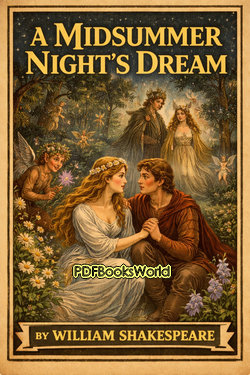
A Midsummer Night's Dream
by William Shakespeare
Magic, Love, and Mischief in A Midsummer Night's Dream
A Midsummer Night's Dream by William Shakespeare is one of the most famous comedy plays in English literature. Filled with romance, fantasy, mistaken identity, and magical confusion, the play blends humor with imagination to create a lively and unforgettable theatrical experience.
Set partly in ancient Athens and partly within an enchanted forest, the story explores the unpredictable nature of love and the strange chaos created by magic.
A Night of Confusion and Enchantment
The story begins with several young lovers fleeing into a forest where magical forces interfere with their relationships.
At the same time, a group of amateur actors rehearses a play while supernatural beings create confusion around them.
As the night unfolds, characters experience:
- Romantic misunderstandings
- Magical transformations
- Comic arguments and jealousy
- Unexpected emotional changes
The forest becomes a place where normal rules no longer seem to apply.
Main Characters in the Play
Puck
A playful magical spirit responsible for much of the confusion and humor in the story.
Oberon and Titania
The king and queen of the fairies whose conflict affects both the magical and human worlds.
The Four Lovers
Hermia, Lysander, Helena, and Demetrius become trapped in constantly changing romantic confusion caused by magic.
Bottom
A humorous actor who becomes involved in one of the play’s strangest magical transformations.
Major Themes in the Play
| Theme | How It Appears |
| Love and Desire | Romantic feelings change quickly and unpredictably. |
| Magic and Fantasy | Supernatural forces influence human behavior. |
| Dreams and Illusion | The line between reality and imagination becomes unclear. |
| Comedy and Chaos | Mistakes and confusion create humor throughout the story. |
Why the Forest Is Important
The enchanted forest acts almost like a separate world where characters reveal hidden emotions and experience personal change.
Inside the forest:
- Social rules weaken
- Magic changes relationships
- Characters confront emotional confusion
- Comedy grows from misunderstanding
The setting gives the play its dreamlike and imaginative atmosphere.
Shakespeare’s Comic Style
William Shakespeare combines romance, poetry, fantasy, and humor with remarkable energy.
The play’s style includes:
- Witty dialogue
- Poetic language
- Comic misunderstandings
- Magical imagery
- Fast-moving scenes
The mixture of elegant poetry and playful comedy helps make the play entertaining for many different audiences.
Why the Play Remains Popular
Centuries after it was written, A Midsummer Night's Dream remains widely performed because of its imagination, humor, and emotional charm.
Audiences continue to enjoy:
- The magical atmosphere
- The humorous confusion between lovers
- Puck’s playful mischief
- The fantasy elements
- The joyful ending
Its lighthearted tone makes it one of Shakespeare’s most accessible works.
The Play’s Influence on Popular Culture
The story has inspired countless:
- Stage adaptations
- Films and television productions
- Ballets and operas
- Fantasy and romantic comedies
Its magical themes and memorable characters continue to influence modern storytelling.
Who Should Read or Watch This Play?
A Midsummer Night's Dream is especially recommended for readers interested in:
Classic drama, romantic comedy, fantasy literature, Shakespearean theater, magical storytelling, and humorous plays.
Final Thoughts
A Midsummer Night's Dream by William Shakespeare remains a joyful and imaginative comedy about love, dreams, and the unpredictable nature of human emotion.
Through magical forests, comic confusion, and unforgettable characters, Shakespeare creates a timeless play that continues to entertain audiences with its humor, fantasy, and theatrical charm.
Similar Genres
About the Author
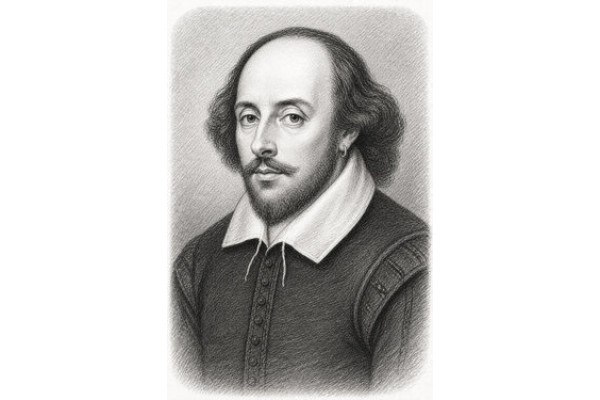
William Shakespeare is widely regarded as the greatest playwright in the English language and one of the most influential writers in world literature. Born in Stratford-upon-Avon in 1564, he transformed the stage with works that explored love, ambition, jealousy, power, revenge, and the enduring complexities of human nature. Explore William Shakespeare books to discover the author's life, literary career, and access notable works, including Romeo and Juliet, Hamlet, Macbeth, The Tempest , and more.