
The Decameron
by Giovanni Boccaccio
A Masterpiece of Storytelling From the Italian Renaissance
The Decameron by Giovanni Boccaccio is one of the most important and influential works of early European literature. Written during the fourteenth century, the book is a vast collection of one hundred stories that combine humor, romance, tragedy, wit, satire, and social observation. Through these tales, Boccaccio presents a lively portrait of human nature and society during a period shaped by fear, change, and cultural transformation.
The work became a landmark of Renaissance literature because of its realistic characters, vivid storytelling, and focus on ordinary human experiences rather than purely religious subjects.
A Group of Storytellers Escaping the Plague
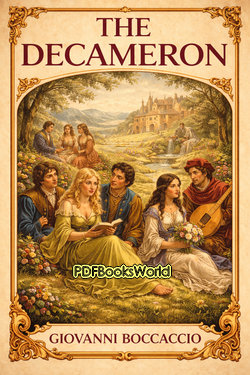
The frame narrative begins during the Black Death in Florence. To escape the suffering and chaos caused by the plague, seven young women and three young men retreat to a peaceful countryside villa outside the city.
To pass the time and maintain emotional comfort, the group agrees that each person will tell a story every day for ten days. These stories form the heart of the book.
A Rich Collection of Human Experiences
The tales cover an enormous variety of subjects and emotions. Some stories are romantic and tender, while others are humorous, tragic, clever, or sharply critical of greed, hypocrisy, and corruption.
Boccaccio portrays merchants, nobles, clergy members, servants, lovers, and ordinary citizens, creating a broad picture of medieval society and human behavior.
Characters
- The ten storytellers whose personalities shape the atmosphere of the storytelling gathering
- Lovers, merchants, nobles, priests, and travelers appearing across the many tales
- Clever individuals using wit and intelligence to overcome difficulties
- Characters driven by love, ambition, greed, jealousy, or desire
- Figures representing both the virtues and weaknesses of humanity
The diversity of characters gives the work extraordinary richness and variety.
Themes
- The complexity of human nature and behavior
- Love, desire, and emotional passion
- The use of intelligence and wit to overcome hardship
- The criticism of hypocrisy and corruption
- The search for joy and meaning during uncertain times
These themes helped establish the work as a major literary achievement of the Renaissance.
Giovanni Boccaccio’s Lively and Realistic Style
Boccaccio writes with elegance, humor, and strong narrative energy. His stories feel vivid and human because he focuses closely on personality, dialogue, and realistic social situations.
The combination of entertainment and social observation allows the work to remain emotionally engaging centuries after its creation.
A Foundation of Renaissance Humanism
The Decameron reflects the growing Renaissance interest in human experience, individuality, and worldly life. Rather than focusing entirely on religious morality, Boccaccio explores love, ambition, pleasure, intelligence, and social behavior with remarkable honesty.
This human-centered perspective strongly influenced later European literature and storytelling traditions.
Why The Decameron Continues to Be Celebrated
The Decameron remains admired because of its storytelling brilliance, emotional variety, and rich portrayal of humanity. Boccaccio captures both the beauty and foolishness of human behavior with humor, sympathy, and realism.
For readers interested in Renaissance literature, historical storytelling, and classic collections of tales, the work offers a fascinating and endlessly varied exploration of life, love, wit, and society.
Similar Genres
About the Author
Giovanni Boccaccio (1313–1375) was an Italian writer, poet, and scholar who became one of the founding figures of Renaissance literature. Alongside Dante Alighieri and Francesco Petrarch, he helped shape Italian literary tradition through works that combined realistic storytelling with deep insight into human nature. Explore Giovanni Boccaccio books to discover the author's life, literary career, and access notable works.