Giovanni Boccaccio
Giovanni Boccaccio (1313–1375) was an Italian writer, poet, and scholar who became one of the founding figures of Renaissance literature. Alongside Dante Alighieri and Francesco Petrarch, he helped shape Italian literary tradition through works that combined realistic storytelling with deep insight into human nature. Boccaccio's writings explored love, wit, fortune, morality, and everyday life, bringing ordinary people into literature with a freshness that was unusual for his time. His influence extended far beyond Italy, inspiring generations of writers across Europe.
Life and Literary Career
Boccaccio lived during a period of great cultural change and witnessed the devastating outbreak of the Black Death in the fourteenth century. These experiences influenced many of his writings, especially his interest in how people respond to hardship, hope, and changing fortunes. In addition to writing stories and poetry, he studied classical literature and worked to preserve the works of earlier authors. His dedication to learning helped lay the foundation for the growth of Renaissance humanism.
His Writing Style
Giovanni Boccaccio wrote in a lively, natural, and engaging style that brought his characters to life through realistic dialogue and memorable storytelling. His works balance humor, romance, wisdom, and social observation, making them enjoyable as well as thought-provoking. He had a remarkable ability to present complex ideas through simple stories, allowing readers to reflect on human behavior while being entertained. His storytelling techniques influenced many later writers, including Geoffrey Chaucer and William Shakespeare.
Popular Books
- The Decameron – A masterpiece of world literature featuring one hundred stories told during the time of the Black Death.
- On Famous Women – A collection of biographies celebrating notable women from history, mythology, and literature.
- The Elegy of Lady Fiammetta – An early psychological novel exploring love, loss, and emotional suffering.
- Filostrato – A narrative poem that inspired later literary works, including Chaucer's Troilus and Criseyde.
- Genealogy of the Pagan Gods – An important reference work on classical mythology and ancient traditions.
Featured in Our Library
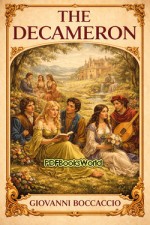
The Decameron is Giovanni Boccaccio's greatest work and one of the finest collections of short stories ever written. The book tells the story of ten young people who leave plague-stricken Florence and entertain one another by sharing one hundred tales over ten days. The stories range from humorous and romantic to serious and thought-provoking, offering a vivid picture of medieval society and human nature. Its memorable characters, lively storytelling, and timeless themes have made The Decameron a lasting classic that continues to influence literature around the world.
Why He Is Remembered
Giovanni Boccaccio is remembered as one of the pioneers of Renaissance literature and one of the greatest storytellers in world history. His works helped shape modern prose fiction and influenced countless writers through their realism, imagination, and understanding of human nature. PDF Books World has carefully curated digital editions of his enduring works, giving modern readers the opportunity to enjoy the timeless stories and literary achievements of this remarkable Italian author.