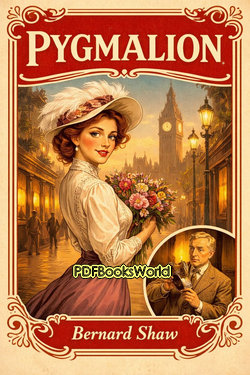
Pygmalion
by Bernard Shaw
A Brilliant Comedy About Language, Class, and Human Identity
Pygmalion by George Bernard Shaw is one of the most celebrated plays of modern English literature. Combining sharp humor, social criticism, and memorable dialogue, the play explores class distinction, education, language, and personal transformation within early twentieth century British society.
Best known for inspiring the musical My Fair Lady, Shaw’s play examines how society judges individuals according to speech, appearance, and social behavior. At the center of the story lies a bold experiment that gradually becomes a deeper exploration of identity, independence, and human dignity.
An Unusual Social Experiment
The story begins when Professor Henry Higgins, an expert in phonetics, encounters Eliza Doolittle, a poor flower seller with a strong working-class accent. Higgins confidently claims that he can transform her into a refined lady simply by teaching her proper speech and manners.
What begins as a playful challenge soon develops into a complicated emotional and social journey for both teacher and student.
Language as a Symbol of Social Power
One of the play’s central ideas is the connection between language and class. In Shaw’s society, the way a person spoke often determined how others judged intelligence, education, and social worth.
Eliza’s transformation demonstrates how easily society can be influenced by appearance and speech, raising questions about whether class differences are truly natural or merely social performances.
Characters
- Eliza Doolittle – A strong-willed flower seller determined to improve her life
- Professor Henry Higgins – A brilliant but arrogant expert in speech and phonetics
- Colonel Pickering – A polite and compassionate gentleman supporting Higgins’s experiment
- Alfred Doolittle – Eliza’s humorous and unconventional father
- Members of upper-class society representing social expectations and class division
The lively interactions between these characters create much of the play’s humor and emotional tension.
Themes
- The relationship between language and social class
- Personal transformation and self-respect
- The limitations and unfairness of class systems
- The conflict between independence and control
- The difference between outward appearance and true identity
These themes give the play lasting cultural and social relevance.
George Bernard Shaw’s Sharp Wit and Social Criticism
Shaw combines comedy with serious social commentary. His dialogue is intelligent, humorous, and filled with observations about human behavior and social hypocrisy.
Rather than presenting simple moral lessons, Shaw encourages audiences to question assumptions about education, class, gender, and respectability.
A Strong and Independent Heroine
Eliza Doolittle remains one of Shaw’s most memorable characters because she gradually develops confidence and independence beyond Higgins’s expectations. Her transformation becomes not merely social but emotional and intellectual.
The play ultimately asks whether true personal growth can occur without freedom and self-respect.
Why Pygmalion Continues to Be Admired
Pygmalion remains popular because of its clever humor, unforgettable characters, and insightful exploration of social identity. Shaw’s observations about class, language, and personal dignity continue to feel relevant in modern society.
For readers interested in classic drama, social satire, and character-driven storytelling, the play offers an entertaining and thought-provoking examination of how society shapes human identity and opportunity.
Similar Genres
About the Author
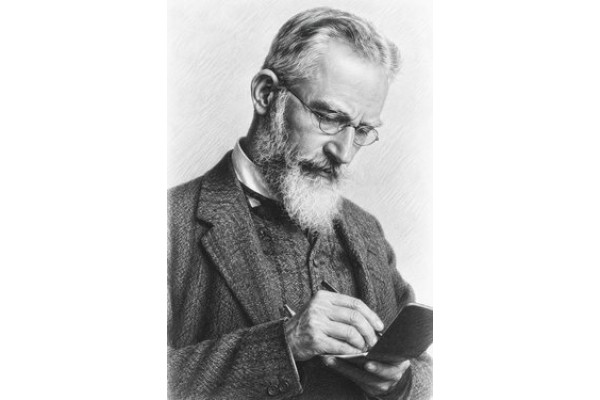
Bernard Shaw, born George Bernard Shaw, was an Irish playwright, critic, essayist, and social thinker whose brilliant wit and fearless intellect made him one of the greatest dramatists of the modern era. Born in Dublin in 1856, Shaw moved to London, where he developed a distinguished literary career that spanned more than six decades. Explore Bernard Shaw books to discover the author's life, literary career, and access notable works, including Arms and the Man, Mrs. Warren's Profession , and more.