
Woodland Paths
by Winthrop Packard
A Gentle Exploration of Nature's Hidden Corners
Woodland Paths by Winthrop Packard is a charming work of nature writing that invites readers to wander through forests, fields, and quiet rural landscapes alongside an observant and appreciative guide. Combining careful natural observation with vivid description, Packard reveals the beauty and complexity of the outdoor world, encouraging readers to notice the details that often go unseen in everyday life.
Rather than focusing on dramatic adventures or distant wilderness expeditions, the book celebrates the discoveries that can be made along familiar paths and woodland trails. Through patient observation, Packard demonstrates that even ordinary walks can become opportunities for learning, reflection, and wonder.
The result is a timeless tribute to the richness of the natural environment.
The Appeal of Woodland Exploration
At the heart of the book lies the simple pleasure of walking through natural landscapes. Packard approaches each path as an invitation to discover something new, whether it is an unfamiliar bird, an interesting plant, or a subtle change in the season.
The woodland environment becomes a living community filled with activity. Every tree, stream, and patch of undergrowth contributes to a larger ecological story that unfolds gradually before the attentive observer.
This sense of discovery gives the narrative its enduring charm.
Encounters with Wildlife
Wildlife observations play a central role throughout the book. Packard's keen eye allows him to notice creatures that many people might overlook, bringing readers closer to the daily lives of woodland inhabitants.
- Songbirds moving through forest canopies.
- Small mammals hidden among leaves and brush.
- Insects contributing to the balance of the ecosystem.
- Seasonal changes in animal behavior.
These observations highlight the diversity and interconnectedness of life within natural habitats.
Winthrop Packard's Nature Writing
Winthrop Packard was known for his ability to blend scientific curiosity with literary expression. His writing conveys accurate observations while maintaining a sense of warmth and appreciation for the natural world.
Rather than presenting nature as a subject to be studied from a distance, he encourages readers to experience it directly. His descriptions capture sounds, colors, movements, and seasonal transformations in a way that makes the landscape feel alive.
This combination of knowledge and enthusiasm remains one of his greatest strengths.
The Lessons of the Seasons
The changing seasons provide a recurring framework for many of Packard's observations. Each season transforms the woodland environment, bringing new sights, sounds, and patterns of activity.
Spring introduces fresh growth and returning wildlife, while summer reveals the full abundance of life. Autumn brings color and preparation for colder months, and winter offers quieter but equally fascinating opportunities for observation.
These seasonal cycles remind readers of the constant renewal that characterizes the natural world.
The Value of Patience and Attention
One of the book's most important themes is the idea that nature rewards patience. Many of the most memorable discoveries occur not through hurried movement but through careful observation and a willingness to spend time outdoors.
Packard demonstrates that understanding nature often begins with simply paying attention. A bird's call, a changing leaf, or a hidden trail can reveal insights into the broader patterns of life surrounding us.
This message continues to resonate in a fast-paced modern world.
A Record of Landscapes Past
Beyond its literary appeal, Woodland Paths serves as a historical record of natural environments from the early twentieth century. The landscapes Packard describes offer valuable glimpses into ecosystems before many modern changes in land use and development occurred.
Readers gain not only an appreciation for nature but also a sense of how environments evolve over time. The book preserves observations that contribute to our understanding of ecological history.
This historical dimension adds depth to its value as nature literature.
Final Thoughts
Woodland Paths by Winthrop Packard is a beautifully observed celebration of forests, wildlife, and the quiet pleasures of outdoor exploration. Through thoughtful descriptions and attentive observation, Packard encourages readers to slow down, look closely, and rediscover the wonders that exist along even the most familiar woodland trails.
For readers interested in nature writing, wildlife observation, environmental appreciation, and the simple joys of walking outdoors, this book remains an inspiring and rewarding companion.
Similar Genres
About the Author
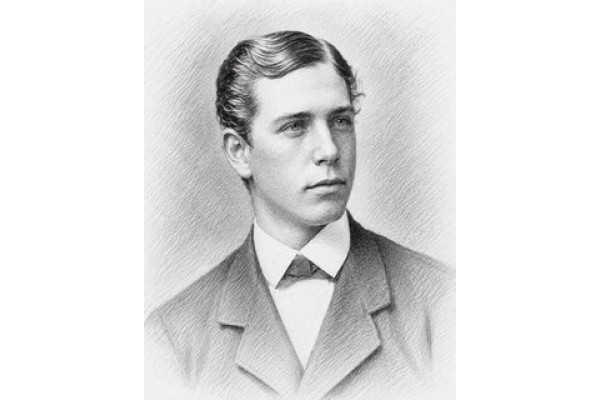
Winthrop Packard was an American naturalist, journalist, and author whose writings encouraged readers to observe and appreciate the beauty of the natural world. Born in Massachusetts in 1862, Packard combined scientific curiosity with a graceful literary style, producing books that celebrated birds, forests, meadows, rivers, and the changing seasons. Explore Winthrop Packard books to discover the author's life, literary career, and access notable works, including Wild Pastures, Florida trails, Wood Wanderings, Wildwood Ways , and more.