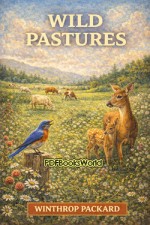
Wildwood Ways
by Winthrop Packard
A Naturalist's Journey Through Woodland Life
Wildwood Ways by Winthrop Packard is a charming work of nature writing that invites readers into the forests, fields, and quiet corners of the American countryside. Known for his keen observations of wildlife and his ability to bring the natural world vividly to life, Packard explores the habits of animals, the beauty of changing seasons, and the intricate relationships that exist within woodland ecosystems.
Rather than presenting nature as a distant scientific subject, Packard approaches it as a living community filled with fascinating creatures and constant activity. His observations reveal a world that often goes unnoticed by casual observers but rewards those who take the time to look carefully.
The book is both an engaging account of outdoor exploration and a celebration of the wonders of nature.
The Woodland as a Living World
Throughout the book, the forest is portrayed as a vibrant and interconnected environment. Every tree, stream, and thicket provides shelter and opportunity for countless forms of life.
Packard encourages readers to view the woods not as a collection of isolated features but as a complex and dynamic community. Birds, mammals, insects, and plants all play roles in maintaining the balance of the natural world.
This perspective helps foster a deeper appreciation for ecological relationships.
Observing Wildlife
A major strength of Wildwood Ways is its attention to animal behavior. Packard spent countless hours observing wildlife in its natural surroundings, and his descriptions reflect patience, curiosity, and respect.
Readers encounter:
- Birds building nests and raising young.
- Mammals moving through forests and fields.
- Seasonal changes in animal activity.
- The strategies creatures use for survival.
These observations transform ordinary wildlife into fascinating subjects of study and admiration.
The Changing Seasons
The progression of the seasons plays an important role throughout the book. Packard shows how woodland life changes from spring to summer, autumn, and winter.
Each season brings its own rhythms and challenges. Migration, nesting, hibernation, and the search for food all contribute to the ongoing cycle of life in the wild. Through these descriptions, readers gain an understanding of nature's continual process of renewal and adaptation.
The seasonal structure adds variety and depth to the narrative.
Winthrop Packard's Love of Nature
Winthrop Packard was one of America's most respected nature writers during the early twentieth century. His works combined accurate observation with a literary style that made natural history accessible to a broad audience.
In Wildwood Ways, Packard writes with enthusiasm and affection for the outdoor world. His goal is not merely to provide information but to encourage readers to develop their own appreciation for nature through direct observation.
This passion for the natural world is evident on every page.
The Value of Patient Observation
A recurring theme in the book is the importance of careful attention. Packard suggests that many of nature's most interesting secrets reveal themselves only to those who are willing to watch quietly and patiently.
He demonstrates how even familiar landscapes can become sources of endless discovery when approached with curiosity. This message encourages readers to engage more thoughtfully with their surroundings.
The book serves as both a guide to nature and a lesson in observation.
Conservation and Appreciation
Although written before the modern environmental movement, the work reflects an appreciation for the importance of preserving natural habitats. Packard's descriptions foster respect for wildlife and an awareness of the delicate balance that sustains woodland communities.
By encouraging readers to understand and value nature, the book contributes to a broader tradition of conservation-minded literature.
Its message remains relevant in an era of increasing concern for environmental stewardship.
Final Thoughts
Wildwood Ways by Winthrop Packard is a delightful exploration of woodland life, wildlife behavior, and the changing seasons. Through careful observation and engaging prose, Packard reveals the beauty and complexity of the natural world while inspiring readers to look more closely at the environments around them.
For readers interested in nature writing, wildlife observation, environmental appreciation, and classic outdoor literature, this book offers a rewarding and enlightening journey into the heart of the wild woods.
Similar Genres
About the Author
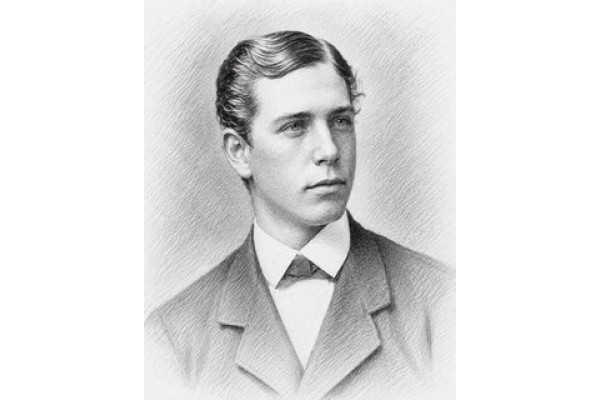
Winthrop Packard was an American naturalist, journalist, and author whose writings encouraged readers to observe and appreciate the beauty of the natural world. Born in Massachusetts in 1862, Packard combined scientific curiosity with a graceful literary style, producing books that celebrated birds, forests, meadows, rivers, and the changing seasons. Explore Winthrop Packard books to discover the author's life, literary career, and access notable works, including Wild Pastures, Florida trails, Wood Wanderings, Woodland Paths , and more.