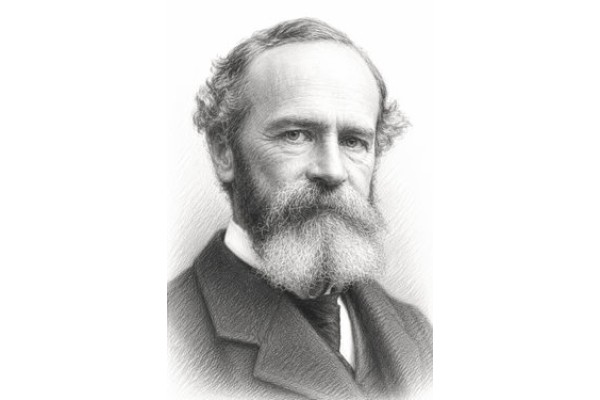
William James
William James was an American philosopher, psychologist, physician, and author whose pioneering ideas laid the foundations of modern psychology and profoundly influenced philosophy, education, and the study of human experience. Born in New York City in 1842, James became one of the leading thinkers of the late nineteenth and early twentieth centuries and is widely regarded as the father of American psychology. His writings explored consciousness, emotion, religion, free will, habit, and the nature of truth, combining scientific inquiry with philosophical insight. Through his groundbreaking work, James transformed the understanding of the human mind and inspired generations of scholars around the world.
Exploring the Mind and Human Experience
William James believed that knowledge should be grounded in experience and tested by its practical consequences, a philosophy that became known as pragmatism. His books examined the workings of consciousness, the formation of habits, the psychology of belief, religious experience, and the complexities of human behavior with remarkable clarity and originality. Blending scientific observation with philosophical reflection, James encouraged readers to approach life's questions with curiosity, open-mindedness, and intellectual rigor. His interdisciplinary approach continues to influence psychology, philosophy, neuroscience, and education.
Beyond his academic achievements, James was a gifted lecturer whose accessible writing introduced complex ideas to a broad audience. His enduring contributions established psychology as an independent scientific discipline while reshaping modern philosophical thought.
Essential Works
- The Principles of Psychology is James's monumental work, establishing many of the fundamental concepts of modern psychology through comprehensive analysis of the human mind and behavior.
- The Varieties of Religious Experience explores faith, spirituality, and religious belief through psychological observation and philosophical inquiry.
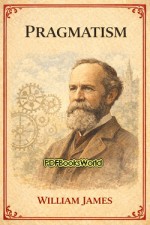
- Pragmatism presents James's influential philosophical lectures explaining truth, knowledge, and the practical value of ideas.
- Talks to Teachers on Psychology applies psychological principles to education, offering practical guidance for teachers and students.
- The Meaning of Truth expands upon his pragmatic philosophy, examining the nature of truth, belief, and human understanding.
- The Will to Believe is a celebrated collection of essays exploring belief, ethics, religion, and the role of personal choice in human life.
An Enduring Legacy in Psychology and Philosophy
William James's writings continue to inspire readers through their intellectual depth, scientific curiosity, and practical wisdom. From The Principles of Psychology and The Varieties of Religious Experience to Pragmatism, The Meaning of Truth, and The Will to Believe, his works remain foundational texts in psychology and philosophy. His enduring legacy continues to shape the study of the human mind while encouraging thoughtful reflection on knowledge, belief, and the nature of experience.
If you enjoy psychology, philosophy, education, and classic works that explore consciousness, belief, and human behavior, the writings of William James are well worth exploring. At PDFBooksWorld, you can discover a carefully curated collection of his enduring works and experience the ideas of one of America's greatest philosophers and pioneering psychologists.