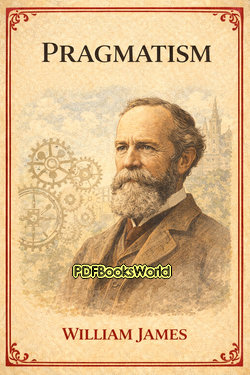
Pragmatism
by William James
A Groundbreaking Philosophy Focused on Practical Truth and Human Experience
Pragmatism by William James is one of the most influential philosophical works of the modern era. In this important book, James introduces and explains the philosophical approach known as pragmatism, which argues that ideas and beliefs should be judged by their practical effects and usefulness in real life rather than by abstract theory alone.
Combining philosophy, psychology, science, and everyday reasoning, the book challenged traditional ways of thinking and helped shape modern discussions about truth, belief, and human experience.
What Is Pragmatism?
Pragmatism is based on the idea that the value of an idea depends on how it works in practice. William James argues that philosophical questions should not remain trapped in abstract debate disconnected from human life.
Instead, beliefs should be examined according to their practical consequences, usefulness, and ability to help people understand and navigate reality.
For James, truth is not simply a fixed abstract concept. Ideas become meaningful when they prove themselves through experience and action.
The Main Ideas Explored in the Book
Pragmatism discusses several major philosophical questions and debates.
- The nature of truth and belief
- The relationship between ideas and practical experience
- The value of human action and experimentation
- The conflict between rigid systems and flexible thinking
- The role of individual experience in understanding reality
These discussions helped make pragmatism one of the most influential philosophical movements in America.
Philosophy Connected to Everyday Life
One reason the book became so influential is James’s belief that philosophy should remain connected with ordinary human experience. Rather than treating philosophy as purely theoretical, he focuses on real decisions, human behavior, and practical outcomes.
James argues that different beliefs may be meaningful if they help individuals live more effectively, understand experience more clearly, or solve practical problems.
This flexible and human-centered approach distinguished pragmatism from many earlier philosophical systems.
Religion, Science, and Human Freedom
The book also explores how pragmatism relates to religion, science, morality, and personal freedom. James suggests that people should remain open-minded and willing to evaluate beliefs according to lived experience rather than strict dogma.
His philosophy encourages intellectual flexibility, experimentation, and tolerance for differing perspectives.
This approach helped pragmatism appeal to readers interested in both scientific reasoning and personal meaning.
The Writing Style of William James
William James writes in a lively, conversational, and accessible style unusual for philosophical works. He avoids overly technical language whenever possible and frequently uses examples drawn from ordinary life.
His enthusiasm and intellectual curiosity make complex philosophical ideas easier to understand for general readers.
The book often feels energetic and personal rather than distant or academic.
Why Pragmatism Still Matters Today
Pragmatism remains important because its ideas continue to influence philosophy, psychology, education, politics, and modern discussions about truth and belief.
For readers interested in philosophy, critical thinking, psychology, and intellectual history, William James’s work offers a practical and thought-provoking approach to understanding ideas through human experience and real-world consequences.
Similar Genres
About the Author
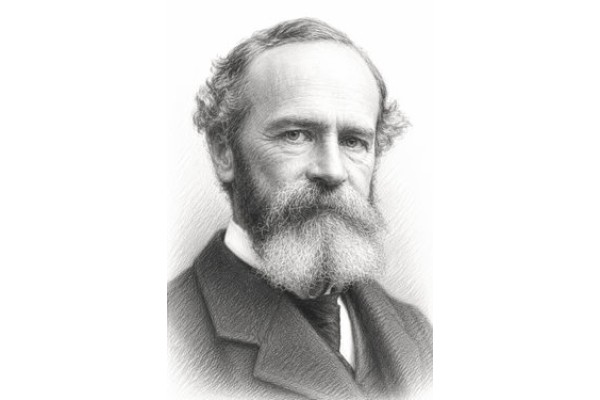
William James was an American philosopher, psychologist, physician, and author whose pioneering ideas laid the foundations of modern psychology and profoundly influenced philosophy, education, and the study of human experience. Explore William James books to discover the author's life, literary career, and access notable works, including The Will to Believe, and Other Essays in Popular Philosophy , and more.