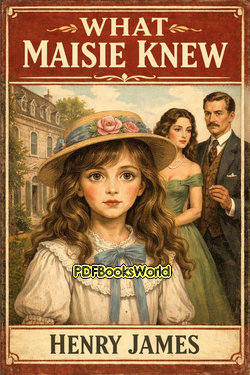
What Maisie Knew
by Henry James
A Child’s Innocent Eyes Reveal the Painful Truths of the Adult World
What Maisie Knew by Henry James is a powerful psychological novel that explores divorce, neglect, morality, and emotional growth through the perspective of a young girl. Considered one of James’s most emotionally complex works, the novel examines how children quietly observe and absorb the selfishness and dishonesty of the adults around them.
Rather than focusing on dramatic events alone, Henry James carefully studies emotional relationships, social behavior, and the gradual loss of innocence. Through Maisie’s experiences, the novel reveals the emotional damage caused by irresponsible parenting and personal betrayal.
The result is both a sensitive coming-of-age story and a sharp critique of adult behavior and social morality.
A Child Caught Between Divided Parents
The story begins after the bitter divorce of Maisie Farange’s parents, Beale and Ida Farange. Instead of protecting their daughter, both parents treat Maisie as a tool for revenge and emotional manipulation.
Maisie is passed back and forth between households filled with arguments, secrets, romantic affairs, and emotional instability. As she grows older, she gradually begins to understand the truth about the adults surrounding her.
Henry James presents these events through Maisie’s perspective, allowing readers to experience both her innocence and her growing awareness.
Important Characters in the Novel
Characters
- Maisie Farange
A sensitive and intelligent child trying to understand the confusing world of adults. - Ida Farange
Maisie’s selfish and emotionally careless mother. - Beale Farange
Maisie’s irresponsible father, more interested in pleasure than parenting. - Mrs. Wix and Sir Claude
Two important figures who influence Maisie’s emotional development in very different ways.
The emotional relationships between these characters shape Maisie’s understanding of trust, love, and morality.
A Psychological and Emotionally Subtle Writing Style
Henry James uses a highly psychological style in What Maisie Knew, focusing closely on perception, emotional confusion, and gradual understanding. Much of the drama develops through conversation, implication, and hidden meaning rather than direct explanation.
The novel’s greatest strength is its ability to show the adult world through a child’s limited but emotionally sensitive perspective. Readers often recognize truths before Maisie fully understands them herself.
This subtle approach creates both emotional tension and deep psychological realism.
Main Themes Explored Throughout the Story
Themes
- Childhood Innocence and Emotional Growth
Maisie slowly learns painful truths about love, selfishness, and adult relationships. - Parental Neglect and Responsibility
The novel criticizes adults who fail to protect and care for children properly. - Moral Confusion and Emotional Manipulation
Maisie is surrounded by dishonesty, unstable relationships, and conflicting values. - The Search for Genuine Affection
The story explores Maisie’s need for emotional security and sincere human connection.
These themes give the novel emotional depth and lasting psychological power.
One of Henry James’s Most Insightful Novels
What Maisie Knew is admired for its remarkable psychological insight and emotional subtlety. Henry James captures the quiet intelligence of childhood while exposing the moral failures of the adult world.
The novel also demonstrates James’s extraordinary skill for portraying emotional complexity without dramatic exaggeration. Small conversations and everyday interactions gradually reveal deep emotional truths.
Maisie herself remains one of the most memorable and sympathetic child characters in literary fiction.
Why the Novel Still Feels Powerful Today
Even today, What Maisie Knew continues to resonate because its themes remain deeply relevant. Modern readers still recognize the emotional effects of divorce, parental conflict, and emotional neglect on children.
The novel also feels modern in its psychological realism and careful exploration of family relationships. James portrays emotional confusion and vulnerability with extraordinary sensitivity.
For readers interested in literary classics, psychological fiction, and emotionally intelligent storytelling, this novel remains moving, insightful, and unforgettable.
Similar Genres
About the Author
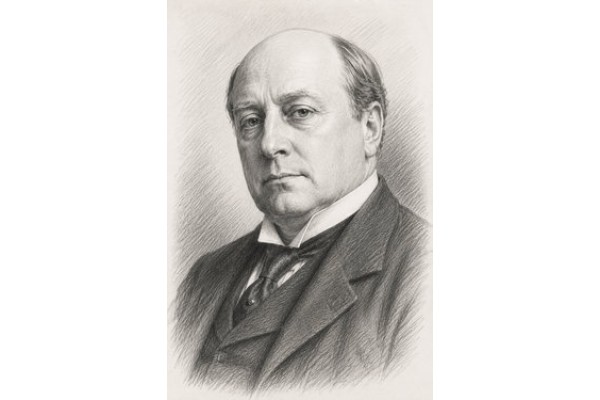
Henry James was one of the most influential novelists of the late nineteenth and early twentieth centuries, renowned for bringing exceptional psychological depth to fiction. Born in New York in 1843, he later settled in Europe, where his experiences shaped a distinctive literary voice that blended American perspectives with European culture. Explore Henry James books to discover the author's life, literary career, and access notable works, including Daisy Miller - A Study, The Turn of the Screw, The Point of View, The Pension Beaurepas , and more.