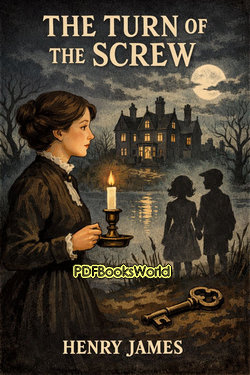
The Turn of the Screw
by Henry James
A Chilling Gothic Masterpiece Filled with Psychological Horror and Supernatural Mystery
The Turn of the Screw by Henry James is one of the most famous and unsettling ghost stories in English literature. Combining gothic atmosphere, psychological tension, mystery, and emotional uncertainty, the novella continues to fascinate readers with its haunting ambiguity and deeply disturbing sense of fear.
First published in the late nineteenth century, the story follows a young governess who is hired to care for two children at a remote country estate. As strange events begin to unfold, she becomes convinced that supernatural forces are threatening the children under her protection. What makes the story especially powerful is the uncertainty surrounding the truth of these experiences.
The novella remains a classic of psychological horror because it leaves readers questioning whether the ghosts are real or whether the terror exists mainly within the mind of the narrator.
The Story and Setting of Bly Manor
The story takes place at Bly, an isolated English country house filled with silence, beauty, and growing unease. The governess arrives expecting a peaceful position caring for two seemingly charming children, Miles and Flora.
At first, the children appear intelligent, innocent, and remarkably well-behaved. However, the atmosphere gradually becomes darker as the governess begins to notice strange figures around the estate.
She soon believes that the ghosts of two former servants, Peter Quint and Miss Jessel, are haunting Bly and attempting to influence the children in dangerous ways.
The isolated setting plays a major role in creating suspense. The quiet gardens, empty hallways, distant towers, and lonely lake all contribute to the unsettling mood that surrounds the story.
Main Characters in the Novella
The emotional and psychological tension of the story is built through a small group of memorable characters.
- The Governess serves as the narrator and central figure whose perceptions shape the entire story
- Miles is the intelligent and mysterious young boy whose behavior raises troubling questions
- Flora appears innocent and gentle but may know more than she reveals
- Mrs. Grose is the loyal housekeeper who listens to the governess's fears and suspicions
- Peter Quint is the disturbing ghostly figure connected with corruption and manipulation
- Miss Jessel is the tragic former governess whose spirit seems tied to Bly Manor
The relationships between these characters create uncertainty and emotional tension throughout the novella.
Main Themes Explored Throughout the Story
The Turn of the Screw explores several themes that continue to make the novella important in gothic and psychological literature.
- The uncertainty between reality and imagination
- Fear, paranoia, and psychological instability
- The corruption of innocence and hidden emotional darkness
- Isolation and emotional pressure within a confined environment
- The influence of fear on perception and judgment
These themes help create a story where emotional tension becomes more frightening than direct violence or action.
Why Readers Continue to Debate the Meaning of the Novella
One of the main reasons the novella remains famous is its ambiguity. Henry James never clearly explains whether the ghosts truly exist or whether the governess is imagining the supernatural events.
Some readers interpret the story as a genuine ghost tale, while others believe the governess suffers from emotional instability, fear, or obsession.
This uncertainty has encouraged generations of readers, critics, and scholars to debate the meaning of the story. The novella becomes more disturbing because the truth is never fully confirmed.
The psychological complexity of the narrative helped influence many later horror stories and psychological thrillers.
The Writing Style of Henry James
Henry James writes with careful detail, emotional intensity, and subtle psychological observation. His prose often focuses on thoughts, perceptions, and emotional reactions rather than fast-moving action.
The slow pacing allows tension to grow gradually, creating an atmosphere of fear and uncertainty that becomes increasingly powerful as the story progresses.
James also uses indirect language and suggestion rather than explicit horror, allowing readers to imagine much of the terror for themselves.
The result is a deeply atmospheric and intellectually engaging reading experience.
A Timeless Gothic Novel of Fear and Psychological Suspense
Classic gothic fiction continues to remain meaningful because it explores fear, uncertainty, isolation, and hidden emotional conflict through imaginative storytelling and psychological depth.
The Turn of the Screw by Henry James remains one of the greatest ghost stories ever written, celebrated for its haunting atmosphere, complex characters, and unforgettable psychological mystery that continues to disturb and fascinate readers around the world.
Similar Genres
About the Author
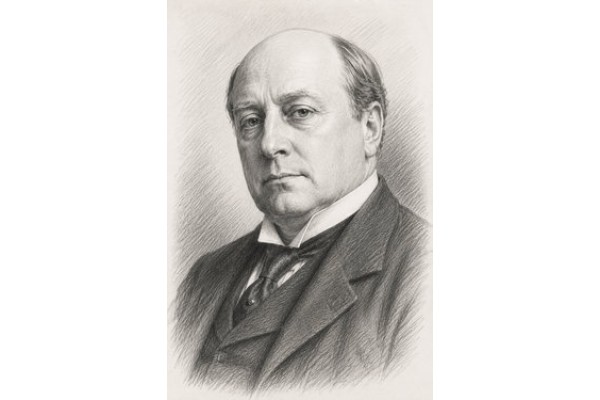
Henry James was one of the most influential novelists of the late nineteenth and early twentieth centuries, renowned for bringing exceptional psychological depth to fiction. Born in New York in 1843, he later settled in Europe, where his experiences shaped a distinctive literary voice that blended American perspectives with European culture. Explore Henry James books to discover the author's life, literary career, and access notable works, including Daisy Miller - A Study, The Point of View, The Pension Beaurepas, The Path Of Duty , and more.