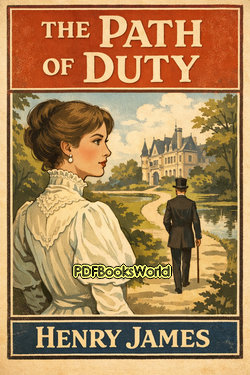
The Path Of Duty
by Henry James
When Personal Desire Collides With Social Obligation
In The Path of Duty, Henry James examines the emotional cost of responsibility through a story shaped by sacrifice, restraint, and moral expectation. The novella centers on characters forced to choose between private happiness and public duty, a conflict James portrays with remarkable psychological delicacy.
Rather than presenting dramatic confrontations, the story unfolds through emotional hesitation, social pressure, and carefully controlled behavior. The tension comes from what characters feel unable to do as much as from what they actually choose.
A Life Directed by Obligation
The narrative follows a man whose future appears shaped less by personal freedom than by inherited expectations and family responsibility. Opportunities for emotional fulfillment emerge, yet every possibility becomes complicated by questions of honor, social position, and obligation to others.
As relationships deepen, the protagonist struggles between emotional sincerity and the rigid demands placed upon him by society and tradition. James portrays duty not as heroic certainty, but as something emotionally exhausting and morally ambiguous.
The story gradually reveals how loyalty and sacrifice can quietly reshape an entire life.
Figures Moving Through the Emotional Conflict
- The Central Protagonist
A thoughtful individual attempting to reconcile private desire with public responsibility. - The Woman Connected to His Emotional Life
Her presence intensifies the conflict between personal happiness and moral obligation. - Family and Social Influences
Representatives of tradition, expectation, and the social order governing personal decisions.
James carefully avoids simple moral judgments, allowing emotional complexity to remain at the center of the narrative.
The Quiet Weight of Moral Decisions
One of the novella’s most striking qualities is its emotional restraint. James shows how major life decisions often happen quietly through hesitation, compromise, and inward conflict rather than dramatic declarations.
The characters frequently speak in measured, polite language, yet beneath these conversations lies deep emotional pressure. Silence itself becomes meaningful.
This understated style gives the story a realistic emotional intensity that continues to feel modern.
Ideas That Shape the Novella
- Duty Versus Personal Freedom
The story explores how obligation can limit emotional fulfillment and individual choice. - Honor and Social Expectation
Characters are shaped by the moral standards and traditions surrounding them. - Emotional Sacrifice
James examines the quiet pain created when people deny personal desire for the sake of responsibility. - Inner Conflict and Restraint
The novella focuses on emotional tension hidden beneath controlled social behavior.
Henry James and the Psychology of Responsibility
The Path of Duty reflects James’s deep interest in moral psychology. He portrays ethical decisions not as abstract ideas, but as emotionally difficult experiences shaped by fear, loyalty, affection, and social pressure.
The novella also demonstrates James’s ability to create emotional depth through suggestion and atmosphere rather than dramatic action. Readers experience the characters’ emotional struggles gradually through observation and reflection.
Why the Story Still Feels Relevant
Modern readers continue to connect with The Path of Duty because its central conflict remains universal. Many people still face difficult choices between personal happiness and responsibility toward family, career, or society.
The novella’s psychological realism also feels contemporary. James understands that emotional conflict is often subtle, uncertain, and deeply private.
For readers drawn to reflective literary fiction, moral complexity, and emotionally restrained storytelling, this work remains thoughtful, elegant, and quietly powerful.
Similar Genres
About the Author
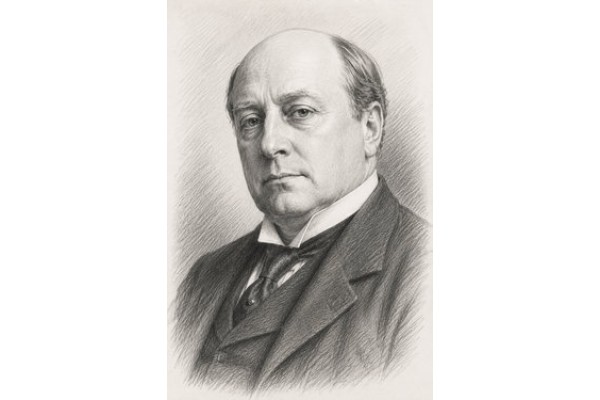
Henry James was one of the most influential novelists of the late nineteenth and early twentieth centuries, renowned for bringing exceptional psychological depth to fiction. Born in New York in 1843, he later settled in Europe, where his experiences shaped a distinctive literary voice that blended American perspectives with European culture. Explore Henry James books to discover the author's life, literary career, and access notable works, including Daisy Miller - A Study, The Turn of the Screw, The Point of View, The Pension Beaurepas , and more.