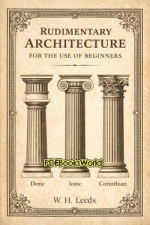
W. H. Leeds
W. H. Leeds was a British architect, architectural writer, and educator who devoted much of his career to explaining the principles of architecture in a clear and practical manner. At a time when professional training in architecture was becoming increasingly organized, Leeds helped make the subject more accessible through instructional books designed for students, apprentices, and general readers. His writings emphasized that successful architecture required a balance of artistic vision, sound engineering, and careful planning. By presenting complex ideas in an understandable way, he encouraged a wider appreciation of architectural design and construction.
Beginning a Career in Architecture
William Henry Leeds developed a strong interest in architecture during a period of rapid urban growth and technological advancement. New building methods, expanding cities, and changing architectural styles created opportunities for architects to rethink the design of homes, public buildings, and places of worship. Leeds became actively involved in both architectural practice and education, believing that good design should be supported by a solid understanding of fundamental principles.
His professional experience gave him practical knowledge of building construction, architectural drawing, and design, all of which became central themes in his published works.
Teaching the Basics of Good Design
One of Leeds' greatest strengths was his ability to explain architectural concepts in language that beginners could easily understand. He recognized that many aspiring architects needed clear guidance before tackling more advanced topics. His books introduced readers to the essential elements of architecture, including proportion, symmetry, building materials, structural design, and decorative features.
Rather than overwhelming students with technical detail, he built each topic gradually, allowing readers to develop confidence as they progressed. This practical teaching approach made his books valuable resources for self-study as well as formal instruction.
Notable Works
- Rudimentary Architecture for the Use of Beginners – An introductory guide explaining the basic principles of architecture, building design, and construction for students and newcomers to the profession.
- Elementary Studies in Architectural Design – A practical work introducing the fundamentals of planning, proportion, and architectural composition.
- Architectural Drawing and Construction – An instructional guide covering drafting techniques and essential construction methods.
- Lectures on Building Design – Educational writings discussing architectural styles, structural planning, and professional practice.
Writing That Simplified Complex Ideas
Leeds wrote with clarity and precision, avoiding unnecessary technical language whenever possible. His explanations were carefully organized, helping readers understand each concept before moving on to more advanced subjects. Practical examples and logical progression allowed beginners to see how individual design principles came together in complete architectural projects.
His instructional style reflected his belief that architecture could be learned through careful observation, study, and consistent practice. This made his books especially useful for students preparing to enter the profession.
Helping Shape Architectural Education
W. H. Leeds contributed to architectural education by making professional knowledge available to a broader audience. His publications supported students, apprentices, and builders who wished to improve their understanding of design and construction. During a time when architectural education was becoming more formalized, his books served as practical introductions that complemented classroom instruction and workplace experience.
His work also encouraged readers to appreciate architecture as both an artistic discipline and a technical profession. By emphasizing the importance of careful planning and sound construction, he promoted standards that continue to influence architectural education today.
Why W. H. Leeds Is Still Remembered
W. H. Leeds is remembered as an educator who helped simplify the study of architecture for countless beginners. His practical approach, clear explanations, and commitment to sound design principles made his books valuable learning resources for generations of students. While Rudimentary Architecture for the Use of Beginners remains his best-known publication, it reflects his broader dedication to making architectural knowledge understandable, practical, and accessible to anyone interested in the art and science of building.
Readers exploring classic works on architecture and design at PDF Books World can discover W. H. Leeds' publications and gain a deeper understanding of the timeless principles that continue to shape well-designed buildings around the world.