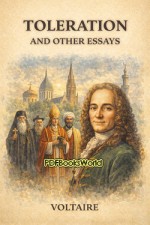
Voltaire
Voltaire, born François-Marie Arouet, was a French philosopher, historian, playwright, essayist, and one of the most influential writers of the Enlightenment. Born in Paris in 1694, Voltaire became renowned for his wit, eloquent prose, and fearless criticism of intolerance, injustice, and abuse of power. Through his philosophical writings, historical works, and satirical fiction, he championed reason, freedom of thought, religious tolerance, and civil liberties. His remarkable literary career profoundly shaped European intellectual life and continues to influence philosophy, politics, and literature around the world.
Championing Reason, Liberty, and Tolerance
Voltaire believed that knowledge, reason, and open discussion were essential to human progress. His books explored philosophy, religion, history, politics, and society while exposing superstition, fanaticism, and oppression through sharp satire and compelling argument. Blending intellectual depth with literary elegance, he encouraged readers to question established authority and defend individual freedom. His clear, engaging style made complex philosophical ideas accessible to a broad audience and established him as one of the defining voices of the Enlightenment.
Beyond his literary achievements, Voltaire maintained an extensive correspondence with scholars, rulers, and fellow philosophers throughout Europe. His lifelong pursuit of justice, intellectual freedom, and human rights secured his place among history's greatest thinkers.
Essential Works
- Candide is Voltaire's celebrated philosophical novel, using wit and satire to challenge blind optimism while examining war, religion, human suffering, and the pursuit of happiness.
- Toleration and Other Essays presents Voltaire's influential writings advocating religious freedom, civil liberties, justice, and the importance of reason over fanaticism.
- Letters on England offers insightful observations on English politics, religion, science, and society, highlighting the values of liberty and intellectual inquiry.
- The Age of Louis XIV is a masterful historical study examining the political, cultural, and artistic achievements of seventeenth-century France.
- Philosophical Dictionary is a collection of thought-provoking essays exploring religion, philosophy, morality, history, and human nature through Voltaire's characteristic wit.
- Zadig is a philosophical tale blending adventure and satire to explore fate, justice, wisdom, and the search for truth.
An Enduring Legacy in Philosophy and Literature
Voltaire's writings continue to inspire readers through their intellectual brilliance, wit, and enduring commitment to freedom of thought. From Candide and Toleration and Other Essays to Philosophical Dictionary, Letters on England, and Zadig, his works remain essential classics of philosophy, literature, and political thought. His enduring legacy continues to influence discussions on human rights, religious tolerance, democracy, and the importance of reason in public life.
If you enjoy philosophy, Enlightenment literature, political thought, and classic works that champion liberty and critical thinking, the writings of Voltaire are well worth exploring. At PDFBooksWorld, you can discover a carefully curated collection of his enduring works and experience the ideas of one of history's greatest philosophers and literary masters.

Candide
Voltaire