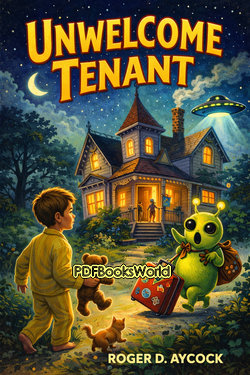
Unwelcome Tenant
by Roger D. Aycock
Alien Parasites, Human Freedom, and the Fear of Hidden Control
Unwelcome Tenant by Roger D. Aycock, writing under the pseudonym Roger Dee, is a psychologically imaginative science fiction story exploring identity, hidden domination, and humanity’s struggle for intellectual freedom. First published in Planet Stories in 1950, the tale combines space exploration with unsettling philosophical speculation about consciousness, individuality, and unseen parasitic influence.
Aycock presents outer space not simply as a frontier of scientific conquest, but as a terrifying arena where humanity may discover that its thoughts, instincts, and ambitions have never been entirely its own.
A Journey Toward Mars
The story follows Robert Maynard, a space traveler making a solitary voyage toward Mars. During the mission, he experiences a shocking transformation when he realizes that an invisible parasitic intelligence, referred to as a “Tenant,” has inhabited his mind and influenced human existence throughout his life.
Once separated from this hidden mental occupant, Maynard suddenly feels an extraordinary expansion of awareness and intelligence. Freed from the limitations previously imposed upon him, he experiences intense emotional liberation and begins imagining a future where humanity might evolve beyond invisible mental domination.
However, his optimism gradually turns into dread as he begins suspecting that these parasitic intelligences may exist throughout the Solar System, including on Mars itself.
Rather than portraying alien contact as exciting discovery alone, the story transforms it into a deeply psychological threat capable of undermining free will and personal identity.
The volume reflects classic postwar science fiction fascination with mind control, hidden invasion, and the uncertain boundaries of human consciousness.
Its tone combines suspense, paranoia, philosophical speculation, and cosmic unease.
Characters
- Robert Maynard: A pioneering astronaut whose journey becomes both physical expedition and psychological awakening.
- The Tenants: Invisible parasitic intelligences secretly influencing human thought and behavior.
- Human Civilization: Presented as an unsuspecting species potentially controlled by hidden external forces.
The Fear of Invisible Control
A major theme throughout the story is the terrifying possibility that human beings may not fully control their own minds or destinies. Aycock repeatedly explores how hidden influences can shape behavior, ambition, and civilization without humanity ever recognizing the manipulation.
The work also reflects Cold War-era anxieties concerning conformity, ideological control, and the loss of individual freedom within powerful systems.
This psychological tension gives the narrative unusual depth beyond traditional pulp adventure.
Science Fiction Themes Explored Throughout the Story
- Parasitic Alien Intelligence: Hidden beings influence humanity from within the human mind.
- Freedom and Consciousness: The story questions whether true independence of thought exists.
- Space Exploration and Isolation: Deep-space travel becomes a setting for existential discovery.
- Fear of Mental Control: Invisible domination creates paranoia and uncertainty.
- Human Evolution and Potential: Liberation from limitation hints at greater intellectual possibilities.
The story stands as a memorable example of psychologically oriented pulp science fiction from the early atomic age.
The Horror of Self-Doubt
One of the work’s strongest ideas is that the greatest fear may not come from external monsters, but from uncertainty about one’s own thoughts and identity.
Aycock repeatedly demonstrates how the realization of hidden control destroys emotional certainty and forces painful reconsideration of human freedom.
The story also reveals enduring science fiction fascination with unseen invasions operating through psychological rather than physical domination.
This blend of cosmic mystery and internal horror gives the narrative lasting imaginative power.
Roger D. Aycock’s Psychological Science Fiction Style
Unwelcome Tenant demonstrates Roger D. Aycock’s ability to combine speculative philosophy, suspenseful pacing, and psychological tension into engaging science fiction adventure.
The writing remains vivid, concise, and strongly focused upon maintaining emotional unease and intellectual mystery throughout the story.
Aycock consistently presents the universe as a place where humanity’s greatest threats may remain completely unseen.
Why the Story Still Holds Science Fiction Interest
Modern readers continue finding Unwelcome Tenant compelling because it anticipates later science fiction themes involving mental manipulation, hidden parasitism, and the fragility of personal identity.
The story also provides insight into the psychological anxieties shaping mid-century speculative fiction during the early Cold War period.
Its themes of invisible control, human freedom, paranoia, and consciousness continue appealing to readers interested in thoughtful science fiction with philosophical and psychological depth.
For readers interested in classic pulp science fiction, alien invasion stories, mind-control narratives, psychological speculative fiction, cosmic paranoia, and postwar science fiction themes, this work remains eerie, intelligent, and imaginatively unsettling.
Similar Genres
About the Author
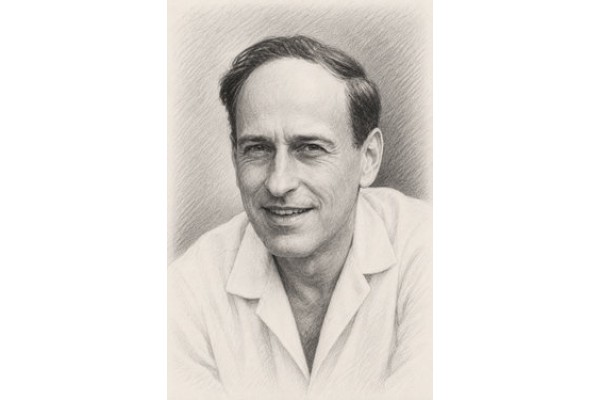
Roger D. Aycock was an American science fiction author whose imaginative short stories earned him recognition during the latter half of the twentieth century. Writing primarily for leading science fiction magazines, Aycock developed a reputation for combining scientific speculation with compelling characters and thought-provoking ideas. Explore Roger D. Aycock books to discover the author's life, literary career, and access notable works, including Oh Mesmerist From Mimas!, Ultimatum, The Frogs of Mars , and more.