Ultimatum
by Roger D. Aycock
Interplanetary Tension, Survival, and the Threat of Cosmic War
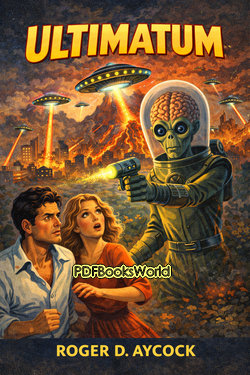
Ultimatum by Roger D. Aycock, writing under the pseudonym Roger Dee, is a tense science fiction story exploring diplomacy, fear, military conflict, and humanity’s struggle to survive under the pressure of overwhelming extraterrestrial power. Published during the golden age of pulp science fiction, the story combines political suspense with speculative imagination while examining how civilizations respond when confronted with impossible demands and the threat of destruction.
Aycock presents the universe not as a peaceful frontier of cooperation, but as a dangerous arena where fear, mistrust, and technological superiority may determine the fate of entire worlds.
A Threat from Beyond Earth
The story centers upon a grave ultimatum delivered by a powerful alien force whose demands place humanity in a position of fear and uncertainty. Political leaders, military authorities, and ordinary individuals must decide whether surrender, resistance, or negotiation offers the only hope of survival.
As tensions escalate, the possibility of catastrophic war grows increasingly real. The pressure of limited time intensifies emotional conflict among characters struggling to balance courage, practicality, and moral responsibility.
The narrative focuses not only upon external danger, but also upon the psychological strain created when entire civilizations confront the possibility of annihilation.
Rather than portraying advanced alien power as noble or enlightened, the story emphasizes how superior technology may become an instrument of intimidation and domination.
The volume reflects Cold War-era anxieties concerning military escalation, nuclear threat, and the fear of destruction through forces beyond ordinary human control.
Its tone combines suspense, urgency, political tension, and speculative drama.
Characters
- The Human Defenders: Individuals attempting to protect humanity while facing overwhelming external pressure.
- The Alien Power: A technologically superior force issuing demands that threaten Earth’s freedom and survival.
- Political and Military Leaders: Authorities forced to make impossible decisions under extreme pressure.
- Scientists and Strategists: Figures searching for solutions capable of preventing disaster.
The Fear of Power Without Mercy
A major theme throughout the story is the vulnerability of civilizations confronted by forces possessing superior power and little compassion. Aycock repeatedly explores how fear may influence political judgment, public behavior, and moral compromise during moments of crisis.
The work also reflects broader mid-twentieth-century fears surrounding global conflict, authoritarian threat, and technological warfare during the early atomic age.
This atmosphere of pressure and uncertainty gives the story much of its dramatic intensity.
Science Fiction Themes Explored Throughout the Story
- Alien Ultimatums and Interplanetary Conflict: Humanity faces demands backed by overwhelming force.
- Fear and Political Decision-Making: Leaders struggle under pressure of possible destruction.
- Technology and Military Power: Advanced science becomes both defense and threat.
- Human Resistance and Survival: Characters confront hopeless odds with determination and ingenuity.
- Cold War Anxiety and Cosmic Warfare: Space conflict reflects fears associated with modern geopolitical tension.
The story reflects many defining characteristics of classic atomic-age science fiction.
The Moral Cost of Survival
One of the work’s strongest ideas is that extreme danger forces individuals and societies to confront difficult moral choices between freedom, compromise, and survival.
Aycock repeatedly demonstrates how fear can weaken unity and judgment while also inspiring courage and resistance.
The story also reveals enduring science fiction fascination with first contact scenarios shaped not by peaceful discovery, but by coercion and existential threat.
This blend of political tension and speculative adventure gives the narrative lasting imaginative appeal.
Roger D. Aycock’s Suspenseful Science Fiction Style
Ultimatum demonstrates Roger D. Aycock’s ability to combine fast-moving action, political suspense, and speculative concepts into engaging science fiction storytelling.
The writing remains direct, energetic, and strongly focused upon maintaining urgency and emotional tension throughout the narrative.
Aycock consistently presents the future as a place where humanity’s greatest challenges may emerge from both technological power and fear itself.
Why the Story Still Holds Science Fiction Interest
Modern readers continue finding Ultimatum compelling because it captures the anxiety and imaginative energy associated with Cold War-era science fiction.
The story also provides insight into mid-century fears concerning invasion, military escalation, nuclear destruction, and humanity’s uncertain future within a hostile universe.
Its themes of survival, political conflict, technological power, and resistance continue appealing to readers who enjoy classic speculative adventure and cosmic suspense.
For readers interested in pulp science fiction, alien invasion stories, Cold War themes, futuristic warfare, interplanetary politics, and classic speculative fiction, this work remains tense, imaginative, and dramatically engaging.
Similar Genres
About the Author

Roger D. Aycock was an American science fiction author whose imaginative short stories earned him recognition during the latter half of the twentieth century. Writing primarily for leading science fiction magazines, Aycock developed a reputation for combining scientific speculation with compelling characters and thought-provoking ideas. Explore Roger D. Aycock books to discover the author's life, literary career, and access notable works, including Oh Mesmerist From Mimas!, Unwelcome Tenant, The Frogs of Mars , and more.