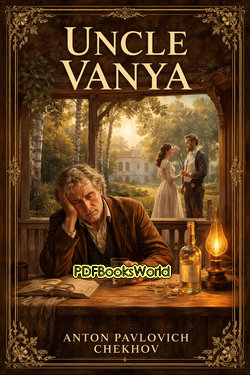
Uncle Vanya
by Anton Pavlovich Chekhov
Uncle Vanya and the Quiet Tragedy of Ordinary Life
In Uncle Vanya: Scenes from Country Life in Four Acts, Anton Pavlovich Chekhov created one of the most emotionally realistic plays in modern theater. Instead of dramatic battles or heroic adventures, the play focuses on disappointment, wasted opportunity, family tension, and the emotional struggles hidden beneath everyday conversation.
What makes Uncle Vanya remarkable is its honesty. Chekhov presents ordinary people confronting frustration, aging, love, and unfulfilled dreams in ways that still feel deeply familiar to modern audiences.
A Drama Built on Human Emotion Rather Than Action
Unlike traditional stage dramas driven by shocking events, Uncle Vanya develops through subtle emotional conflict. Much of the tension comes from conversations, silences, and the growing dissatisfaction among characters trapped in rural isolation and personal disappointment.
The country estate setting creates an atmosphere of stillness and emotional exhaustion, reflecting the inner lives of the characters themselves.
What Makes the Play So Memorable
- Emotionally realistic dialogue and relationships
- Complex characters filled with personal regret
- Subtle psychological tension
- Themes of wasted time and lost ambition
- Balance of sadness, humor, and realism
The Emotional Depth of Uncle Vanya
At the center of the play is Ivan Voynitsky, known as Uncle Vanya, a man who begins questioning the value of his life and sacrifices. His growing bitterness reflects larger themes about unrealized dreams and emotional exhaustion.
Chekhov portrays these emotions without melodrama, allowing small interactions and quiet moments to reveal deeper emotional pain.
Major Themes Explored Throughout the Play
- Regret and lost opportunities
- The search for meaning and purpose
- Loneliness and emotional isolation
- The passing of time and aging
- Unfulfilled love and personal frustration
Why Chekhov’s Realism Changed Modern Theater
Chekhov transformed dramatic writing by showing that ordinary life could hold profound emotional complexity. His characters do not speak like theatrical heroes; they speak like real people struggling with uncertainty and disappointment.
This realistic approach influenced modern acting techniques and inspired generations of playwrights who focused on psychological depth rather than spectacle.
Readers interested in dramatic realism often explore the development of realism in literature and theater to better understand Chekhov’s revolutionary influence on modern drama.
Why Uncle Vanya Still Connects With Modern Audiences
Even today, audiences continue relating to the play because its emotional themes remain timeless. Feelings of frustration, exhaustion, unrealized ambition, and emotional longing are still deeply human experiences.
Chekhov’s ability to capture quiet emotional truth gives the play lasting power, even without dramatic plot twists or grand action scenes.
Reasons the Play Remains Influential
- Deep psychological realism
- Timeless emotional themes
- Natural and believable dialogue
- Influence on modern theater and acting
- Thoughtful exploration of ordinary life
Anton Chekhov’s Lasting Legacy
Anton Chekhov remains one of the most influential playwrights in literary history because of his subtle storytelling and emotional honesty. His works transformed modern theater by proving that human relationships and inner conflict could be just as compelling as dramatic action.
Plays such as Uncle Vanya, The Cherry Orchard, and Three Sisters continue to be performed worldwide because their emotional truths remain universally recognizable.
Final Thoughts
Uncle Vanya remains one of the finest achievements in modern dramatic literature. Through emotional realism, subtle dialogue, and unforgettable characters, Anton Pavlovich Chekhov created a timeless portrait of regret, longing, and the quiet struggles of everyday life. Its lasting emotional depth ensures its continued importance on stages and in literature classrooms around the world.
Similar Genres
About the Author
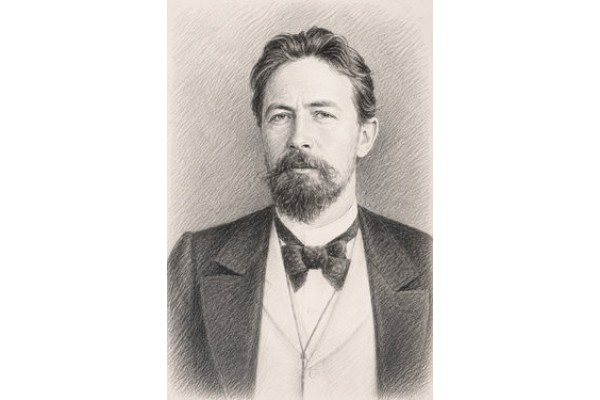
Anton Pavlovich Chekhov was one of Russia's greatest literary figures, celebrated for transforming both the short story and modern drama through his subtle, deeply human storytelling. Born in Taganrog in 1860, Chekhov trained as a physician while pursuing a remarkable literary career, often remarking that medicine was his profession and literature his vocation. Explore Anton Pavlovich Chekhov books to discover the author's life, literary career, and access notable works, including The Sea-Gull, Plays of Anton Pavlovich Chekhov, The Lady With The Dog and Other Stories, Russian Silhouettes , and more.