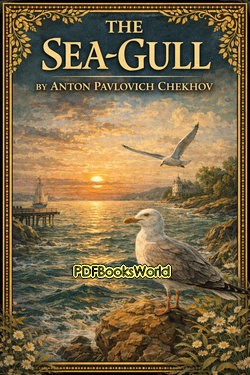
The Sea-Gull
by Anton Pavlovich Chekhov
A Deep and Emotional Drama About Art, Love, and Human Disappointment
The Sea-Gull by Anton Chekhov is one of the most important plays in modern theater. First performed in 1896, the drama explores complex human emotions, artistic ambition, love, and personal frustration through the lives of several interconnected characters living in the Russian countryside.
The play became a landmark work in modern dramatic literature because of its realistic dialogue, emotional subtlety, and focus on ordinary human experiences rather than dramatic action alone. Chekhov’s innovative style transformed twentieth-century theater and influenced countless playwrights around the world.
About the Author
Anton Chekhov was a Russian playwright and short story writer widely regarded as one of the greatest writers in world literature. His works focused on human psychology, emotional complexity, and the quiet struggles of everyday life.
Chekhov’s plays often avoided traditional dramatic structure and instead emphasized atmosphere, character relationships, and emotional realism.
Main Themes of the Play
The Sea-Gull examines the lives of artists, writers, and family members whose dreams and relationships become filled with disappointment, jealousy, and emotional conflict.
Important Themes Discussed
- Artistic ambition and failure
- Love and emotional longing
- Isolation and disappointment
- The conflict between youth and experience
The characters struggle to find meaning, happiness, and recognition while dealing with emotional uncertainty and personal frustration.
The Symbolism of the Sea-Gull
The image of the sea-gull becomes an important symbol throughout the play. It represents freedom, vulnerability, artistic dreams, and emotional destruction.
Through the experiences of characters such as Konstantin Treplev and Nina, Chekhov explores the emotional costs of ambition, rejection, and unfulfilled desire.
What Makes the Play Unique
- Realistic and emotionally subtle dialogue
- Complex psychological characters
- Strong influence on modern theater
Writing Style
Chekhov’s writing style is natural, thoughtful, and deeply emotional. Instead of relying on dramatic events, he focuses on conversations, silence, and emotional tension between characters.
The play’s realistic atmosphere and understated emotions helped create a new style of dramatic storytelling.
Historical Importance
The Sea-Gull became one of the defining works of modern Russian theater and literary realism. Its innovative approach to character and emotion transformed stage performance and influenced playwrights such as Tennessee Williams and Arthur Miller.
Historical Features
- Development of psychological realism in drama
- Influence on twentieth-century theater
- Exploration of artistic and emotional struggles
The play also reflected cultural and intellectual changes in late nineteenth-century Russian society.
Lessons for Modern Readers
Modern readers and audiences continue to connect with the play’s exploration of ambition, love, insecurity, and emotional disappointment. The characters’ struggles remain relatable because they reflect universal human desires and fears.
The play also encourages reflection on creativity, relationships, and the challenges of finding purpose and recognition in life.
Conclusion
The Sea-Gull by Anton Chekhov remains a masterpiece of modern drama and psychological realism. Through subtle emotion, complex characters, and thoughtful storytelling, Chekhov created a timeless play that continues to influence theater and captivate audiences around the world.
Similar Genres
About the Author
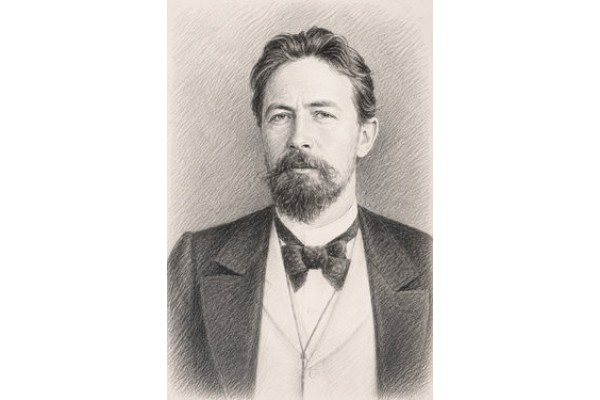
Anton Pavlovich Chekhov was one of Russia's greatest literary figures, celebrated for transforming both the short story and modern drama through his subtle, deeply human storytelling. Born in Taganrog in 1860, Chekhov trained as a physician while pursuing a remarkable literary career, often remarking that medicine was his profession and literature his vocation. Explore Anton Pavlovich Chekhov books to discover the author's life, literary career, and access notable works, including Plays of Anton Pavlovich Chekhov, Uncle Vanya, The Lady With The Dog and Other Stories, Russian Silhouettes , and more.