Uncle Tom's Cabin
by Harriet Beecher Stowe
The Powerful Social Impact of Uncle Tom’s Cabin
Uncle Tom’s Cabin by Harriet Beecher Stowe is one of the most influential novels in American history. First published in the nineteenth century, the book exposed the cruelty of slavery through emotional storytelling and unforgettable characters. Its powerful message helped shape public opinion and became an important literary work in the fight against slavery in the United States.
The novel combines drama, family struggles, moral conflict, and social criticism to reveal the human cost of slavery. Even today, the book remains significant because of its historical importance and emotional impact.
A Story That Changed Public Opinion
The novel follows several enslaved characters whose lives are shaped by separation, injustice, and survival. Through these stories, Harriet Beecher Stowe challenged readers to confront the realities of slavery at a time when the issue deeply divided American society.
- Exposed the brutality of slavery
- Focused on human emotion and family separation
- Reached a massive international audience
- Influenced political and social discussions
- Became a landmark of protest literature
Readers interested in the historical background of the novel can learn more through Encyclopaedia Britannica.
Harriet Beecher Stowe and Her Literary Legacy
Harriet Beecher Stowe was an American author and abolitionist whose writing focused on moral and social issues. She used fiction to address injustice and encourage empathy among readers.
After the publication of Uncle Tom’s Cabin, Stowe became internationally famous. The novel sold widely across America and Europe, helping strengthen anti-slavery movements during the years leading up to the American Civil War.
Major Themes Throughout the Novel
Slavery and Human Suffering
The book presents slavery not as an abstract political issue, but as a human tragedy affecting families, children, and communities.
Faith and Moral Courage
Religious belief plays an important role throughout the novel. Several characters rely on faith and compassion while facing cruelty and injustice.
Freedom and Hope
Many characters dream of freedom and safety despite overwhelming obstacles. Their struggles create much of the emotional power of the story.
The Importance of Compassion
Stowe encourages readers to recognize the humanity and dignity of enslaved people through emotional storytelling and personal relationships.
Why the Book Still Matters Today
Although modern readers sometimes debate aspects of the novel’s portrayal and language, Uncle Tom’s Cabin remains historically important because of its role in American social and political history.
- Important work in American literature
- Connected to abolitionist history
- Explores morality and social justice
- Frequently taught in academic courses
- Demonstrates the power of literature to influence society
Students and literature enthusiasts can also explore additional analysis through SparkNotes and History.com.
The Lasting Cultural Influence of the Novel
The impact of Uncle Tom’s Cabin extended beyond literature into politics, theater, and social activism. The novel inspired stage adaptations, public debates, and discussions about race and human rights throughout the nineteenth century.
Its emotional storytelling demonstrated how fiction could influence public opinion and encourage social change on a national scale.
A Landmark Work in American Literature
Uncle Tom’s Cabin remains one of the most important social novels ever written. Harriet Beecher Stowe used storytelling to challenge injustice and awaken empathy among readers. More than a century later, the novel continues to be studied for both its literary significance and its historical impact on American society.
Similar Genres
About the Author
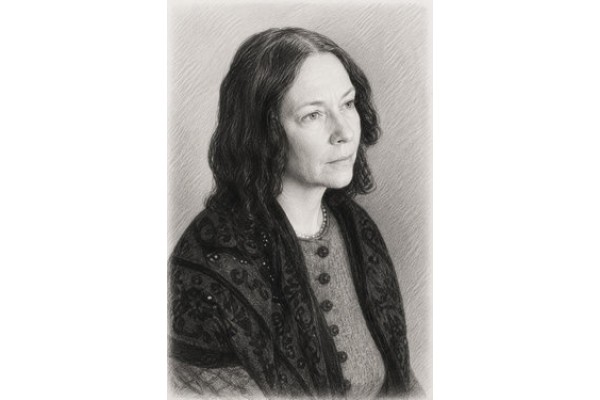
Harriet Beecher Stowe was an American novelist, abolitionist, and educator whose powerful storytelling changed the course of literary and social history. Born in Connecticut in 1811 into a family deeply committed to education and religious thought, Stowe used her writing to address issues of justice, compassion, and human dignity. Explore Harriet Beecher Stowe books to discover the author's life, literary career, and access notable works, including Betty's Bright Idea; Deacon Pitkin's Farm, My Wife and I, Little Foxes , and more.