My Wife and I
by Harriet Beecher Stowe
A Domestic Novel About Marriage, Society, and Everyday American Life
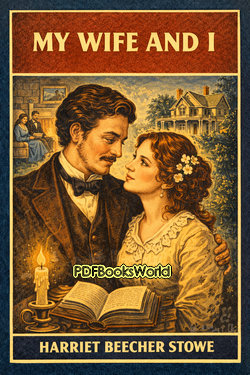
Unlike the dramatic intensity of Uncle Tom’s Cabin, My Wife and I; Or, Harry Henderson’s History reveals another side of Harriet Beecher Stowe as a writer. Here, the focus shifts toward family relationships, social customs, romance, religion, class expectations, and the complicated realities of middle-class life in nineteenth-century America.
The novel combines humor, observation, emotional warmth, and social commentary through the personal experiences of Harry Henderson and the people surrounding him.
A Story Told Through Personal Memory
The narrative unfolds as Harry Henderson reflects on his youth, relationships, ambitions, and eventual marriage. Through his perspective, readers observe changing social expectations and emotional tensions within family and community life.
Rather than relying on sensational events, the novel builds interest through conversation, personality, domestic conflict, and subtle social observation.
The result feels intimate and reflective, almost like listening to someone recount the important turning points of life.
The People Surrounding Harry Henderson
Much of the novel’s appeal comes from its varied cast of personalities representing different values and social attitudes.
- Harry Henderson, thoughtful, observant, and emotionally reflective
- Eva Van Arsdel, intelligent and emotionally sincere
- Family members and acquaintances shaped by religion, ambition, and social expectation
- Society figures representing wealth, status, and fashionable culture
These relationships create the emotional and social complexity driving the story forward.
More Than a Romance
Although marriage stands at the center of the novel, Stowe uses domestic life to explore much larger questions about society and human behavior.
The book examines:
- Class divisions and social ambition
- The role of women within family life
- Religious belief and moral responsibility
- The tension between sincerity and social performance
Stowe presents everyday domestic life as deeply connected with broader cultural and moral issues.
A Portrait of Nineteenth-Century America
The novel offers readers a detailed glimpse into middle-class American society during a period of social change. Homes, conversations, courtship customs, religious debates, and family expectations all shape the atmosphere of the narrative.
Rather than portraying grand historical events, Stowe focuses on ordinary lives and emotional relationships.
This attention to domestic detail gives the novel historical richness and realism.
Harriet Beecher Stowe’s Narrative Style
Stowe writes with warmth, humor, and strong moral awareness. Her dialogue feels lively and conversational, while her descriptions of personalities often carry gentle satire and emotional insight.
She balances social criticism with sympathy for human weakness, allowing characters to feel imperfect yet believable.
The storytelling moves steadily through emotional development instead of relying heavily on dramatic plot twists.
Why My Wife and I Still Deserves Attention
My Wife and I remains interesting because it captures the emotional and social realities of nineteenth-century domestic life with intelligence and humanity.
For readers interested in classic American fiction, family-centered novels, women’s literature, and social commentary rooted in everyday experience, Harriet Beecher Stowe’s work offers a thoughtful and richly observed portrait of marriage, morality, and society.
Similar Genres
About the Author
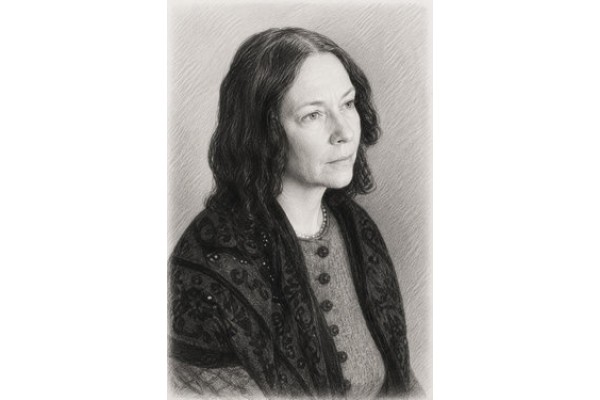
Harriet Beecher Stowe was an American novelist, abolitionist, and educator whose powerful storytelling changed the course of literary and social history. Born in Connecticut in 1811 into a family deeply committed to education and religious thought, Stowe used her writing to address issues of justice, compassion, and human dignity. Explore Harriet Beecher Stowe books to discover the author's life, literary career, and access notable works, including Uncle Tom's Cabin, Betty's Bright Idea; Deacon Pitkin's Farm, Little Foxes , and more.