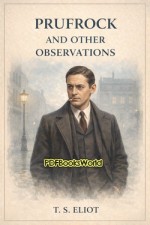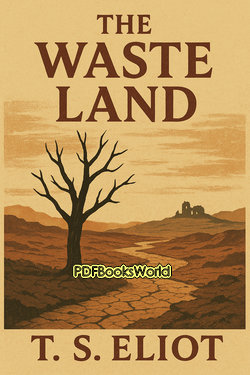
The Waste Land
by T. S. Eliot
A Groundbreaking Modernist Poem About Chaos, Isolation, and Spiritual Emptiness
The Waste Land by T. S. Eliot is one of the most influential poems of the twentieth century. First published in 1922, the poem presents a fragmented and symbolic picture of modern society after World War I. Through shifting voices, cultural references, and powerful imagery, Eliot explores themes of despair, loneliness, and the search for meaning in a broken world.
The poem became a defining work of modernist literature because of its experimental style and deep emotional complexity. Although the poem can appear difficult at first, its emotional intensity and literary innovation continue to attract readers and scholars around the world.
About the Author
T. S. Eliot was an American-born poet, critic, and playwright who later became a British citizen. He is widely regarded as one of the greatest literary figures of modern poetry. Eliot’s works often explored themes of spirituality, social change, cultural decline, and human suffering.
His writing style combined symbolism, philosophical reflection, and literary references from many cultures and historical periods. Eliot later received the Nobel Prize in Literature for his contributions to poetry and literary criticism.
Main Themes of the Poem
The Waste Land presents a world filled with emotional emptiness and spiritual confusion. The poem moves through different characters, locations, and voices, creating a fragmented picture of modern life.
Important Themes Discussed
- Spiritual emptiness and despair
- The effects of war and social collapse
- Isolation and emotional disconnection
- The search for renewal and hope
The poem reflects the uncertainty felt by many people after World War I, when traditional beliefs and social structures seemed weakened or destroyed.
The Meaning Behind the Fragmented Structure
One of the most unique features of the poem is its fragmented structure. Eliot combines different voices, languages, literary references, and historical images to represent the confusion and disorder of modern civilization.
The poem moves rapidly between scenes and ideas, forcing readers to piece together meaning from scattered details and symbols. This innovative approach became one of the defining characteristics of modernist poetry.
What Makes the Poem Unique
- Complex symbolism and imagery
- Multiple narrators and shifting perspectives
- Strong influence on modern poetry
Writing Style
Eliot’s writing style is symbolic, intellectual, and deeply emotional. He uses literary references from mythology, religion, history, and classical literature to create layers of meaning throughout the poem.
The language shifts between poetic beauty and harsh realism, reflecting the emotional instability and uncertainty of the modern world.
Historical Importance
The Waste Land became one of the most important works in modernist art and literature. Its publication marked a major turning point in English poetry and influenced countless writers, critics, and artists during the twentieth century.
Historical Features
- Reflection of post-World War I society
- Experimental modernist writing techniques
- Influence on contemporary poetry and criticism
The poem also reflected growing concerns about cultural decline, industrialization, and the loss of spiritual meaning in modern life.
Lessons for Modern Readers
Modern readers continue to connect with the poem’s themes of uncertainty, emotional isolation, and the search for meaning. Although written more than a century ago, many of its concerns about society and human connection still feel relevant today.
The poem also encourages readers to think deeply about culture, history, and the emotional effects of social change.
Conclusion
The Waste Land by T. S. Eliot remains a landmark work of modern poetry that transformed twentieth-century literature. Through its fragmented structure, symbolic imagery, and emotional depth, Eliot created a powerful portrait of a world struggling to recover from crisis and searching for renewal.
Similar Genres
About the Author
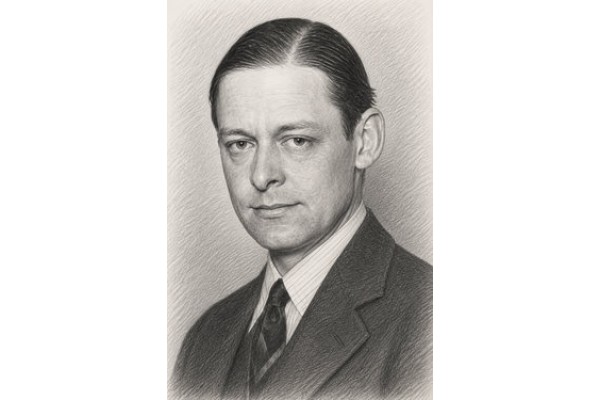
T. S. Eliot, born Thomas Stearns Eliot, was an American-born British poet, playwright, essayist, and literary critic whose groundbreaking works transformed twentieth-century literature. Born in St. Louis, Missouri, in 1888, Eliot later became a British citizen and emerged as one of the foremost voices of literary Modernism. Explore T. S. Eliot books to discover the author's life, literary career, and access notable works, including Prufrock and Other Observations , and more.