T. S. Eliot
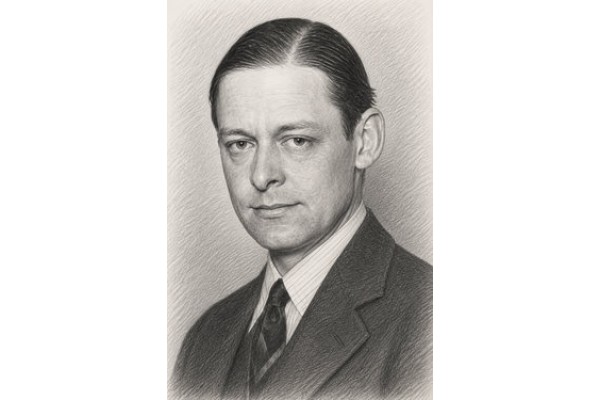
T. S. Eliot, born Thomas Stearns Eliot, was an American-born British poet, playwright, essayist, and literary critic whose groundbreaking works transformed twentieth-century literature. Born in St. Louis, Missouri, in 1888, Eliot later became a British citizen and emerged as one of the foremost voices of literary Modernism. His poetry combined classical learning, philosophical depth, and innovative techniques to explore themes of spiritual uncertainty, cultural change, memory, and the search for meaning in the modern world. Awarded the Nobel Prize in Literature in 1948, Eliot remains one of the most influential poets and critics in the English language.
Shaping Modern Poetry and Literary Thought
T. S. Eliot believed that literature should engage both the intellect and the imagination while reflecting the complexities of contemporary life. His poems blended symbolism, historical allusion, mythology, and multiple literary traditions to create richly layered works that challenged readers and redefined modern poetry. Alongside his creative writing, Eliot's essays transformed literary criticism through influential ideas about tradition, artistic expression, and the role of the poet. His remarkable combination of poetic innovation and scholarly insight continues to inspire readers, writers, and critics throughout the world.
Beyond poetry, Eliot wrote acclaimed plays and essays that explored religion, culture, morality, and the enduring value of literary tradition. His contributions established him as one of the defining intellectual figures of the twentieth century.
Essential Works
- The Waste Land is Eliot's landmark modernist poem, portraying the spiritual and cultural fragmentation of the postwar world through powerful imagery, symbolism, and literary allusion.
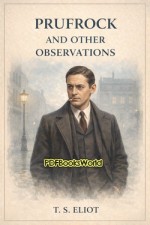
- The Love Song of J. Alfred Prufrock presents one of modern poetry's most memorable portraits of self-doubt, isolation, and the complexities of modern life.
- Four Quartets is Eliot's philosophical masterpiece, exploring time, memory, faith, and spiritual renewal through four interconnected poems.
- Ash Wednesday reflects Eliot's spiritual journey, examining faith, redemption, and hope with lyrical beauty and profound religious insight.
- Murder in the Cathedral dramatizes the martyrdom of Thomas Becket through poetic dialogue and timeless reflections on faith and conscience.
- Tradition and the Individual Talent is Eliot's influential critical essay, presenting his enduring ideas about literary tradition, creativity, and the role of the artist.
An Enduring Legacy in Modern Literature
T. S. Eliot's writings continue to shape poetry, literary criticism, and modern thought through their intellectual richness, artistic innovation, and philosophical depth. From The Waste Land and The Love Song of J. Alfred Prufrock to Four Quartets and Murder in the Cathedral, his works remain among the defining achievements of twentieth-century literature. His literary legacy continues to inspire readers seeking poetry that challenges, enlightens, and rewards careful reflection.
If you enjoy modern poetry, literary criticism, philosophical writing, and timeless explorations of culture, faith, and human experience, the works of T. S. Eliot are well worth exploring. At PDFBooksWorld, you can discover a carefully curated collection of his enduring writings and experience the brilliance of one of the greatest literary figures of the modern age.
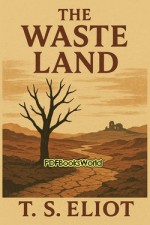
The Waste Land
T. S. Eliot