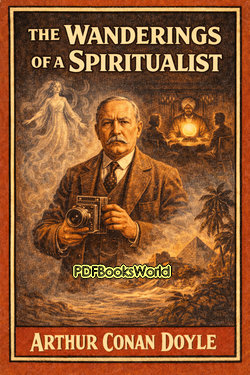
The Wanderings of a Spiritualist
by Arthur Conan Doyle
A Fascinating Journey Into Spiritual Beliefs and the Unknown
The Wanderings of a Spiritualist by Arthur Conan Doyle is a unique nonfiction work that explores the author’s deep interest in spiritualism and life beyond death. Unlike his famous detective stories, this book focuses on Doyle’s personal travels, lectures, and experiences connected to spiritual beliefs during the early twentieth century.
The book documents Doyle’s journeys across different countries as he speaks about spiritualism, psychic experiences, and communication with the dead. Through personal observations and conversations, he presents his belief that spiritualism offered hope, comfort, and evidence of an afterlife.
Whether readers agree with his ideas or not, the book provides an interesting look into a movement that attracted worldwide attention during Doyle’s lifetime.
Doyle’s Travels and Public Lectures
Throughout the book, Doyle describes his travels to many parts of the world while promoting spiritualist ideas. He visits cities, meets supporters, and speaks before large audiences interested in psychic research and supernatural subjects.
The journeys are not presented simply as travel experiences. Doyle uses them to explain why he became convinced that spiritualism was real and meaningful. He discusses séances, spirit communication, and stories shared by people who believed they had witnessed supernatural events.
The book also captures the public curiosity surrounding spiritualism after the First World War, when many families searched for comfort after losing loved ones.
Important Figures Mentioned in the Book
Key People
- Arthur Conan Doyle
The author, traveler, and speaker whose strong belief in spiritualism shapes the entire book. - Spiritualist Supporters
Doyle meets many individuals who share experiences and beliefs about psychic communication. - Public Audiences
Large groups attend Doyle’s lectures, showing the widespread interest in spiritualist ideas. - Critics and Skeptics
The book also references people who questioned or challenged spiritualist claims.
These individuals help readers understand the cultural debate surrounding spiritualism during that period.
A Personal and Reflective Writing Style
Unlike Doyle’s fictional adventures, this book feels deeply personal. He writes openly about his convictions, experiences, and hopes regarding spiritual life and human existence after death.
The tone is thoughtful and conversational rather than dramatic. Doyle often explains complicated spiritual ideas in simple language, making the book accessible to general readers.
His descriptions of travel, conversations, and public meetings also provide an interesting historical picture of the era.
Main Themes Explored Throughout the Book
Themes
- Life After Death
The book focuses heavily on the belief that human consciousness continues after physical death. - Faith and Personal Belief
Doyle explores why spiritualism became meaningful to many people during difficult times. - Curiosity About the Unknown
The work reflects humanity’s long-standing fascination with supernatural questions. - Hope and Emotional Comfort
Many spiritualist ideas discussed in the book are connected to grief, healing, and emotional support.
These themes give the book emotional depth while revealing the social atmosphere of its time.
A Surprising Side of Arthur Conan Doyle
Readers familiar only with Sherlock Holmes may be surprised by Doyle’s strong commitment to spiritualism. While Holmes represented logic and scientific reasoning, Doyle personally believed deeply in psychic phenomena and spiritual communication.
The Wanderings of a Spiritualist shows this different side of the author clearly. The book reveals not only his beliefs but also his determination to convince others through lectures and personal testimony.
This contrast between Doyle’s fictional detective and his real-life spiritual interests continues to fascinate readers and historians today.
Why the Book Still Attracts Modern Readers
Even many years after its publication, The Wanderings of a Spiritualist remains interesting because it offers insight into both Arthur Conan Doyle’s personal life and the spiritual movements of the early twentieth century.
The book appeals to readers interested in history, psychology, religion, and supernatural beliefs. It also provides a rare opportunity to see Doyle speaking directly through nonfiction rather than fiction.
For readers curious about spiritualism, historical social movements, or the lesser-known side of Arthur Conan Doyle, this book remains a thought-provoking and unusual read.
Similar Genres
About the Author

Arthur Conan Doyle occupies a unique place in literary history as the creator of Sherlock Holmes, a character whose influence extends far beyond the pages of classic fiction. Born in Edinburgh, Scotland, in 1859, Doyle trained as a physician before discovering that storytelling was his true calling. Explore Arthur Conan Doyle books to discover the author's life, literary career, and access notable works, including The Adventures of Sherlock Holmes, The Memoirs of Sherlock Holmes, The Return of Sherlock Holmes, The Hound of the Baskervilles , and more.