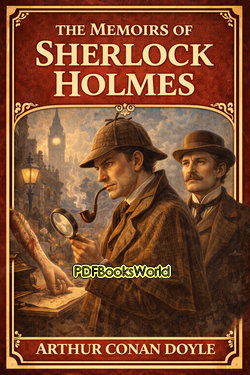
The Memoirs of Sherlock Holmes: Arthur Conan Doyle’s Classic Collection of Detective Mysteries
The Memoirs of Sherlock Holmes is one of the most celebrated collections of detective stories written by Arthur Conan Doyle. First published in 1893, the book continues the adventures of Sherlock Holmes and Dr. John Watson through a series of intriguing mysteries filled with suspense, deduction, and unexpected twists. The collection helped strengthen Sherlock Holmes’s reputation as one of literature’s most iconic fictional detectives.
More Cases From Baker Street
The collection features several memorable investigations solved by Sherlock Holmes using his remarkable powers of observation and logical reasoning. Stories such as Silver Blaze, The Musgrave Ritual, The Greek Interpreter, and The Final Problem showcase Holmes confronting unusual crimes, hidden secrets, and dangerous enemies.
Narrated mainly through the perspective of Dr. Watson, the stories allow readers to experience Holmes’s investigations gradually as clues and mysteries unfold. Watson’s admiration for Holmes also adds warmth and personality to the detective’s brilliant but often emotionally distant character.
The Brilliance of Sherlock Holmes
Sherlock Holmes became one of the defining detectives in fiction because of his intelligence, analytical thinking, and ability to notice details others completely overlook. Arthur Conan Doyle presents Holmes as calm, rational, and endlessly curious, qualities that made the character fascinating to readers around the world.
The stories also reveal more personal aspects of Holmes’s life and background, including his friendship with Watson and the introduction of his equally intelligent brother, Mycroft Holmes. These details helped deepen the character beyond his role as a detective.
Mystery, Suspense, and Victorian Atmosphere
One reason The Memoirs of Sherlock Holmes remains so enjoyable is its combination of suspenseful storytelling and vivid Victorian atmosphere. Doyle creates mysteries involving hidden motives, disguises, stolen secrets, family conflicts, and dangerous criminals while capturing the streets, clubs, and social life of nineteenth-century London.
The short-story format keeps the pacing quick and engaging, allowing readers to experience a wide variety of mysteries without the slower structure of a long novel.
The Importance of The Final Problem
One of the most famous stories in the collection is The Final Problem, which introduces Professor Moriarty, the criminal mastermind considered Holmes’s greatest enemy. Arthur Conan Doyle originally intended this story to end Sherlock Holmes’s career permanently.
The dramatic confrontation between Holmes and Moriarty became one of the most legendary moments in detective fiction and shocked readers at the time of publication.
The Collection’s Influence on Detective Fiction
The impact of The Memoirs of Sherlock Holmes can still be seen in modern crime novels, television dramas, films, and mystery series. Doyle’s use of deduction, hidden clues, and intelligent investigation helped establish many of the storytelling techniques later associated with detective fiction.
Sherlock Holmes himself became a cultural icon whose influence extends far beyond literature, inspiring countless adaptations and reinterpretations across generations.
Final Thoughts
The Memoirs of Sherlock Holmes remains an essential collection for readers interested in classic detective fiction and literary mystery. Through clever investigations, memorable characters, and suspenseful storytelling, Arthur Conan Doyle created stories that continue to entertain readers more than a century after their publication.
For fans of crime fiction, Victorian literature, and intelligent mysteries filled with deduction and suspense, this collection remains a timeless and rewarding reading experience.