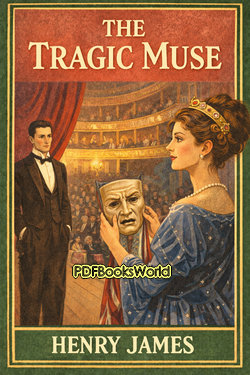
The Tragic Muse
by Henry James
Art, Ambition, and Society Collide in Henry James’s Rich Artistic Drama
The Tragic Muse by Henry James is a sophisticated novel about creativity, personal ambition, social expectation, and the sacrifices connected to artistic life. Through painters, actors, politicians, and social figures, Henry James explores the tension between public duty and private passion.
The novel examines how artistic talent can both inspire and complicate personal relationships. James carefully portrays characters who must choose between conventional success and the uncertain path of creative expression.
The result is a thoughtful and emotionally layered story filled with psychological insight, social observation, and artistic atmosphere.
Characters Torn Between Art and Responsibility
The story follows several interconnected characters whose lives become shaped by ambition and artistic desire. Nick Dormer, born into a political family, struggles between the expectations of public life and his passion for painting.
At the same time, Miriam Rooth, a talented and ambitious actress, works tirelessly to build a theatrical career despite criticism and social pressure. Their personal and artistic journeys unfold alongside romantic relationships, family expectations, and social ambition.
James carefully shows how creativity can influence every part of a person’s emotional life.
Important Characters in the Novel
Characters
- Nick Dormer
A young man divided between political responsibility and artistic ambition. - Miriam Rooth
A passionate and determined actress seeking recognition and artistic success. - Julia Dallow
A socially intelligent woman connected to the emotional and artistic tensions surrounding Nick. - Peter Sherringham
A diplomat fascinated by theater, performance, and Miriam’s unusual talent.
The emotional and artistic relationships between these characters create much of the novel’s psychological complexity.
A Detailed and Artistic Writing Style
Henry James combines social realism with artistic reflection throughout The Tragic Muse. The novel contains detailed discussions of painting, acting, performance, and creative discipline.
James carefully portrays both the glamour and difficulty of artistic life. Conversations often reveal emotional insecurity, ambition, admiration, and hidden jealousy beneath polite social behavior.
The reflective prose gives the novel intellectual depth while maintaining emotional realism.
Main Themes Explored Throughout the Story
Themes
- Art Versus Social Duty
Characters struggle between creative passion and public expectation. - Ambition and Personal Sacrifice
The pursuit of artistic success creates emotional and social conflict. - Performance and Identity
The novel explores how people present themselves both onstage and in society. - Love, Admiration, and Jealousy
Relationships become complicated by artistic competition and emotional insecurity.
These themes help make the novel psychologically rich and socially observant.
One of Henry James’s Most Artistic Novels
The Tragic Muse stands out because of its deep focus on creativity and artistic life. Henry James examines not only artistic talent itself, but also the emotional pressures and sacrifices surrounding ambition and success.
The novel also demonstrates James’s remarkable ability to portray emotional complexity within social environments. Artistic discussions become closely connected to identity, desire, and personal freedom.
The story’s exploration of performance and creativity continues to fascinate readers interested in literature and the arts.
Why the Novel Still Resonates Today
Even today, The Tragic Muse remains relevant because its themes continue to feel modern. Readers still connect with stories about balancing career ambition, creative passion, relationships, and public expectation.
The novel also feels contemporary in its psychological realism and nuanced portrayal of artistic life. James explores insecurity, ambition, and emotional vulnerability with remarkable intelligence.
For readers interested in literary classics, artistic fiction, and psychologically complex storytelling, this novel remains elegant, thoughtful, and rewarding.
Similar Genres
About the Author
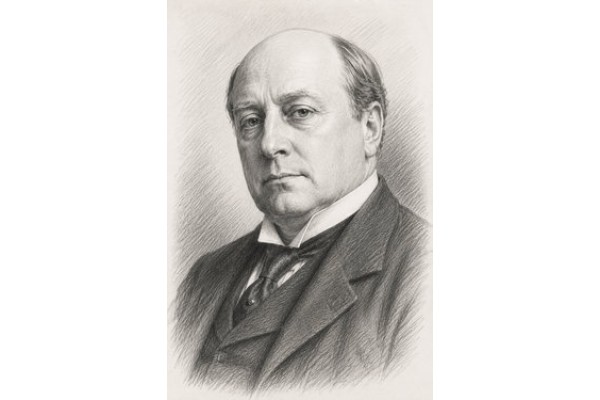
Henry James was one of the most influential novelists of the late nineteenth and early twentieth centuries, renowned for bringing exceptional psychological depth to fiction. Born in New York in 1843, he later settled in Europe, where his experiences shaped a distinctive literary voice that blended American perspectives with European culture. Explore Henry James books to discover the author's life, literary career, and access notable works, including Daisy Miller - A Study, The Turn of the Screw, The Point of View, The Pension Beaurepas , and more.