
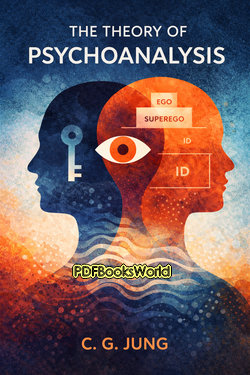
The Theory of Psychoanalysis
by C. G. Jung
Jung's Interpretation of the Human Mind
The Theory of Psychoanalysis by C. G. Jung is a foundational work in the history of psychology that presents Jung's understanding of the unconscious mind and its influence on human behavior. Based on lectures delivered during the early twentieth century, the book explains key psychoanalytic concepts while also revealing the beginnings of Jung's intellectual departure from some of the ideas associated with Sigmund Freud.
Written during a period when psychology was rapidly evolving as a scientific and clinical discipline, the work introduces readers to theories concerning dreams, emotions, memory, mental conflict, and the hidden forces that shape conscious experience. Jung's goal is not merely to describe psychological symptoms but to explore the deeper structures of the human personality.
The book remains an important milestone in the development of modern psychological thought.
The Unconscious Mind
At the center of Jung's discussion is the concept of the unconscious. He argues that much of human behavior is influenced by mental processes that operate outside conscious awareness. Thoughts, memories, emotions, and desires may continue to affect individuals even when they are not actively recognized.
According to Jung, understanding these hidden influences is essential for understanding personality and emotional life. Symptoms, dreams, and patterns of behavior often provide clues to unconscious processes that might otherwise remain concealed.
This emphasis on the unconscious became one of the defining features of psychoanalytic theory.
The Importance of Psychological Conflict
Jung explores the idea that emotional difficulties frequently arise from conflicts within the mind. Individuals may experience tension between conscious goals and unconscious motivations, leading to anxiety, confusion, or other psychological challenges.
Rather than viewing symptoms as isolated problems, Jung interprets them as meaningful expressions of deeper issues. By examining these conflicts, psychologists can gain insight into the underlying causes of emotional distress.
This perspective helped shift attention toward understanding the psychological significance of symptoms rather than merely suppressing them.
Dreams and Symbolic Meaning
Dreams occupy a prominent place in Jung's theory. He argues that dreams are not random mental events but meaningful expressions of unconscious activity. Through symbols, images, and narratives, dreams reveal aspects of the personality that may not be fully recognized during waking life.
Jung believed that dream analysis could contribute to psychological understanding by helping individuals explore:
- Hidden emotions and conflicts.
- Personal memories and experiences.
- Unconscious motivations.
- Psychological patterns influencing behavior.
This approach would later become one of the most widely recognized aspects of analytical psychology.
Jung's Emerging Independence
Although the book is rooted in psychoanalytic thought, it also illustrates Jung's growing intellectual independence. While he initially worked closely with Freud, he gradually developed ideas that differed from traditional psychoanalysis.
Jung placed greater emphasis on symbolism, creativity, cultural influences, and the broader development of personality. These interests would eventually lead to the creation of analytical psychology, a distinct school of psychological thought.
The Theory of Psychoanalysis therefore occupies an important place in understanding the evolution of Jung's ideas.
The Scientific and Cultural Context
The work reflects a time when psychologists were attempting to understand the complexities of the human mind through new theoretical frameworks. Questions about memory, emotion, dreams, and mental illness attracted considerable attention, and psychoanalysis emerged as one of the most influential approaches.
Jung's contribution was significant because he expanded the discussion beyond clinical symptoms to include broader questions about personality, meaning, and human development.
His ideas would later influence psychology, literature, religious studies, anthropology, and cultural criticism.
Lasting Influence
The impact of Jung's thought extends far beyond the field of psychotherapy. His emphasis on symbolism, personal growth, and the exploration of unconscious processes has inspired scholars, writers, educators, and artists for generations.
While many aspects of early psychoanalytic theory remain subjects of debate, Jung's insights continue to encourage reflection on the complexity of human experience and the hidden dimensions of personality.
The book remains valuable as both a historical document and an introduction to one of the most influential thinkers in modern psychology.
Final Thoughts
The Theory of Psychoanalysis by C. G. Jung is a significant exploration of the unconscious mind, psychological conflict, and the role of dreams in understanding human behavior. Combining clinical observation with philosophical inquiry, Jung presents a vision of psychology that seeks to uncover the deeper forces shaping thought, emotion, and personality.
For readers interested in psychology, intellectual history, dream interpretation, and the development of modern theories of the mind, this work remains an essential and thought-provoking study.
Similar Genres
About the Author
C. G. Jung was a Swiss psychiatrist, psychologist, and author whose groundbreaking ideas transformed the study of the human mind. As the founder of analytical psychology, Jung explored dreams, symbols, mythology, personality, and the unconscious, introducing concepts that continue to influence psychology, literature, religion, and the arts. Explore C. G. Jung books to discover the author's life, literary career, and access notable works.