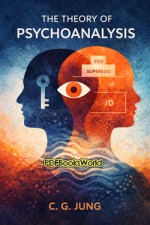
C. G. Jung
C. G. Jung was a Swiss psychiatrist, psychologist, and author whose groundbreaking ideas transformed the study of the human mind. As the founder of analytical psychology, Jung explored dreams, symbols, mythology, personality, and the unconscious, introducing concepts that continue to influence psychology, literature, religion, and the arts. His work encouraged people to view psychological growth as a lifelong journey of self-discovery, helping shape modern understanding of personality and human behavior.
Developing a New Approach to Psychology
Carl Gustav Jung began his career as a physician specializing in psychiatry. Early in his professional life, he worked with patients suffering from mental illness and became deeply interested in understanding the hidden processes of the human mind. His research eventually led him to develop theories that differed from many of the prevailing psychological ideas of his time, resulting in the creation of analytical psychology.
Jung believed that the unconscious mind played a vital role in shaping thoughts, emotions, and behavior. He also argued that personal experiences were connected to universal patterns shared by all humanity, which he described through the concept of the collective unconscious.
Exploring Symbols, Dreams, and Personality
One of Jung's greatest contributions was his study of dreams and symbolic imagery. He believed that dreams offered valuable insight into the unconscious mind and could help individuals better understand themselves. His writings examined myths, religions, folklore, and ancient traditions, showing how recurring symbols appear across different cultures and historical periods.
Jung also introduced influential ideas about personality, including psychological types that later inspired widely used personality assessments. His work encouraged people to appreciate both the conscious and unconscious aspects of their lives as essential parts of personal development.
Popular Works
- The Theory of Psychoanalysis – A series of lectures explaining Jung's evolving views on psychoanalysis and the foundations of analytical psychology.
- Psychological Types – A landmark work introducing Jung's theory of personality types and psychological attitudes.
- Modern Man in Search of a Soul – Essays exploring psychology, spirituality, dreams, and the search for meaning.
- The Archetypes and the Collective Unconscious – A detailed examination of universal symbolic patterns found in myths, dreams, and human culture.
- Memories, Dreams, Reflections – An autobiographical work offering insight into Jung's life, ideas, and intellectual development.
Writing That Bridged Science and Philosophy
Jung wrote with remarkable depth while striving to make complex psychological concepts understandable. His books combined clinical observation with discussions of history, religion, mythology, anthropology, and philosophy. Rather than viewing psychology as an isolated discipline, he believed it could be enriched by studying humanity's cultural and spiritual traditions.
His thoughtful and reflective style invited readers to consider not only scientific evidence but also the symbolic and emotional dimensions of human experience. This interdisciplinary approach remains one of the defining features of his work.
Influence Beyond Psychology
Jung's ideas have influenced fields far beyond psychiatry, including literature, education, philosophy, religious studies, art, and cultural analysis. Writers, filmmakers, scholars, and therapists continue to draw upon his concepts of archetypes, individuation, and the collective unconscious. Although some aspects of his theories remain subjects of scholarly debate, his impact on modern thought is undeniable.
His work also encouraged greater appreciation for personal growth and self-understanding, inspiring generations of readers to explore the deeper aspects of the human mind.
An Enduring Legacy
C. G. Jung is remembered as one of the most influential thinkers in the history of psychology. His innovative ideas expanded the understanding of personality, dreams, symbolism, and the unconscious, leaving a lasting mark on both psychology and the humanities. While The Theory of Psychoanalysis remains one of his important early works, it represents only part of a remarkable body of writing that continues to shape discussions of the mind, human nature, and the search for meaning.
Readers exploring classic works on psychology and human behavior at PDF Books World can discover C. G. Jung's writings and gain deeper insight into one of the most original and influential psychological thinkers of the modern era.