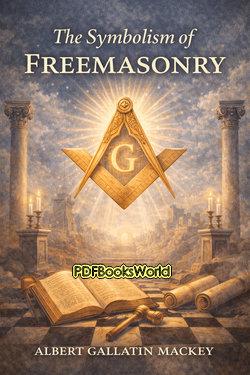
The Symbolism of Freemasonry
by Albert Gallatin Mackey
The Symbolism of Freemasonry and the Hidden Meaning Behind Masonic Traditions
Symbols have always played an important role in philosophy, religion, and cultural traditions. In The Symbolism of Freemasonry, Albert G. Mackey examines the symbolic language, rituals, and philosophical ideas connected to Freemasonry. The book explores how symbols are used to communicate moral lessons, spiritual ideas, and historical traditions within one of the world’s most discussed fraternal organizations.
Rather than focusing only on ceremonies or secrecy, the work emphasizes the intellectual and symbolic meanings behind Masonic practices and teachings.
The Role of Symbolism in Freemasonry
Masonic traditions make extensive use of symbols drawn from architecture, geometry, religion, and ancient history. Mackey explains how these symbols are intended to encourage personal reflection, ethical behavior, and spiritual development.
Many of the images and rituals discussed in the book are connected to broader philosophical ideas about knowledge, morality, and human improvement.
Important Topics Explored in the Book
- The symbolic meaning of Masonic rituals
- Historical origins of Freemasonry
- The use of architecture and geometry in symbolism
- Moral and philosophical teachings
- The relationship between tradition and symbolism
Why Symbolic Traditions Fascinate Readers
Readers are often drawn to symbolic systems because symbols can communicate complex ideas in memorable and imaginative ways. Freemasonry, in particular, has long attracted curiosity because of its rituals, historical influence, and layered meanings.
Mackey’s writing attempts to explain these ideas clearly, making the symbolic structure of Freemasonry more understandable to general readers.
Major Themes Found Throughout the Work
- The search for moral and personal improvement
- The importance of tradition and ritual
- The connection between symbols and knowledge
- Philosophical reflection through allegory
- The historical evolution of symbolic systems
The Historical Influence of Freemasonry
Freemasonry has played a visible role in social, political, and cultural history for centuries. Throughout different historical periods, Masonic organizations attracted scholars, political leaders, artists, and intellectuals interested in fraternity, philosophy, and symbolic teaching.
Books like Mackey’s helped preserve and explain the symbolic traditions associated with the organization during the nineteenth century.
Readers interested in symbolic traditions and fraternal history often explore the historical development of Freemasonry to better understand its origins, structure, and cultural influence.
Why the Book Continues to Attract Interest
Modern readers still explore The Symbolism of Freemasonry because of continuing curiosity about symbolism, secret societies, ritual traditions, and philosophical systems. The book appeals to readers interested in history, comparative religion, symbolism, and cultural studies.
Its detailed explanations also make it valuable for readers attempting to understand the historical meanings behind Masonic imagery and ceremonies.
Reasons the Book Remains Relevant
- Detailed exploration of symbolic interpretation
- Historical insight into Masonic traditions
- Connection between philosophy and ritual
- Appeals to readers interested in hidden meanings
- Influential in studies of symbolism and fraternal history
The Lasting Influence of Symbolic Literature
Books focused on symbolism continue attracting readers because symbols remain central to religion, literature, philosophy, and cultural identity. They offer ways of expressing ideas that go beyond literal language and encourage deeper interpretation.
Mackey’s work remains part of that tradition by examining how symbols can shape moral and intellectual understanding.
Final Thoughts
The Symbolism of Freemasonry remains one of the most widely recognized studies of Masonic symbolism and philosophy. Through historical explanation and symbolic interpretation, Albert G. Mackey created a work that continues to interest readers fascinated by ritual, meaning, and intellectual tradition. Its enduring influence ensures its place among the important texts on symbolism and cultural history.
Similar Genres
About the Author
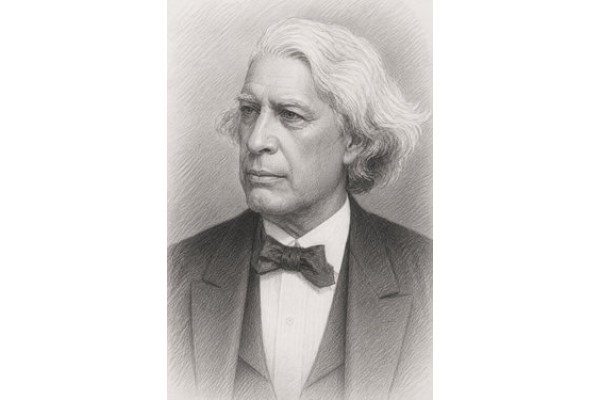
Albert Gallatin Mackey was an American physician, historian, author, and one of the most influential scholars of Freemasonry in the nineteenth century. Born in Charleston, South Carolina, in 1807, Mackey devoted much of his life to researching the history, symbolism, philosophy, and legal traditions of the Masonic fraternity. Explore Albert Gallatin Mackey books to discover the author's life, literary career, and access notable works, including The Principles of Masonic Law , and more.