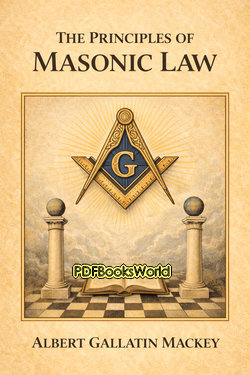
The Principles of Masonic Law
by Albert Gallatin Mackey
Tradition, Rules, and Symbolic Order in The Principles of Masonic Law
The Principles of Masonic Law explores the legal structure, customs, and governing principles connected to Freemasonry. Written as a guide to Masonic organization and tradition, the book explains how Masonic laws, rules, and procedures developed within lodges and larger Masonic institutions.
Blending historical explanation with organizational detail, the work offers readers insight into one of the world’s oldest fraternal traditions.
Understanding Masonic Law
Masonic law refers to the rules, traditions, and governing systems used within Freemasonry to maintain order and structure among its members and lodges.
The book explains how these principles help regulate:
- Lodge operations
- Membership responsibilities
- Ceremonial practices
- Leadership authority
- Dispute resolution
These systems were designed to preserve consistency, tradition, and ethical conduct within Masonic organizations.
The Structure of Freemasonry
The book provides information about how Masonic organizations are arranged and governed.
Readers learn about:
Local lodges, grand lodges, leadership roles, membership procedures, voting systems, and the relationship between different Masonic bodies.
This structure allowed Freemasonry to expand internationally while maintaining shared traditions and practices.
Major Themes in the Book
Order and Discipline appear throughout the work as essential elements of Masonic organization and governance.
Tradition and Continuity also play major roles, with many rules based on customs passed down through generations.
Ethics and Responsibility are emphasized as important expectations for Masonic members and leaders.
Symbolism and Ritual remain connected to many of the laws and ceremonial procedures discussed in the book.
The Historical Importance of Freemasonry
Freemasonry became highly influential in many parts of the world, especially during the 18th and 19th centuries.
Masonic organizations often attracted:
- Political leaders
- Business figures
- Writers and intellectuals
- Community leaders
The book reflects the importance placed on structure, governance, and moral conduct within these organizations.
The Educational Style of the Book
The Principles of Masonic Law is written in a formal and instructional style intended to explain organizational principles clearly and systematically.
The writing focuses on:
- Definitions and procedures
- Organizational structure
- Historical background
- Legal interpretation within Masonry
The tone is educational rather than dramatic, making the book more informative than narrative.
Why the Book Still Interests Readers
Modern readers continue to explore works about Freemasonry because of the organization’s long history, symbolism, and cultural influence.
The book remains useful for readers interested in:
Fraternal organizations, historical societies, ceremonial traditions, organizational systems, and the history of Freemasonry.
It also provides insight into how large voluntary organizations maintained order and identity over long periods of time.
The Broader Influence of Masonic Ideas
Freemasonry influenced social, political, and cultural history in many countries. Ideas connected to fraternity, moral conduct, education, and civic responsibility became closely associated with Masonic traditions.
The book reflects how important organization and shared principles were to maintaining that influence.
Who Should Read This Book?
The Principles of Masonic Law is especially suited for readers interested in:
Freemasonry, organizational history, fraternal societies, ceremonial traditions, legal systems within organizations, and historical social movements.
Readers curious about the structure and traditions of Masonic institutions may find the book especially informative.
Final Thoughts
The Principles of Masonic Law provides a detailed look at the organizational rules, traditions, and governing principles behind Freemasonry.
Through explanations of structure, ethics, and ceremonial practice, the book offers valuable insight into the operation and historical significance of one of the world’s best-known fraternal organizations.
Similar Genres
About the Author
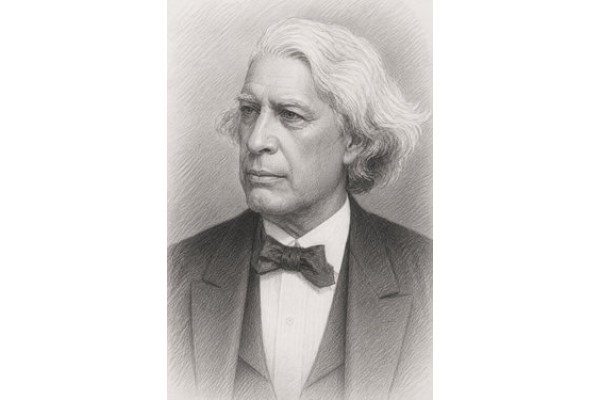
Albert Gallatin Mackey was an American physician, historian, author, and one of the most influential scholars of Freemasonry in the nineteenth century. Born in Charleston, South Carolina, in 1807, Mackey devoted much of his life to researching the history, symbolism, philosophy, and legal traditions of the Masonic fraternity. Explore Albert Gallatin Mackey books to discover the author's life, literary career, and access notable works, including The Symbolism of Freemasonry , and more.