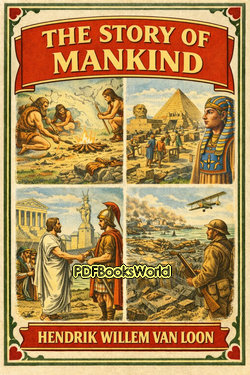
The Story of Mankind
by Hendrik Willem van Loon
The Story of Mankind: A Journey Through Human History
Human history is filled with invention, exploration, conflict, discovery, and cultural change. The Story of Mankind presents the long journey of civilization in a way that is both educational and engaging for readers of all ages. Written by Hendrik Willem van Loon, the book explains world history through storytelling instead of complicated academic language, making historical events easier to understand and remember.
Rather than focusing only on kings, battles, and dates, the book explores how ordinary people, ideas, discoveries, and societies helped shape the modern world.
What Makes the Book Different?
Many history books divide information into timelines and isolated events. The Story of Mankind connects historical developments together so readers can see how one civilization influenced another over time.
The book explains history as an ongoing human story rather than a collection of disconnected facts.
Main Features of the Book
- Easy-to-read storytelling style
- Broad overview of world civilizations
- Explanations of cultural and scientific progress
- Historical context for major events
- Focus on human development and ideas
Early Civilizations and Human Progress
The book begins with ancient societies and explores how humans gradually built organized communities, governments, trade systems, and cultures.
The Foundations of Civilization
Readers learn about:
- The rise of farming communities
- The creation of early cities
- The development of written language
- The growth of trade and transportation
- The emergence of laws and governments
These developments became the foundation for future civilizations across the world.
How Ideas Changed the World
One of the book’s strongest themes is the importance of ideas in shaping human history. Scientific discoveries, philosophies, inventions, and political movements often changed societies more than military power alone.
| Historical Force | Effect on Civilization |
|---|---|
| Writing | Preserved knowledge across generations |
| Trade | Connected cultures and economies |
| Science | Expanded understanding of the world |
| Exploration | Introduced new lands and resources |
| Education | Spread knowledge and innovation |
The book encourages readers to see history as a process of continuous learning and change.
A Human-Centered View of History
Unlike some traditional history books that focus only on rulers and wars, this work also examines how ordinary people lived and adapted throughout different periods.
Daily Life Across History
Readers discover how people:
- Built homes and cities
- Created tools and inventions
- Practiced religion and traditions
- Traveled and traded goods
- Responded to social and political change
This broader perspective makes world history feel more personal and relatable.
Why the Book Remains Popular
Although originally written many years ago, the book continues to attract readers because of its accessible writing style and wide historical scope.
The book transforms complex world history into a readable narrative filled with curiosity and discovery.
Suitable for Many Types of Readers
The book can appeal to:
- Students learning world history
- Readers exploring historical topics for the first time
- Families interested in educational reading
- History enthusiasts seeking broad overviews
- Homeschool programs and classrooms
Educational Lessons Found Throughout the Book
The author repeatedly highlights important ideas about human society and civilization.
Important Takeaways
- Human knowledge grows slowly over time
- Cultures influence one another constantly
- Innovation changes civilizations
- Conflict and cooperation both shape history
- Curiosity drives exploration and progress
These themes continue to remain meaningful in modern education and global understanding.
Why World History Still Matters Today
Understanding history helps readers better understand modern politics, cultures, technology, and social systems. Many current ideas and institutions developed from historical events discussed throughout the book.
Studying the past also encourages critical thinking about leadership, human behavior, scientific progress, and cultural development.
Final Thoughts
The Story of Mankind by Hendrik Willem van Loon remains one of the most approachable introductions to world history ever written. By combining storytelling with education, the book helps readers understand how civilizations developed and how human ideas transformed the world over centuries.
For readers interested in history, culture, exploration, and human progress, the book continues to offer a thoughtful and engaging overview of humanity’s long and complex journey.
Similar Genres
About the Author
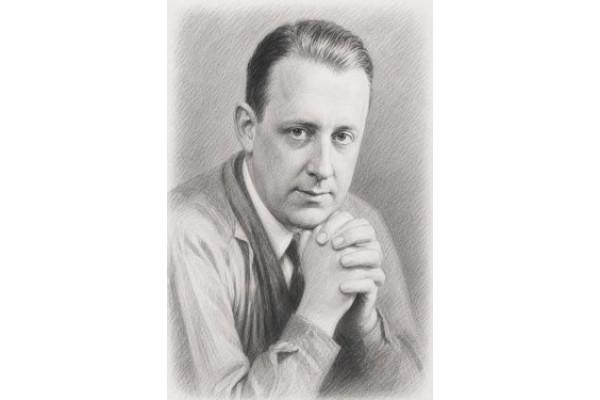
Hendrik Willem van Loon was a Dutch-American historian, journalist, illustrator, and author whose engaging books introduced generations of readers to world history, geography, science, and culture. Born in Rotterdam in 1882, van Loon emigrated to the United States, where he became one of the twentieth century's most popular writers of educational literature. Explore Hendrik Willem van Loon books to discover the author's life, literary career, and access notable works, including Ancient Man - The Beginning of Civilizations , and more.